
A diesel particulate filter that keeps clogging is more than an irritating dashboard light. It can trigger repeated regenerations, reduced power, extra fuel use and an expensive roadside shutdown.
Why does one truck run smoothly while another asks for a regen every few days? The filter may not be the real problem.
EPA guidance says a properly operating DPF can cut particulate emissions by more than 85%, but it must regenerate and maintain acceptable exhaust flow. This guide explains the most common causes, the correct diagnostic order and practical heavy-truck DPF repair options that reduce the chance of another breakdown.
Here’s What’s Inside
- Why soot and ash require different repairs
- How duty cycle, engine faults and sensors create repeat clogging
- What diagnostic readings matter before parts are replaced
- When to use parked regeneration, cleaning or DPF replacement
- How drivers and fleets can prevent frequent DPF regeneration
Why a Heavy-Truck DPF Keeps Clogging
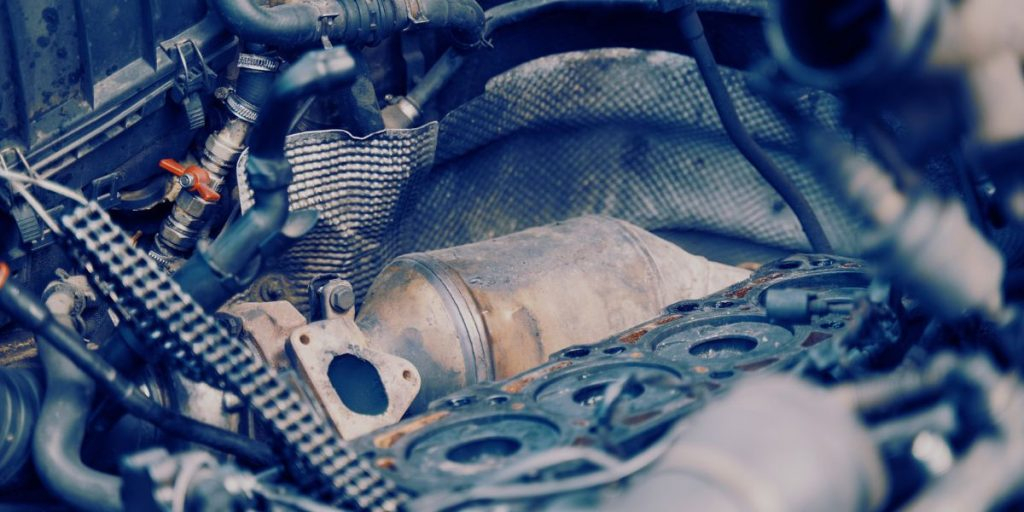
A DPF traps particulate matter while exhaust passes through porous filter walls. As soot accumulates, backpressure rises. Regeneration heats the filter and oxidizes much of that soot, but noncombustible ash from lubricating oil and fuel additives remains.
Ash gradually restricts exhaust flow and eventually requires physical cleaning.
Key distinction: Regeneration removes combustible soot. It cannot empty a filter that is physically loaded with noncombustible ash.
Here’s the thing: a clogged filter is often the result of another problem. Excessive soot production, inadequate exhaust temperature or incorrect sensor data can make a cleaned DPF clog again.
When a derated truck is stranded away from its normal shop, a service locator such as My Truck Broke Down can help drivers search for nearby heavy-truck services instead of calling local businesses at random.
Low-Speed Duty Cycles and Interrupted Regeneration
Heavy trucks that idle for long periods, operate at low speed or work under light load may not generate enough sustained exhaust heat for passive regeneration. Stop-and-go delivery vehicles, buses, refuse trucks and stationary PTO applications are especially vulnerable.
Manufacturer service information identifies extended idling and low-speed operation as contributors to soot buildup.
Watch for these patterns:
- High idle hours compared with road mileage
- Drivers repeatedly postponing or inhibiting regeneration
- Short routes ending before an active regen finishes
- PTO operation below the required engine speed
A parked regen can also stop when operating conditions change, such as releasing the parking brake or putting the truck into gear.
The good news? Duty-cycle problems can often be reduced through driver training, route planning and scheduled regeneration performed exactly as the engine manufacturer directs.
Engine and Sensor Faults That Refill the DPF
When the diesel particulate filter keeps clogging soon after service, look upstream.
Official truck service material lists intake or exhaust leaks, low boost, turbocharger problems, actuator faults and fuel-system issues among the causes of excessive soot or unsuccessful regeneration. Manufacturer bulletins also connect frequent-regeneration complaints with injector faults, EGR problems, exhaust-temperature faults and control-software issues.
Practical checks include:
- Charge-air hoses, clamps, manifolds and exhaust joints
- Turbo boost response and actuator movement
- Injector balance, misfire data and aftertreatment fuel dosing
- EGR operation, airflow readings and exhaust temperatures
- Differential-pressure tubes, wiring and sensor plausibility
Do not replace the DPF before these systems are tested. A new or freshly cleaned filter can clog quickly if the engine remains over-fueled, under-boosted or unable to calculate soot load correctly.
Diagnose Before Choosing the Repair
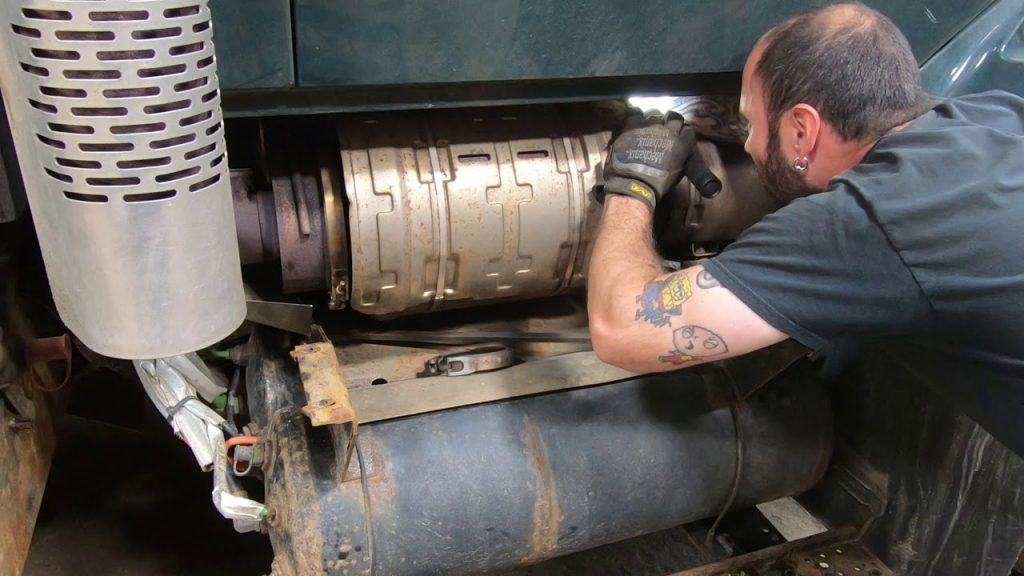
A reliable semi-truck DPF diagnosis combines fault codes, live data and service history. OEM diagnostic systems can show soot level, regeneration status, DPF-lamp state, derate status and conditions preventing regeneration.
| Finding | Likely direction | Next check |
| High soot with normal ash history | Incomplete regeneration | Regen conditions, temperatures and active faults |
| High restriction after a completed regen | Ash loading or physical blockage | Off-truck inspection and approved cleaning |
| Frequent regens after recent cleaning | Excess soot or incorrect data | Airflow, boost, injectors, EGR and sensors |
| Temperature does not rise during regen | Dosing, airflow or sensor fault | OEM test plan and temperature comparison |
Save freeze-frame data before clearing codes. Compare differential pressure before, during and after regeneration, and check whether inlet and outlet temperature readings rise logically.
Volvo also warns that calculated soot values should not be reset unless the filter has actually been serviced or replaced.
Parked Regeneration Is Useful, but Not a Cure-All
A parked regeneration is appropriate when the truck requests it, the filter is soot-loaded rather than ash-loaded and no active fault blocks the process.
Follow the operator-manual procedure, park outside, direct the exhaust away from people and combustible materials, and remain with the vehicle. Detroit guidance says a parked regen may take 30 to 45 minutes and can raise tailpipe temperature above 525°C, or 977°F.
Did you know? A regen that finishes normally does not prove the entire aftertreatment system is healthy. Confirm that differential pressure falls, warning lamps clear and the next regen interval returns to normal.
Do not keep forcing regens after repeated failures. If derate remains, a stop-engine warning appears or a second attempt fails, move to fault-guided diagnosis. Heat cannot remove ash or repair a cracked substrate, oil contamination or a defective sensor.
Professional DPF Cleaning or Replacement
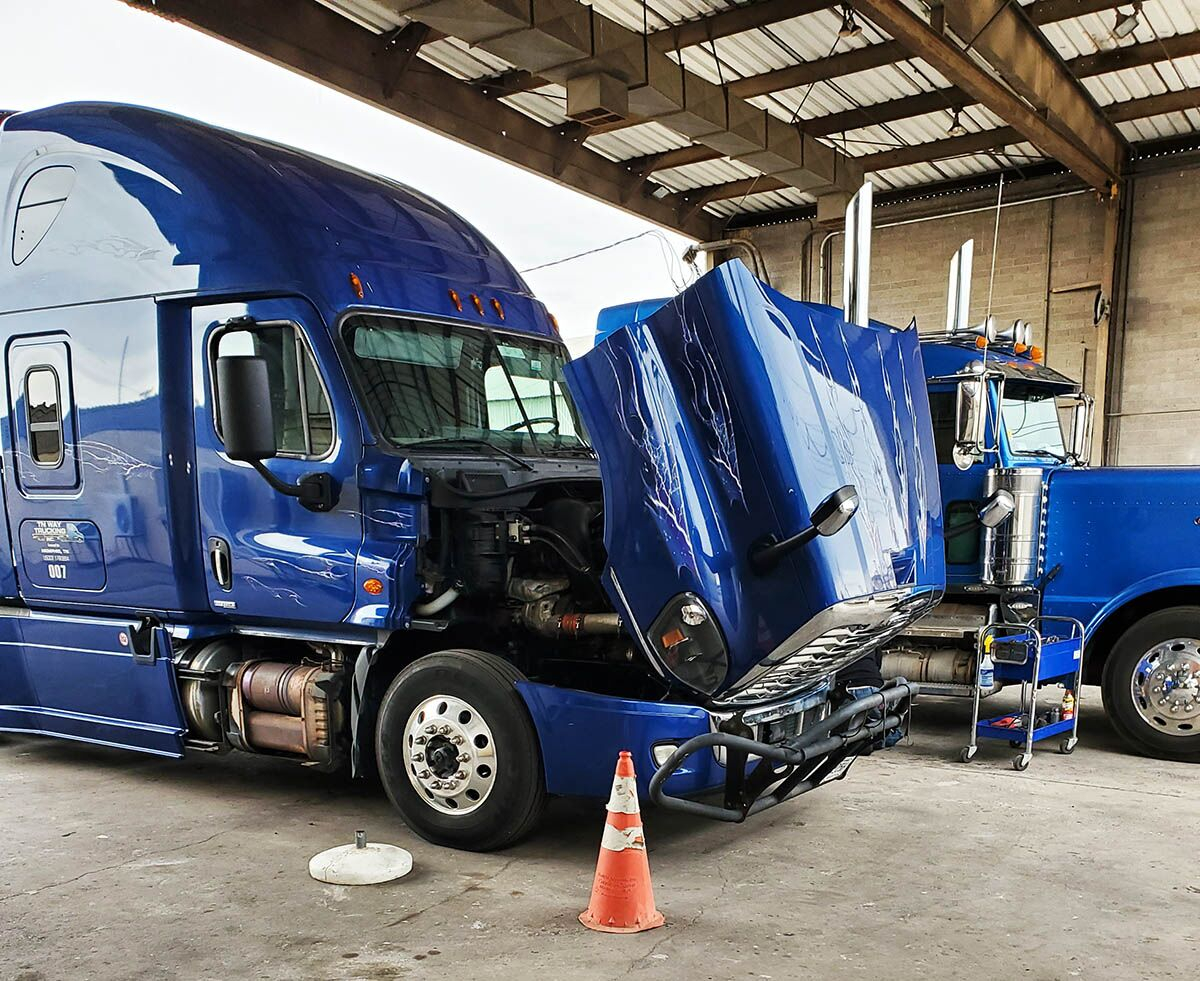
Professional diesel particulate filter cleaning is usually appropriate when ash loading is high but the ceramic substrate remains structurally sound.
EPA guidance describes off-truck cleaning that may combine controlled heating, compressed air and vacuum capture. The filter is removed, cleaned with suitable equipment, inspected and reinstalled in the correct flow direction.
Replacement is more sensible when the substrate is cracked, melted, missing, heavily contaminated or still exceeds restriction limits after approved cleaning. Compare:
- Pre-cleaning and post-cleaning pressure results
- Evidence of oil, fuel or coolant contamination
- Filter mileage, engine hours and previous cleanings
- OEM reuse criteria and warranty requirements
- Downtime cost versus a verified exchange unit
Never choose cleaning based only on price. First repair the turbo, injector, EGR, airflow or dosing fault that caused the contamination. Manufacturer guidance shows that oil, fuel and coolant contamination require inspection before a filter returns to service.
Prevent Frequent DPF Regeneration
Prevention starts by matching maintenance to the truck’s real duty cycle. A highway tractor and a low-speed vocational truck should not have identical regeneration expectations.
Track regen frequency by engine hours, idle percentage, route type and load. A sudden change from the truck’s normal pattern deserves investigation before a derate occurs.
Build a simple routine:
- Teach drivers what solid, flashing and combined warning lamps require
- Avoid unnecessary use of the regen-inhibit switch
- Schedule parked regens for consistently low-load applications
- Inspect aftertreatment hardware during regular service
- Use the specified low-ash engine oil and monitor oil consumption
- Record cleaning dates, mileage, hours, filter IDs and related faults
Detroit maintenance tables show that ash-cleaning intervals vary significantly by engine generation, so the exact operator manual should control the schedule. Proper records can also support warranty decisions and reveal abnormally short cleaning intervals.
Frequently Asked Questions
Fix the Cause Before the Next Load
When a diesel particulate filter keeps clogging, resist the urge to begin with the most expensive part. Start with two manageable actions: pull the complete fault-code and live-data report, then review the truck’s recent duty cycle and regeneration history.
Those steps usually separate soot loading, ash buildup, poor operating conditions and upstream engine faults.
The correct repair may be a safe parked regen, professional cleaning or replacement combined with engine work. Fixing the cause protects the new or cleaned filter, reduces repeat downtime and gives the truck a better chance of completing the next load without another warning lamp.
