
An old car with a broken transmission may no longer be worth repairing, but its headlights, mirrors, wheels, doors, and interior parts could still be worth selling. Even cars damaged in accidents can have plenty of usable components that other drivers need.
You do not need to own a junkyard to make money selling used car parts. If you have an old vehicle sitting in your driveway, you can start by removing a few parts and selling them locally or online. Another option is buying damaged cars cheaply, taking out the parts worth keeping, and selling the rest for scrap.
The key is finding parts people actually want and knowing how much they will pay. A $100 sale is not much use if you spend $80 buying, removing, and shipping the part.
Start With a Car You Already Own or Can Buy Cheaply
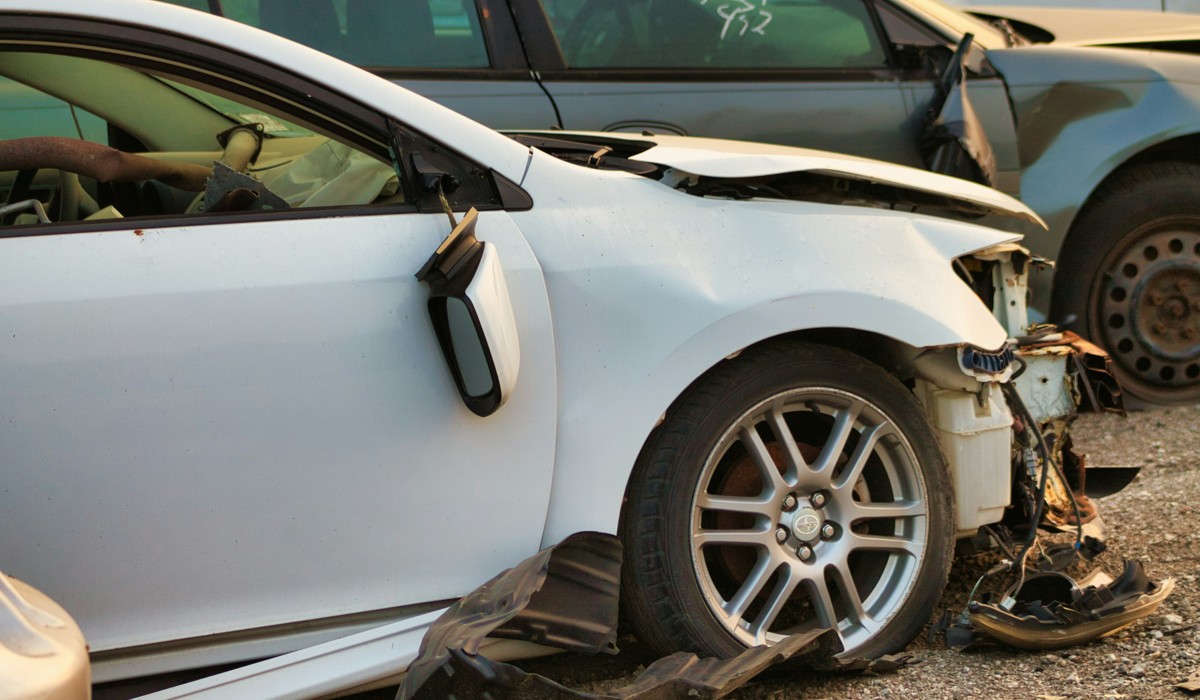
If you have a car that no longer runs, find out what it is worth before accepting an offer from a scrap yard. A car with a damaged engine might still have a working transmission, undamaged body panels, factory wheels, and valuable interior parts.
For example, a vehicle with serious rear-end damage may still have usable headlights, a hood, front doors, mirrors, and engine components. Selling those parts individually could bring in more money than selling the damaged vehicle as a whole.
Buying another car specifically for parts takes more planning. You need somewhere to keep it, tools to remove components, and enough time to find buyers.
Look for damaged vehicles through local classifieds, salvage auctions, and private sellers. Before purchasing one, confirm that the seller legally owns it and has the required paperwork.
For your first attempt, start with a vehicle you already own. You can learn which parts sell without risking hundreds of dollars on another damaged car.
Which Used Car Parts Are Worth Selling?
Some parts are easier to sell because drivers regularly need replacements after minor accidents or mechanical failures. Headlights, side mirrors, alternators, wheels, and certain interior components are worth checking first.
Large parts, including engines and transmissions, can bring more money, but they also require additional work to remove, test, and transport.
Used Car Parts and Potential Selling Prices
The following price ranges are examples for planning a sale, not verified current market averages. Actual prices depend on the vehicle, model year, condition, and buyer demand. Search recent completed sales for your exact part before setting a price.
| Used Car Part | Example Resale Price | What to Check |
|---|---|---|
| Headlight assembly | $50 to $250 | Lens, mounting tabs, bulbs, electronics |
| Side mirror | $30 to $150 | Glass, housing, heating and adjustment functions |
| Alternator | $40 to $120 | Operation, part number, electrical output |
| Starter motor | $30 to $100 | Working condition and vehicle compatibility |
| Factory wheels | $150 to $500 per set | Size, bolt pattern, cracks, bends |
| Factory radio | $30 to $200 | Model, functions, security coding |
| Complete door | $100 to $400 | Rust, dents, paint, included hardware |
| Engine | $400 to $2,000+ | Mileage, test results, engine code |
| Transmission | $250 to $1,500+ | Exact model, operation, mileage |
Illustrative US dollar ranges. Luxury, rare, and newer vehicle parts can sell for considerably higher prices. Worn or damaged components may sell for less.
For example, an intact factory headlight from a newer car may be more valuable than a complete door from an older vehicle. Replacement cost, availability, and condition influence what buyers are willing to spend.
Headlights, Mirrors, and Body Panels
Drivers need replacement headlights and mirrors after parking accidents, collisions, and everyday damage. If the parts are intact, identify their original part numbers and compare them with listings for the same vehicle.
Doors, hoods, and fenders can also sell, especially when they have no rust or major dents. Matching factory paint is an advantage because buyers may avoid paying for a complete repaint.
However, shipping a car door can be expensive. Large panels are usually easier to sell to someone who can collect them.
Alternators, Starters, Engines, and Transmissions
Mechanical parts are worth considering when you know they work. A tested alternator is easier to sell than one removed from a car with an unknown history.
Engines and transmissions have higher potential selling prices, but buyers will want details about their condition. Record the mileage, exact engine or transmission code, and any testing completed before removal.
Transmission compatibility deserves particular care. For example, Nissan Altima CVT transmission problems can lead owners to search for replacement units, but the correct transmission must match the specific vehicle configuration.
Do not claim that a mechanical component works unless you have reliable evidence of its condition.
How to Find Out What Used Car Parts Are Worth?

Before removing half the car, check if people are buying the parts you plan to sell.
Start with the manufacturer part number. It is usually printed on a label or stamped into the component. Enter that number alongside the vehicle make and model when searching online.
Use three sources to compare prices:
- eBay sold listings to see prices buyers have actually paid.
- Facebook Marketplace to compare local asking prices for similar parts.
- Car-Part.com to search used parts offered by participating auto recyclers.
Pay attention to condition. A headlight with broken mounting tabs should not be priced like one in excellent condition.
Also check how many similar parts are for sale. If dozens of sellers offer the same component, you may need a competitive price. An unusual factory part may have fewer competitors, but it also needs enough buyers to justify keeping it.
How to Remove and Prepare Parts for Sale
Take photographs before removing anything. Pictures of the part installed in the original car can help document its location and condition.
Keep screws, brackets, and original connectors together. Buyers appreciate complete assemblies, and missing hardware can reduce the selling price.
After removal, clean off ordinary dirt and photograph the part from several angles. Include close-ups of the original identification label, connectors, mounting points, and any damage.
Do not cut wiring unnecessarily. A mirror with its factory connector intact is generally more useful to a buyer than one with damaged wiring.
Leave dangerous removal work to qualified professionals. Airbags, high-voltage vehicle batteries, pressurized fuel systems, and air-conditioning refrigerants require special handling. The equipment involved in automotive air-conditioning repairs, for example, includes systems that must be serviced using appropriate refrigerant recovery procedures.
Where to Sell Used Car Parts
You can sell parts locally, ship them to buyers through online marketplaces, or offer them directly to salvage yards and repair shops.
Choose the selling method based on the size, weight, price, and demand for the component.
1. Facebook Marketplace
Facebook Marketplace is useful for selling used parts to nearby buyers. Wheels, doors, seats, and bumpers are particularly suitable because customers can collect them without paying shipping costs.
Include the vehicle year, make, model, part number, price, and location. A listing for four factory wheels should also include the wheel size, bolt pattern, and condition.
Local buyers may want to inspect the part before paying. Arrange collection in a safe location and agree on payment before handing over the item.
2. eBay
eBay is useful when the right buyer is outside your local area. A factory switch, radio, mirror, or headlight can attract customers from across the country.
Create a listing with clear photographs and the correct part number. Include accurate vehicle compatibility information so customers can check that the component fits.
eBay Motors selling guidance explains how sellers can add compatible vehicle years, models, trims, and engines to parts listings.
Before listing, calculate the shipping cost. A part that sells for $90 may leave very little profit if you spend $25 shipping it and another $15 on fees and packaging.
If you eventually begin selling dozens of parts each week, storing inventory and shipping orders can take up a large part of your day.
Businesses with regular sales can use external warehouses to handle some of that work. Dollan Prep Center offers eBay fulfillment services that include inventory storage, order packing, shipping, and returns. Its published minimum is 100 units per month, so the service is intended for established sellers rather than someone selling a handful of parts from one vehicle.
3. Craigslist
Craigslist is another place to advertise used parts locally. It is especially useful for heavy components that buyers prefer to collect.
A complete engine, door, hood, or transmission may attract someone repairing their own car or a local mechanic looking for replacement parts.
State the condition clearly. If the engine has not been tested, explain that in the listing rather than describing it as fully working.
4. Local Repair Shops
Independent repair shops may buy used components when repairing older vehicles. A shop working on a car with a damaged door or broken side mirror may be interested in a replacement with the correct part number.
Contact shops with specific parts and prices. They are unlikely to buy a collection of random components without knowing their condition or compatibility.
5. Salvage Yards
Local salvage yards may buy complete damaged vehicles, selected parts, or remaining scrap after you remove the components worth selling individually.
Their offers will usually be lower than retail selling prices because they need to cover storage, labor, and resale costs.
However, a salvage yard is worth contacting when you need to clear the remaining vehicle or sell a large component quickly. On the other hand, salvage yard could be a much better solution as a reliable source for parts you can resell.
How Much Profit Can You Make Selling Used Car Parts?
Profit depends on how much you spend obtaining the parts and how much money remains after selling expenses.
Here is a simple example of buying a used alternator and reselling it online.
| Item | Amount |
|---|---|
| Purchase price | $40 |
| Selling price | $100 |
| Marketplace fees | $13 |
| Shipping | $15 |
| Packaging | $4 |
| Money remaining | $28 |
Hypothetical example. Actual marketplace fees and shipping charges vary. The $28 does not include taxes, labor, travel, or return expenses.
If you sell an alternator that was already in your old vehicle, you have no separate purchase expense for the part. However, its sale still needs to justify the time spent removing, testing, and shipping it.
For larger components, transport can consume much of the profit. That is one reason local sales are attractive for engines, transmissions, doors, and other bulky items.
Which Used Car Parts Should You Avoid?
Damaged safety components, recalled parts, and items whose condition cannot be reliably assessed can expose buyers to serious risks.
On eBay, airbags and airbag covers are prohibited under the current vehicle parts and accessories policy. Other restrictions apply to certain emissions-related equipment.
Be particularly cautious with cracked wheels, damaged steering components, heavily worn brake parts, and electronics removed from flood-damaged vehicles.
If you cannot verify that a safety-critical component is suitable for reuse, do not advertise it as safe and working. Check applicable laws and marketplace rules before offering restricted parts.
The Bottom Line
After the first few sales, you will know which components attract buyers and how much work goes into each transaction.
Do not buy several damaged cars just because the parts appear valuable. Sell some inventory first, recover your money, and use actual sales results to decide what to buy next.