
Toyota built a reputation for producing durable and dependable engines, especially its V6 powerplants used in both Toyota and Lexus vehicles. Long service life and consistent performance helped these engines earn strong trust among drivers and mechanics.
Introduction of the 3.5-liter 2GR-series V6 in 2005 marked a major step forward for Toyota’s V6 lineup.
Proper maintenance allows many Toyota V6 engines to exceed 200,000 miles of operation. Longevity at that level places Toyota V6 engines among the most durable powerplants in their category.
Even highly reliable engines eventually develop known mechanical problems. Early recognition of warning signs helps prevent severe damage and costly repairs.
Excessive Oil Consumption
Oil consumption occurs in many high-mileage engines, including certain early variants of the Toyota 2GR V6 family. Gradual wear of internal engine components allows small amounts of oil to enter the combustion chamber during normal operation.
Moderate consumption can occur in aging engines, yet excessive consumption indicates a mechanical issue that requires attention.
Owners often notice the condition after many years of use. Rising mileage, long service intervals, and accumulated wear typically contribute to the problem.
Description of the Problem
Certain early versions of the 2GR engine family develop oil consumption problems as mileage increases. The issue does not affect every engine but appears frequently enough to receive attention among owners and technicians.
Oil consumption usually develops slowly rather than appearing suddenly. Engine may operate normally at first while oil usage gradually increases over thousands of miles.
Small losses of oil may not produce obvious symptoms initially. Continued operation without monitoring oil levels can allow the condition to worsen over time.
Causes
Several mechanical factors contribute to oil consumption in high-mileage engines. Internal wear gradually reduces sealing effectiveness between moving components.
- Worn piston rings that no longer maintain a tight seal against cylinder walls
- Valve stem seals that deteriorate and allow oil into the combustion chamber
- Carbon buildup around piston rings that prevents proper sealing
- Sludge accumulation caused by extended oil change intervals
Worn piston rings remain one of the primary causes. Rings lose sealing efficiency as mileage accumulates, allowing oil to enter the combustion chamber during compression and power strokes.
Valve seal wear can also allow engine oil to pass into the cylinders during operation. Oil typically enters the combustion chamber during engine startup or while the engine operates at high vacuum conditions.
Long oil change intervals sometimes lead to sludge buildup inside the engine. Sludge restricts oil flow and accelerates wear in internal components, which increases oil consumption over time.
Warning Signs
Several noticeable symptoms often appear once oil consumption becomes significant. Drivers may observe changes in engine behavior or maintenance frequency.
Common warning indicators include the following:
| Warning Indicator | Description |
|---|---|
| Frequent need to add oil between oil changes | Indicates that the engine may be consuming oil at an abnormal rate. |
| Blue smoke visible in the exhaust during acceleration or startup | Suggests that oil is burning inside the engine along with fuel. |
| Burning oil smell around the vehicle during operation | May indicate oil leaks or oil coming into contact with hot engine components. |
| Engine oil warning light appearing due to low oil levels | Signals that oil levels have dropped and may require immediate attention. |
Frequent oil top-offs often become the first sign that a problem exists. Blue exhaust smoke occurs when engine oil burns inside the combustion chamber.
Burning oil odor may appear during operation if oil leaks onto hot exhaust components. Oil warning lights activate when engine oil drops below safe operating levels.
Risks
Low oil levels increase friction between internal engine components. Excessive friction accelerates wear in bearings, cylinder walls, and valve train components.
Continued operation with insufficient lubrication may lead to severe engine damage.
- Accelerated cylinder wall wear
- Damaged piston rings
- Overheating internal engine components
- Complete engine failure in severe cases
Regular oil level checks help detect the problem early. Early repair prevents extensive mechanical damage and reduces repair costs.
Water Pump Failure
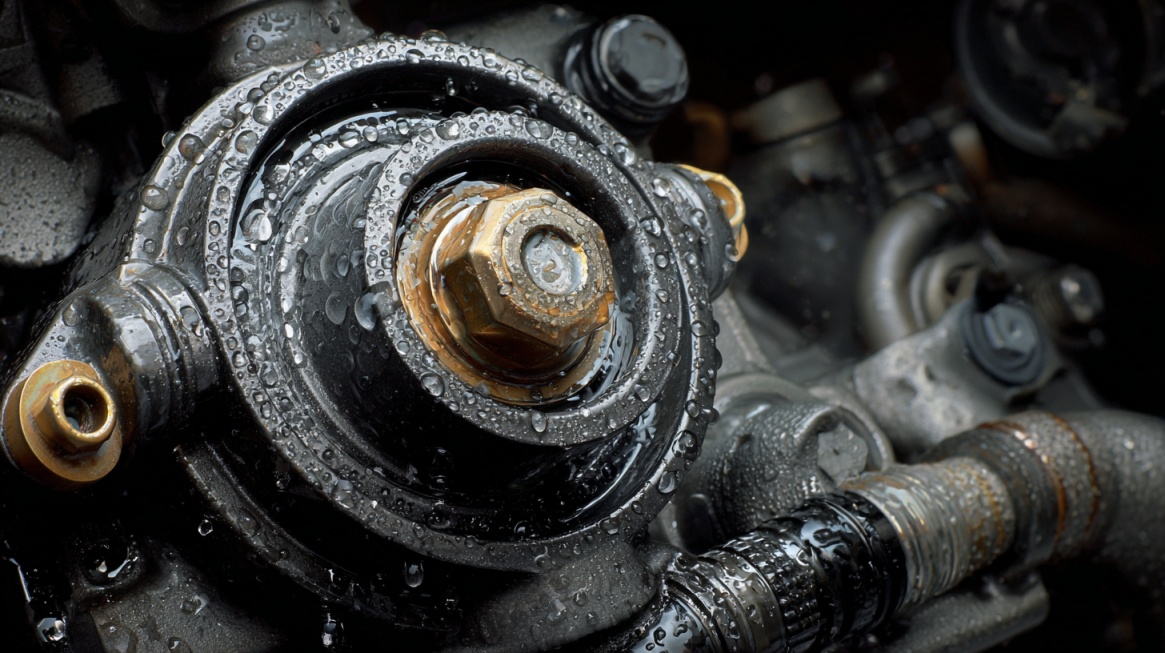
Cooling systems play a critical role in engine durability. Continuous circulation of coolant keeps engine temperatures within safe limits. Failure of cooling system components can quickly lead to overheating and internal damage.
Water pump wear appears as a common maintenance concern in many 3.5-liter Toyota V6 engines. Mechanical components inside the pump gradually wear after long periods of operation.
Why It Happens
Water pumps operate continuously whenever the engine runs. Internal bearings, seals, and impeller components experience constant stress caused by coolant flow and heat cycles.
- Continuous rotation at engine speed
- Exposure to high engine temperatures
- Coolant contamination or aging coolant
- Long service life exceeding recommended replacement intervals
High mileage increases the likelihood of pump failure. Bearings eventually lose lubrication and seals begin to leak after extended operation.
Warning Signs
Drivers can often detect early symptoms before complete water pump failure occurs. Several visible and audible signs typically appear as the pump deteriorates.
Indicators frequently associated with pump problems include:
| Indicator | Description |
|---|---|
| Coolant leaks beneath the engine area | May indicate a failing water pump seal or gasket allowing coolant to escape. |
| Engine overheating during normal driving conditions | Suggests the pump may not be circulating coolant effectively through the engine. |
| Grinding or whining noise near the water pump | Often caused by worn bearings or internal damage within the pump. |
| Gradual reduction in coolant level | Points to a slow leak or internal pump issue reducing coolant over time. |
Coolant leaks usually occur when internal pump seals begin to fail. Overheating may develop once coolant circulation becomes insufficient.
Grinding or whining sounds indicate worn pump bearings. Low coolant levels often appear alongside external leaks.
Consequences
Failure to repair a worn water pump can quickly lead to severe overheating. Rising engine temperatures place extreme stress on cylinder heads and gaskets.
- Warped cylinder heads
- Damaged head gaskets
- Cracked engine components
- Complete engine failure in severe cases
Prompt replacement of a failing water pump restores proper coolant circulation and protects the engine.
Oil Leaks in Toyota V6 Engines

Oil leaks appear as a common issue in aging engines. Rubber gaskets and seals gradually lose flexibility after years of heat exposure. Hardened seals allow engine oil to escape at various connection points.
Older Toyota V6 engines show these leaks more frequently after high mileage operation.
Common Leak Points
Several engine locations commonly develop oil leaks due to gasket wear. Areas exposed to continuous heat cycles tend to deteriorate faster.
Valve cover gaskets often harden with age and begin to leak along the cylinder head perimeter. Oil pan gaskets can deteriorate after long service periods.
Camshaft seals may allow oil seepage once rubber sealing surfaces degrade.
Engines Most Affected
Oil leak problems appear more frequently in earlier Toyota V6 engines. Older engine families often experience gasket deterioration as mileage increases.
- 1MZ-FE V6 engines
- 3MZ-FE V6 engines
High-mileage vehicles equipped with these engines often develop minor oil leaks after many years of service.
Warning Signs
Drivers may notice visible signs that indicate oil leakage. Early detection helps prevent larger mechanical problems.
Typical symptoms include:
| Symptom | Description |
|---|---|
| Oil spots or stains beneath the parked vehicle | Indicates possible oil leakage from engine components or seals. |
| Burning oil smell near the engine compartment | May occur when leaking oil contacts hot engine parts. |
| Gradual oil loss between maintenance intervals | Suggests ongoing oil leakage or internal engine consumption. |
Burning oil smell usually appears when leaking oil contacts hot exhaust components.
Repair
Repair typically involves replacing worn gaskets or seals. New components restore proper sealing and stop oil leakage.
Mechanics often recommend repairing leaks early. Early repair prevents oil contamination of surrounding components and maintains proper lubrication levels.
Carbon Buildup and Fuel System Issues
Modern engine technology improves fuel efficiency and performance. Direct fuel injection systems deliver fuel directly into the combustion chamber. Design improves combustion control but introduces a known side effect involving carbon buildup.
Carbon deposits gradually accumulate on intake valves in many direct injection engines.
Cause
Fuel injected directly into the cylinder does not pass over intake valves. Absence of fuel flow across the valves allows oil vapors and combustion residues to accumulate.
Carbon accumulation increases slowly as mileage grows.
- Oil vapor entering the intake system through the crankcase ventilation system
- Combustion byproducts circulating through intake passages
- High engine temperatures that harden carbon deposits
Gradual accumulation eventually restricts airflow into the combustion chamber.
Warning Signs
Carbon buildup often produces noticeable performance changes once deposits grow large enough to affect airflow.
Drivers may experience several symptoms:
| Symptom | Description |
|---|---|
| Rough engine idle during startup or low speed operation | Indicates unstable combustion or inconsistent air-fuel mixture. |
| Reduced engine power under acceleration | Suggests the engine is not receiving the proper airflow for efficient performance. |
| Decreased fuel economy due to inefficient combustion | Results from improper air-fuel ratios causing excess fuel consumption. |
| Engine misfires caused by disrupted airflow | Occurs when irregular airflow interferes with proper ignition timing. |
Rough idle and reduced throttle response frequently appear first.
Why It Happens
Direct injection technology improves fuel efficiency and power output. Lack of fuel flow across intake valves allows carbon particles and oil vapors to settle on valve surfaces.
Over time these deposits harden and restrict airflow into the engine. Reduced airflow affects combustion efficiency and engine performance.
Periodic intake cleaning procedures can reduce carbon accumulation and restore engine performance.
Cooling System Failures and Head Gasket Problems
@d.thetruckguy Customer states- my engines losing coolant kike crazy!! #comeoverhere #dieselmechanic #diesel #dieseltech #mechanic #trucker #trucking #bigrig #truckmechanic #semitruck #mechanictips #truckstop #customerstates #dieselpower ♬ original sound – D TheTruckGuy
Cooling systems regulate engine temperature and protect internal components. Failure within this system can quickly cause overheating. Prolonged overheating creates conditions that damage head gaskets and cylinder heads.
Toyota V6 engines rarely develop head gasket failure without a prior cooling system problem.
Description
Head gasket damage usually follows overheating or coolant loss. Rising temperatures cause metal engine components to expand beyond normal limits. Expansion places extreme stress on the head gasket sealing surface.
- Coolant leaks in hoses or radiator components
- Failed water pump preventing coolant circulation
- Malfunctioning thermostat restricting coolant flow
Failure typically develops after prolonged overheating events.
Warning Signs
Drivers often notice several warning signs when cooling system problems occur.
Important indicators include:
| Indicator | Description |
|---|---|
| Rising engine temperature gauge readings | Indicates the engine may be overheating due to cooling system issues. |
| Visible coolant leaks beneath the vehicle | Suggests a leak in the cooling system, possibly from hoses, radiator, or seals. |
| White smoke exiting the exhaust | Often indicates coolant entering the combustion chamber and burning with fuel. |
| Milky engine oil indicating coolant contamination | Points to coolant mixing with engine oil, commonly due to internal engine damage such as a blown head gasket. |
White exhaust smoke appears when coolant enters the combustion chamber. Milky oil forms when coolant mixes with engine oil.
Consequences
Head gasket failure creates serious mechanical problems inside the engine. Coolant and oil mixing reduces lubrication and damages internal components.
- Severe engine overheating
- Bearing damage caused by contaminated oil
- Warped cylinder heads
- Extensive internal engine damage
Immediate repair prevents further damage and protects surrounding engine components.
Newer Toyota V6 Issues (Modern Engines)
Recent Toyota V6 engines continue to provide strong reliability. Modern technology improves efficiency, emissions control, and power output. Advanced designs still encounter occasional issues, particularly in early production models.
Certain newer engines introduced new mechanical challenges.
Twin-Turbo V6 Concerns
Recent Toyota truck models introduced twin-turbocharged V6 engines beginning in the 2022 model year. Advanced turbocharging improves power output and fuel efficiency compared with earlier naturally aspirated engines.
Reports emerged involving sudden engine failures in a small number of early production units.
Manufacturer responses included recall programs and inspection procedures. Corrective actions involved identifying defective components and replacing affected engines when necessary.
Other Modern Issues
Modern Toyota V6 engines continue to experience several maintenance concerns associated with high mileage and advanced technology.
- Carbon buildup associated with direct injection systems
- Timing cover oil leaks developing in high-mileage engines
- Water pump wear after extended operation
Carbon buildup remains possible even with improved fuel systems. Timing cover gasket deterioration can allow oil seepage after long service periods.
Water pump wear continues to appear as a routine maintenance concern due to constant coolant circulation and engine heat cycles.
Summary
Toyota V6 engines, particularly the 3.5-liter 2GR series, maintain a strong reputation for durability and long service life.
Many owners report engine operation exceeding 180,000 to 200,000 miles with only routine maintenance and minor repairs.
Problems such as oil consumption, water pump wear, and cooling system issues may appear over time. Most problems develop gradually and provide clear warning signs.
Regular maintenance, careful monitoring of fluid levels, and early repair of minor problems help keep Toyota V6 engines operating reliably for many years.