
Toyota Camry has built a reputation as one of the most dependable sedans in the United States, often praised for durability and low ownership costs. Many drivers expect smooth performance well past 200,000 miles.
Certain model years, however, show consistent transmission-related complaints reported across multiple data sources. Problems tend to cluster within specific production periods rather than affecting every Camry equally.
What we want to do here is to identify model years with the highest risk, explain why these issues occur, and help buyers avoid expensive repairs that can exceed several thousand dollars.
Worst Toyota Camry Years for Transmission Problems
| Generation | Years | Overview | Key Issues |
|---|---|---|---|
| 5th | 2002–2006 | Early transmission issues with less refined design | Inconsistent shifting, early wear |
| 6th | 2007–2011 | Most problematic period with high complaint volume | Hesitation, slipping, harsh shifting |
| 7th | 2012–2017 | Improved reliability with fewer issues | Torque converter shudder, occasional rough shifting |
Certain production years show far higher complaint rates than others. Patterns reveal that transmission issues concentrate within specific generations rather than affecting all Camry models equally.
Buyers looking at used vehicles should pay close attention to these years, as repair costs can quickly exceed the value of the car if a major failure occurs.
2002-2003 Camry (5th Generation Issues)
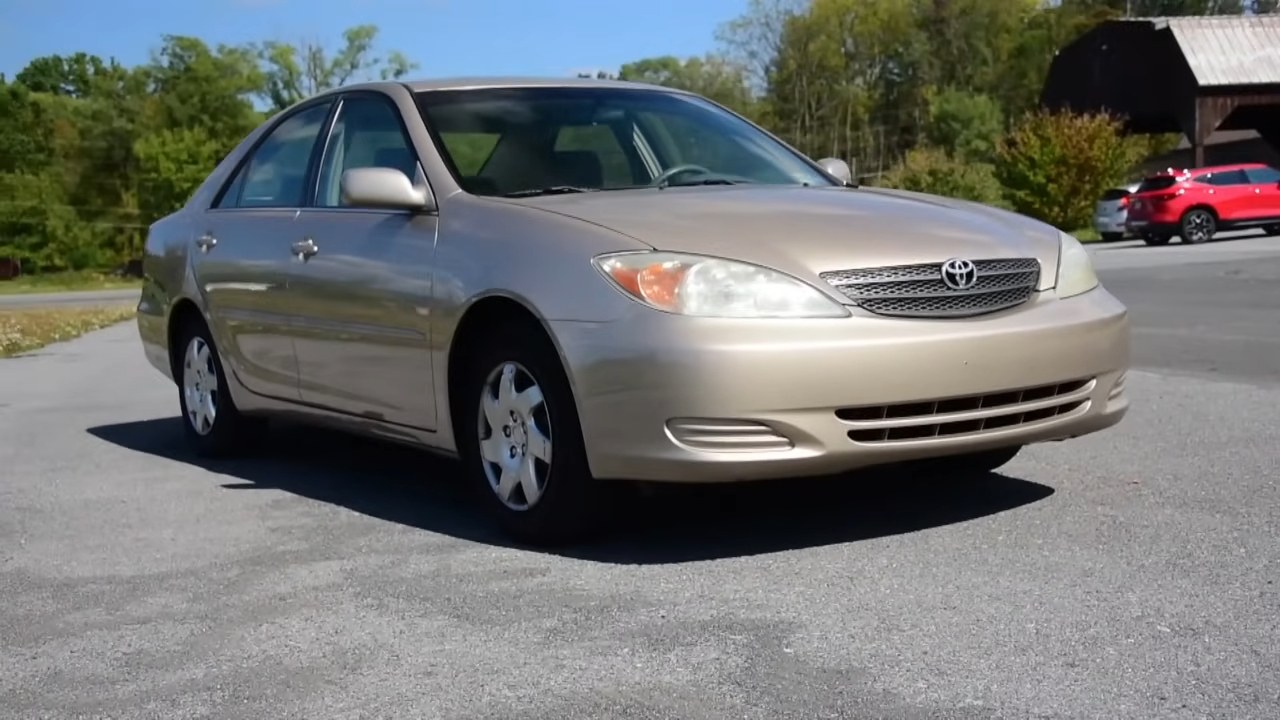
Early 2000s Camry models marked the beginning of recurring automatic transmission complaints that would carry into later years. Reliability concerns started to gain attention during this period.
Transmission slipping appeared at relatively low mileage, raising questions about long-term durability. Drivers often reported weak acceleration and inconsistent power delivery.
- Slipping during acceleration, especially under moderate load
- Delayed response when shifting into drive or reverse
- Abrupt gear changes that disrupt smooth driving
Hard shifting and hesitation further reduced overall driving quality. Gear transitions felt rough, and responsiveness lagged behind expectations for a midsize sedan.
Combination of transmission issues with engine-related problems made these models less attractive on the used market. Reliability concerns extended beyond a single system.
2007-2009 Camry (6th Generation – Most Problematic Period)
Sixth-generation Camry models represent the peak period for transmission-related complaints. High complaint volume and repeated reports of similar issues point to widespread defects rather than isolated cases.
Performance inconsistencies became more noticeable, especially during acceleration and gear changes. Drivers frequently described unpredictable behavior that affected confidence behind the wheel.
1. 2007 Camry (Worst Year Overall)
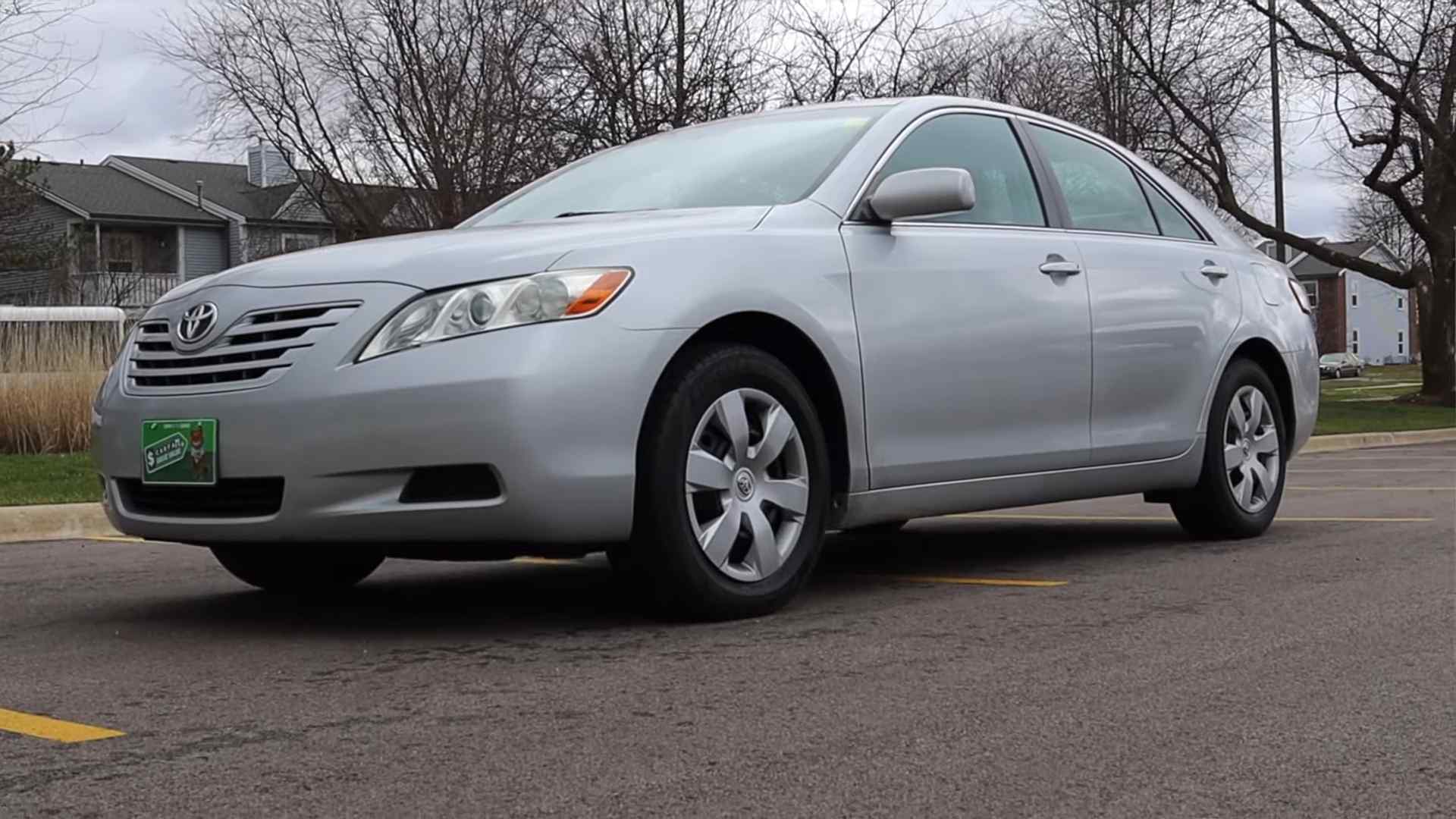
2007 model year consistently ranks as the most problematic. Complaint volume remains significantly higher than average compared to other Camry years.
Drivers reported hesitation followed by sudden surging. Acceleration felt inconsistent, and vehicle response could change without warning.
- Noticeable delay when pressing the gas pedal
- Sudden forward surge after hesitation
- Slipping gears during normal driving
- Erratic shifting between gears
Root cause often ties to defective transmission software calibration. Poor tuning caused delayed gear engagement and improper shift timing.
Additional engine oil consumption problems increased ownership costs and added to reliability concerns, making 2007 one of the least desirable Camry years.
2. 2008 Camry
Problems seen in 2007 carried into 2008 with limited improvement. Many drivers continued to report similar transmission behavior.
Rough shifting and delayed acceleration remained common. Hesitation under load made highway driving more stressful, especially during merging situations.
- Continued hesitation during acceleration
- Rough gear transitions at low and moderate speeds
- Lack of consistent improvement in transmission tuning
Underlying issues were not fully resolved, leading to continued complaints and reduced confidence among owners.
3. 2009 Camry
Some improvements appeared in 2009, though problems did not disappear completely.
Hesitation and delayed shifting still occurred more frequently than expected. Severity decreased compared to 2007, but reliability remained below average.
- Slight reduction in harsh shifting complaints
- Improved but still inconsistent acceleration response
- Ongoing reports of hesitation during gear changes
Overall, generation continues to rank among the least reliable due to the volume and consistency of complaints.
2010-2012 Camry (Carryover Issues into Early 7th Generation)
Transition into the next generation brought gradual improvements, though earlier problems did not vanish immediately.
Drivers began to notice smoother operation in some cases, yet lingering issues still affected reliability during these years.
1. 2010 Camry
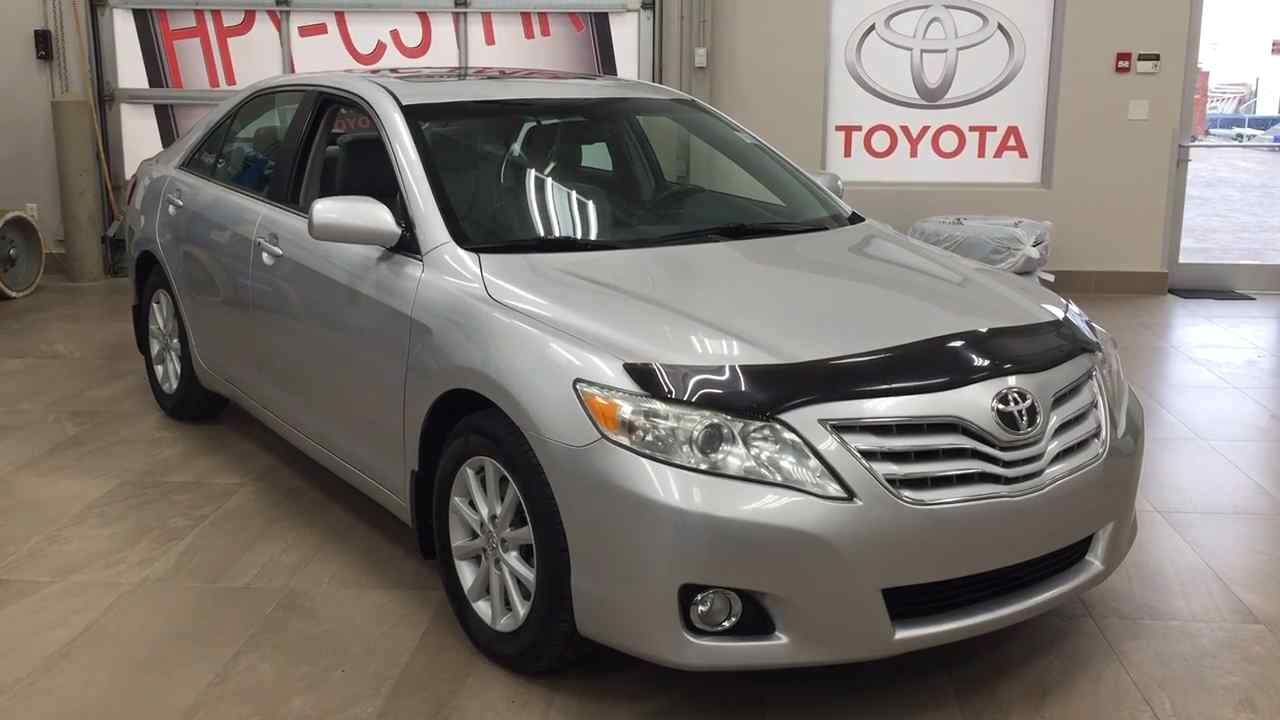
2010 served as a transition point between problematic and improved models.
Harsh downshifting and hesitation remained present, though less severe than earlier years. Improvements in tuning began to reduce complaint frequency.
- Abrupt downshifts when slowing down
- Delayed response during acceleration
- Occasional rough gear engagement
Progress was noticeable, though not complete.
2. 2011-2012 Camry
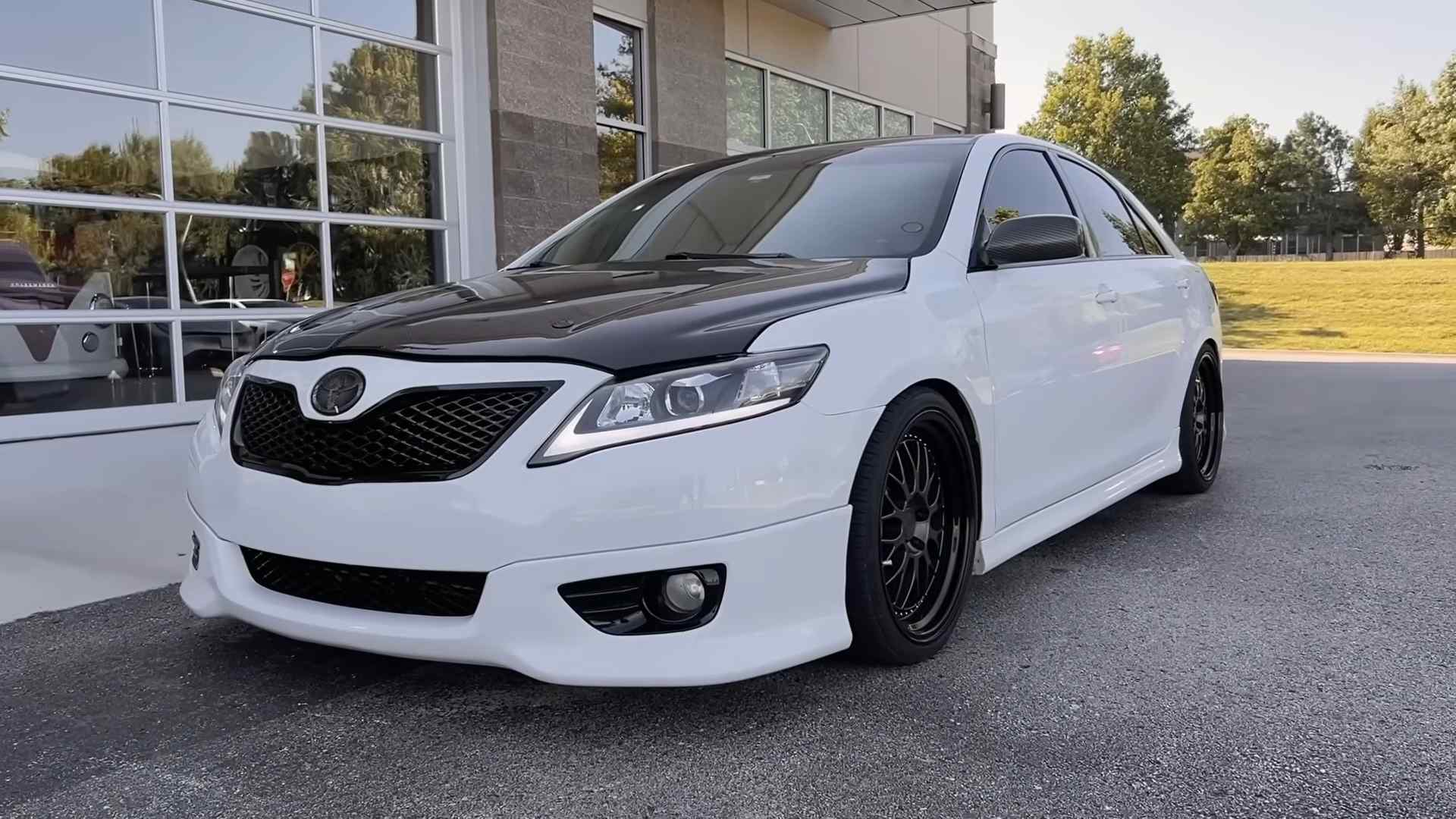
Later years in this range showed continued improvement, though some issues persisted.
Hard shifting still appeared in certain cases, along with occasional transmission failure. Torque converter shudder became more noticeable, especially at steady cruising speeds.
- Vibration during highway driving
- Occasional hesitation during acceleration
- Reduced but still present shifting irregularities
Reliability improved compared to earlier models, yet these years still require attention during purchase decisions.
2015-2016 Camry (Minor but Noticeable Issues)
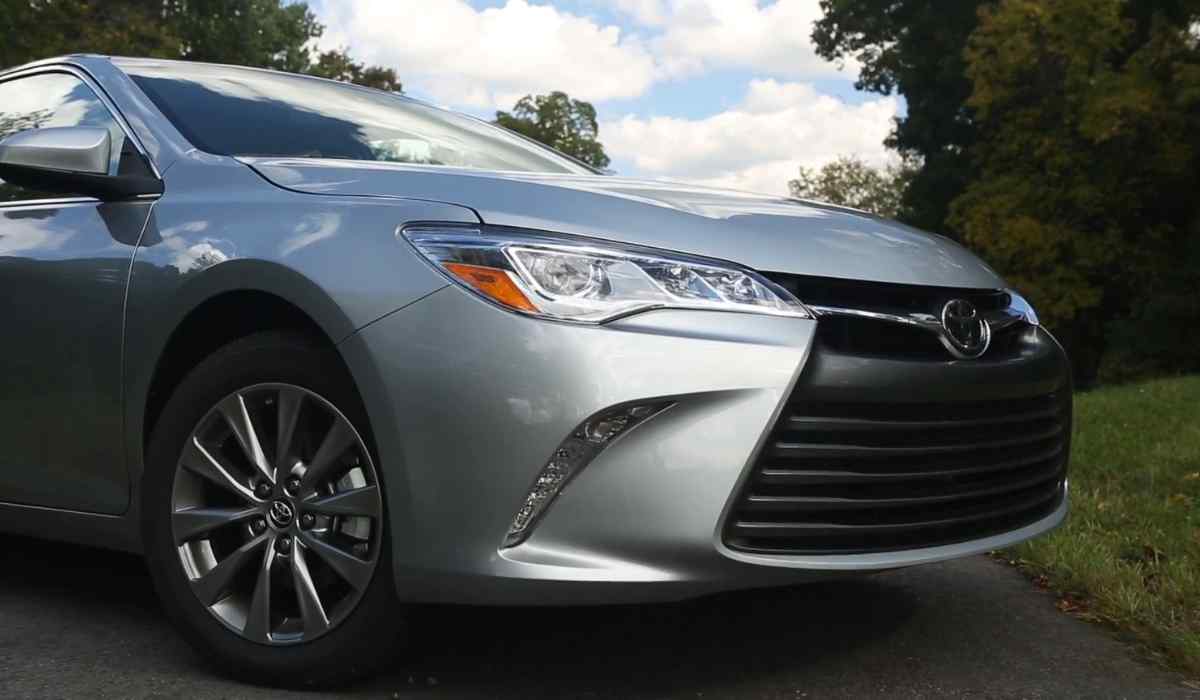
Later models show a clear reduction in severe transmission defects. Improvements in engineering and calibration reduced widespread complaints.
Rough shifting and inconsistent gear engagement still appeared in isolated cases. Hesitation during acceleration occurred less frequently but remained noticeable to some drivers.
- Slight delay in acceleration response
- Occasional uneven gear transitions
- Minor hesitation during low-speed driving
Overall trend indicates a stronger and more reliable transmission design compared to earlier generations.
Common Transmission Problems Explained
Different types of transmission problems affect performance in specific ways. Each issue has identifiable causes and symptoms that drivers can recognize early.
Slipping transmission often results from internal wear or fluid-related problems. Commonly reported in early 2000s models and 2007 vehicles.
Delayed shifting or hesitation typically links to software calibration problems. Most noticeable in mid-2000s models with known tuning defects.
Harsh shifting creates sudden gear engagement that feels aggressive. Most severe between 2007 and 2010, though it appears in other years as well.
Torque converter shudder produces vibration during steady driving. More common in early 2010s models, often mistaken for engine or tire issues.
Warning Signs of Transmission Problems
Early detection can help prevent major repair costs. Drivers should pay attention to specific warning signs that indicate transmission trouble.
- Delayed acceleration after pressing the gas pedal
- Jerking or lurching during gear changes
- Grinding or whining noises during operation
- Burning smell caused by overheating transmission fluid
- Check engine light triggered by transmission-related faults
Recognizing these signs early can help reduce long-term damage and avoid expensive repairs.
Summary
Toyota Camry remains a dependable sedan overall, known for long-term reliability and low maintenance costs.
2007-2009 models represent the highest risk for transmission problems, with 2007 standing out as the worst year.
Earlier models, such as 2002-2003 and some later years, also show notable issues, minor ones like having to change the air filter, though less severe.
The best approach involves avoiding known problem years and selecting newer models with improved transmission performance to reduce risk of costly repairs.