
Run-flat tires represent a modern tire technology designed to remain functional after a puncture or complete air pressure loss.
Unlike conventional tires, run-flat designs allow continued driving for approximately 50 to 80 kilometers or 30 to 50 miles at reduced speeds up to 80 km/h or 50 mph.
Many luxury and performance vehicles, including models produced by BMW and Mercedes-Benz, rely on run-flat tires as standard equipment.
Manufacturers promote these tires for added safety and convenience during unexpected tire failures.
Trade-offs exist alongside these benefits, especially related to comfort, pricing, and long-term service options.
What Are Run-Flat Tires?
Run-flat tires are engineered to carry a vehicle after a complete or partial loss of air pressure, allowing continued travel without stopping immediately.
The primary purpose focuses on reducing the need for roadside tire changes, especially during highway driving or travel through isolated areas where stopping may increase risk.
Several design approaches define how run-flat tires achieve this function, and each serves a specific use case within the automotive market.
Most passenger vehicles rely on reinforced structures that support the vehicle once air pressure disappears, while specialized applications use alternative internal systems.
- Self-supporting design, using reinforced sidewalls capable of carrying vehicle weight after deflation
- Support ring systems, featuring an internal rubber ring mounted on the wheel to maintain load support
- Self-sealing designs, containing an inner sealant layer that closes small punctures automatically
How Do Run-Flat Tires Work?
Post-puncture operation allows most run-flat tires to continue functioning for roughly 50 miles at speeds up to 50 mph after air pressure loss.
Structural stability remains intact through reinforced sidewalls or internal load-bearing components that prevent collapse under vehicle weight.
Materials used in construction balance strength and flexibility to support normal driving and temporary deflated operation.
Sidewalls resist excessive deformation while still absorbing road forces during everyday use.
- Maximum distance of approximately 50 miles
- Speed limits are capped near 50 mph
- Requirement for immediate inspection after continued driving
Tire Pressure Monitoring Systems play a critical role in safe usage. Run-flat tires often retain their shape even after losing air, making visual detection unreliable.
TPMS alerts drivers to pressure loss and helps prevent extended driving that could cause internal heat buildup and irreversible damage.
Pros of Run-Flat Tires

Run-flat tires offer several practical advantages that focus on safety, usability, and vehicle design.
Benefits become most noticeable during sudden air loss situations and daily driving scenarios where convenience and control matter.
Enhanced Safety During Air Loss
Enhanced safety ranks as a major advantage due to stable handling after sudden pressure loss.
Reinforced sidewall construction supports vehicle weight and reduces abrupt steering changes during a blowout.
Drivers retain greater control, lowering the chance of panic reactions or loss of directional stability.
Avoidance of roadside stops also limits exposure to fast-moving traffic, poor visibility areas, and unsafe shoulder conditions.
Continued Mobility After a Puncture
Convenience improves significantly since driving can continue after a puncture without immediate interruption.
Drivers gain valuable time to reach a service center instead of stopping in unfavorable conditions such as heavy traffic, extreme weather, or remote highways.
Stress related to emergency tire changes also decreases, especially for drivers without physical ability or tools to replace a tire roadside.
Space and Weight Savings
Vehicle design advantages appear due to the elimination of spare tire storage.
Removal of a spare tire and related tools changes how interior space is used and slightly alters vehicle weight distribution.
- Increased trunk or cargo space
- Reduced overall vehicle weight
- Slight improvements in fuel efficiency
These benefits become especially useful in compact vehicles or sedans where storage capacity remains limited.
Improved Stability After Deflation
Improved handling after deflation adds another meaningful benefit. Reinforced sidewalls help tires maintain shape and road contact even without air pressure.
Steering response remains more predictable compared to conventional tires, supporting safer maneuvering until a service location is reached.
Cons of Run-Flat Tires
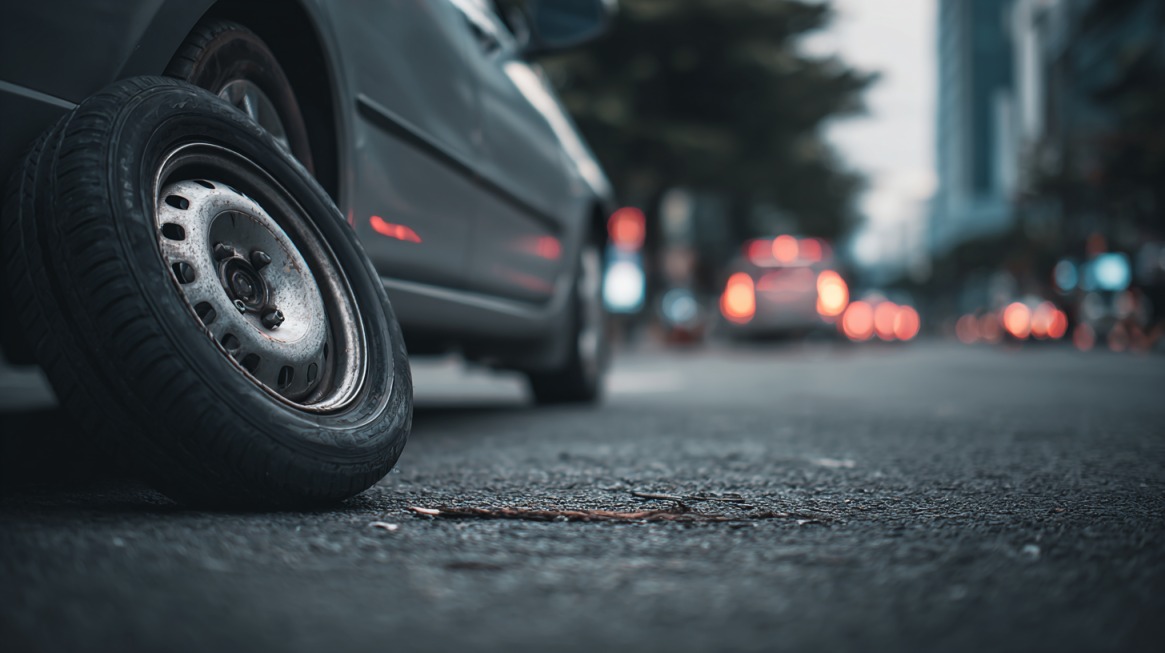
Despite functional advantages, run-flat tires introduce several drawbacks that affect comfort, cost, and long-term ownership.
Limitations often become noticeable during everyday driving rather than emergencies.
Reduced Ride Comfort
Harsher ride quality affects many drivers due to stiff sidewall construction.
Suspension systems absorb less road shock because rigid tire walls transmit more vibration.
Potholes, cracks, and uneven pavement feel more pronounced inside the cabin, reducing overall driving comfort.
Shorter Tread Life
Shorter tread life presents a common concern.
Rubber compounds designed to support a vehicle during deflated operation tend to wear faster during regular use.
Uneven road surfaces and aggressive driving styles may accelerate wear compared to standard tires.
Higher Ownership Costs
Cost factors remain a major concern for many owners. Run-flat tires cost more to purchase and maintain than conventional alternatives.
- Replacement costs ranging between $200 and $500 per tire
- Price increases of 25% to 50% compared to conventional tires
- Additional charges tied to specialized mounting and balancing equipment
These expenses accumulate quickly during full tire replacements.
Limited Repair Options
Limited repairability further complicates ownership. Manufacturers often recommend replacing a run-flat tire after any period of driving while deflated.
Internal structural damage may occur without visible signs, making professional inspection essential.
Repair approval remains inconsistent and depends on puncture size, location, and driving distance after air loss.
Restricted Service Availability
Availability also creates challenges in certain regions. Some tire shops lack the proper equipment or trained technicians required for run-flat tire service.
Drivers in rural or less populated areas may face longer wait times or higher service costs due to limited local support.
Run-Flat Tire Service and Replacement
@walsallwoodtyre Runflat tyre repair #runflat #runflattyre #tyrerepair #tyrerepairer #cars #cartipswithcraig #mechaniclife #roadsafety #walsallwood #walsallwoodtyre #cartiktok #driving ♬ Notice Me – Guchi & Loud Behaviour
Service procedures require careful inspection due to hidden internal risks.
Sidewall and inner liner evaluation helps identify heat damage or structural fatigue caused by driving without air pressure.
Repair decisions depend on puncture location, size, and driving distance after air loss.
Minor tread punctures may qualify for repair in limited cases, though replacement remains the most common outcome.
- Internal inspection of sidewalls and tread area
- Assessment of heat-related damage
- Evaluation of repair eligibility
Mounting and balancing demand requires trained technicians and specialized equipment due to rigid sidewall construction.
TPMS diagnostics and recalibration ensure accurate pressure monitoring after installation or repair.
Cost considerations extend beyond tire price alone. Replacement typically ranges between $200 and $500 per tire.
Repair costs, when permitted, resemble standard tire repair pricing. Additional expenses may include TPMS service fees and balancing charges.
Final Thoughts
Run-flat tires deliver strong safety and convenience benefits for drivers who value uninterrupted mobility during tire failures.
Highway commuters and individuals lacking immediate roadside assistance gain notable peace of mind.
Drawbacks include higher purchase costs, reduced ride comfort, faster wear, and restricted repairability. Budget-conscious drivers or those prioritizing ride smoothness may find traditional tires more suitable.
Standard tires paired with TPMS and a spare tire offer a cost-effective alternative for many vehicles.