
An alternator is a key component in a vehicle’s electrical system. It converts mechanical energy into electrical power that keeps the car running. Electrical output supports ignition, lighting, onboard computers, and accessories such as climate control and infotainment.
Proper alternator function is essential for reliable operation. Failure can disrupt the entire electrical system and may lead to damage in related components.
Replacement cost varies widely based on multiple factors, including vehicle type and labor complexity.
Still, it is possible to determine how costly this would be, generally speaking.
Average Cost of Alternator Replacement
Typical total cost of replacing an alternator usually falls between $700 and $1,000. Lower-end scenarios can range between $300 and $900, especially when using budget-friendly parts or working on simpler vehicles. A more detailed estimate places the average range around $757 to $1,032, which reflects common real-world pricing across many models.
Of course, costs for alternator replacement can vary significantly based on vehicle type, part selection, and labor difficulty. Pricing ranges often overlap, which can make estimates feel inconsistent without proper context.
- Budget-friendly replacements: $300 to $900
- Common mid-range jobs: $700 to $1,000
- Detailed average estimates: $757 to $1,032
Broader pricing can extend between about $500 and $1,500 or more, especially for vehicles with tighter engine bays or higher electrical demands.
Luxury vehicles can push total costs past $2,000 to $3,000 in extreme cases due to expensive components and complex installation requirements.
Breakdown of Costs

Total replacement cost includes two main elements: the alternator itself and the labor required to install it. Each component can vary independently, which explains the wide pricing range.
Parts Cost
Alternator pricing depends heavily on vehicle specifications and part quality. Standard vehicles tend to use more affordable units, while premium models often require specialized components.
- Standard vehicles: $100 to $350
- Broad average range: $100 to $500
- Luxury or high-performance vehicles: $500 to $700 or more
Cost differences often come down to several factors. OEM parts usually cost more but are designed to match factory specifications. Aftermarket parts can reduce upfront expense but may vary in durability and fit. Alternator size and amperage output also influence pricing, especially in vehicles with high electrical demand.
Labor Cost
Labor represents a significant portion of the total cost, especially in vehicles where access to the alternator is limited. Rates vary depending on location and shop experience.
- Common range: $170 to $270
- Average estimates: $183 to $268
Time required for installation plays a major role in labor cost. Most replacements take about 1 to 2 hours, which keeps labor relatively moderate. More complex jobs can take up to 4 hours when additional components must be removed.
Engine layout and accessibility strongly affect labor time. Vehicles with tightly packed engine compartments or transverse engines often require more disassembly, increasing total cost.
Factors That Affect Alternator Replacement Cost

Several variables influence final pricing, making each replacement job slightly different. Some factors have a greater impact than others, particularly vehicle design and part requirements.
- Vehicle make and model, which often determines part cost and labor difficulty
- Alternator type, including high-output or heavy-duty units that increase price
- Labor complexity when access requires removing surrounding components
Geographic location also affects pricing. Labor rates can range widely, with mechanics charging roughly $15 to $205 or more per hour depending on region and shop type.
Part selection plays a role in both cost and reliability. OEM parts typically cost more but offer consistent fit and performance. Aftermarket options can reduce initial expense but vary in quality.
Warranty coverage can significantly reduce expenses. Active warranties may cover part or full replacement, lowering the out-of-pocket cost.
Signs You May Need an Alternator Replacement
A failing alternator often shows clear warning signs before complete failure occurs. Early symptoms usually involve electrical inconsistencies, followed by starting issues and battery-related problems. Recognizing these signs early can help prevent breakdowns and additional damage.
Electrical Warning Signs
Electrical irregularities are often the first indication of alternator trouble.
Since the alternator powers most systems while the engine runs, voltage fluctuations can affect multiple components at once.
- Dimming or flickering headlights, especially at idle
- Dashboard warning lights, including the battery indicator
- Interior lights that pulse or change brightness
Power-dependent features may also behave unpredictably. Radios may cut in and out, air conditioning systems may lose efficiency, and power windows or seats may operate more slowly than usual.
Starting and Battery Issues
Starting problems often follow electrical symptoms as the alternator loses its ability to recharge the battery. A weak or inconsistent charge can leave the battery underpowered.
- Difficulty starting the engine or repeated cranking attempts
- Clicking sounds during ignition attempts
- Frequent need for jump-starts
Repeated battery drain is a strong indicator of alternator failure. A fully charged battery that quickly loses power often points to insufficient charging rather than a defective battery.
Noises and Mechanical Clues
Unusual sounds can signal internal alternator issues or problems with related components. Bearings and internal parts can wear out over time, leading to noticeable noise.
- Whining noises that change with engine speed
- Grinding sounds indicating worn internal components
- Squealing noises caused by a loose or worn belt
Ignoring these sounds can lead to complete failure, which may leave the vehicle unable to run.
Repair vs. Replacement
@trqautoparts Is your alternator failing? Jeremy shares all the signs to watch for so you can address the issue before it becomes costly. #trq #trqautoparts ♬ original sound – TRQ
Alternators are typically replaced rather than repaired due to their design. Internal components often fail together, making partial fixes less reliable.
Full replacement is generally preferred for long-term reliability. Minor repairs may address external components such as belts, but internal failures usually require a complete unit swap.
Additional costs may appear during replacement. A common example includes the serpentine belt, which may need replacement at the same time.
Typical add-on cost includes serpentine belt replacement, which is usually between $20 to $50.
Addressing related components during replacement can prevent future issues and reduce repeat labor costs.
DIY vs. Professional Replacement
Alternator replacement can be handled either as a do-it-yourself project or by a professional technician. The decision depends on skill level, available tools, and how accessible the alternator is within the engine.
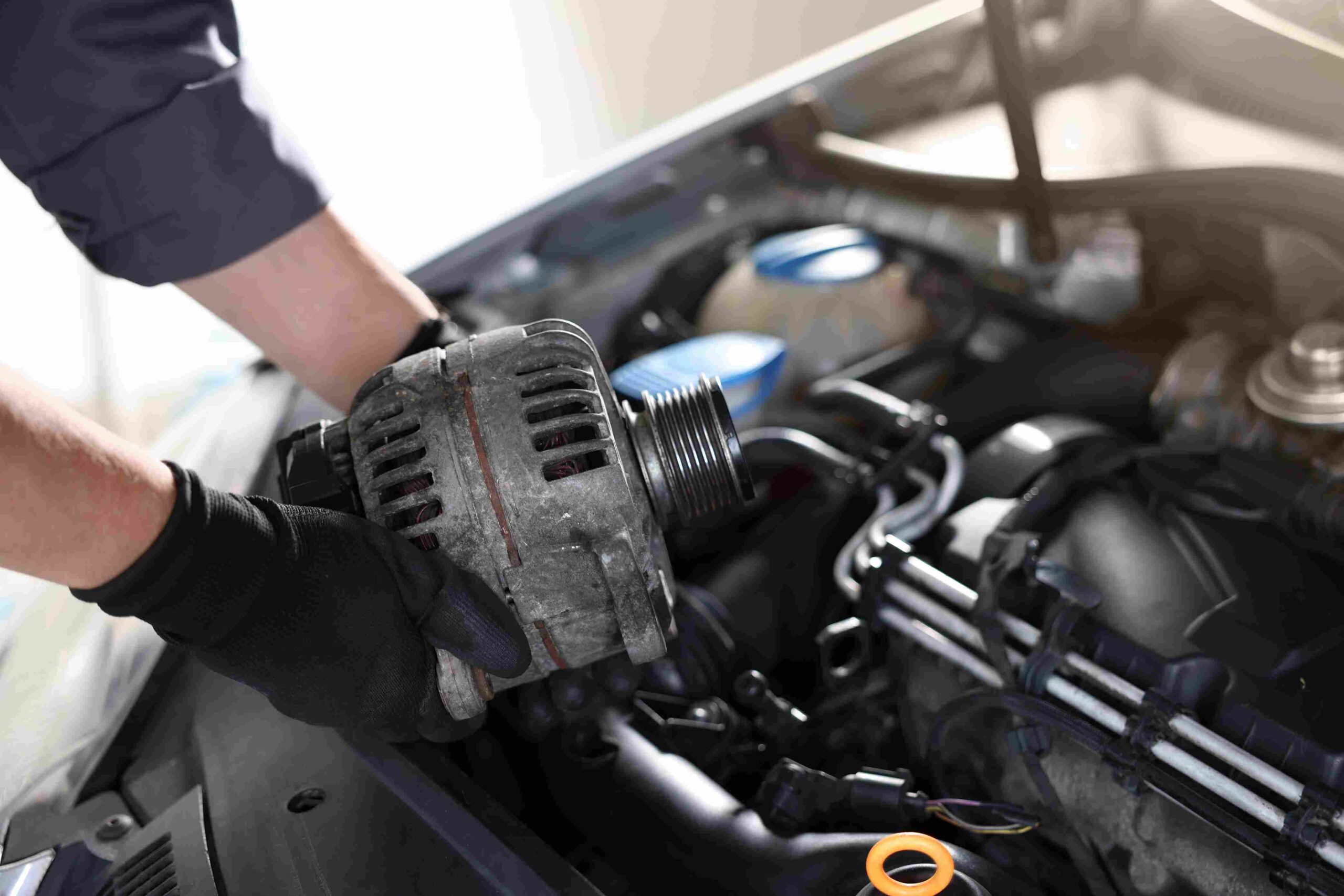
DIY Replacement
DIY replacement can lower total cost by removing labor expenses. Savings usually range between $100 and $300, depending on the vehicle and complexity of the job.
- Basic mechanical knowledge and familiarity with engine components
- Proper tools, including sockets, wrenches, and possibly a belt tensioner tool
- Ability to correctly diagnose alternator failure
Risks should be considered before starting. Incorrect installation can lead to charging issues, electrical damage, or safety hazards. Misdiagnosis may result in unnecessary replacement while the actual problem remains unresolved.
Professional Service
Professional service offers a higher level of reliability due to experience and proper diagnostic procedures. Technicians can confirm alternator failure and check related systems to ensure a complete repair.
- Access to advanced diagnostic tools
- Reduced chance of installation errors
- Efficient completion time
Professional assistance is strongly recommended for vehicles with tight engine compartments or designs that require removing multiple components to access the alternator.
Summary
Alternator replacement usually costs between $700 and $1,000 on average, though total expenses can vary widely. Vehicle type, part quality, and labor complexity remain the main cost drivers.
Early diagnosis can prevent additional damage to the battery and electrical system.
Choosing between DIY and professional service depends on skill level and the complexity of the vehicle.