
The Ford F-150 has been America’s best-known full-size pickup for decades, and for good reason. It can tow, haul, commute, and serve as a work truck better than a lot of rivals.
Even so, long popularity creates a long paper trail. When a truck sells in huge numbers across many generations, patterns start to show up in owner complaints, technical service bulletins, recalls, and reliability surveys.
For shoppers, owners, and anyone comparing used-truck options, the real question is not whether the F-150 has problems. Every truck does. The better question is which problems show up most often, which model years get hit hardest, and which issues are annoying versus expensive or safety-related.
There are a few recurring themes: transmission behavior, cam phaser noise on some EcoBoost trucks, oil consumption on some 5.0 V8 models, four-wheel-drive front hub problems, door latch failures in cold weather, and a growing list of software and electronics complaints on newer trucks.
Common Ford F-150 Issues by Era
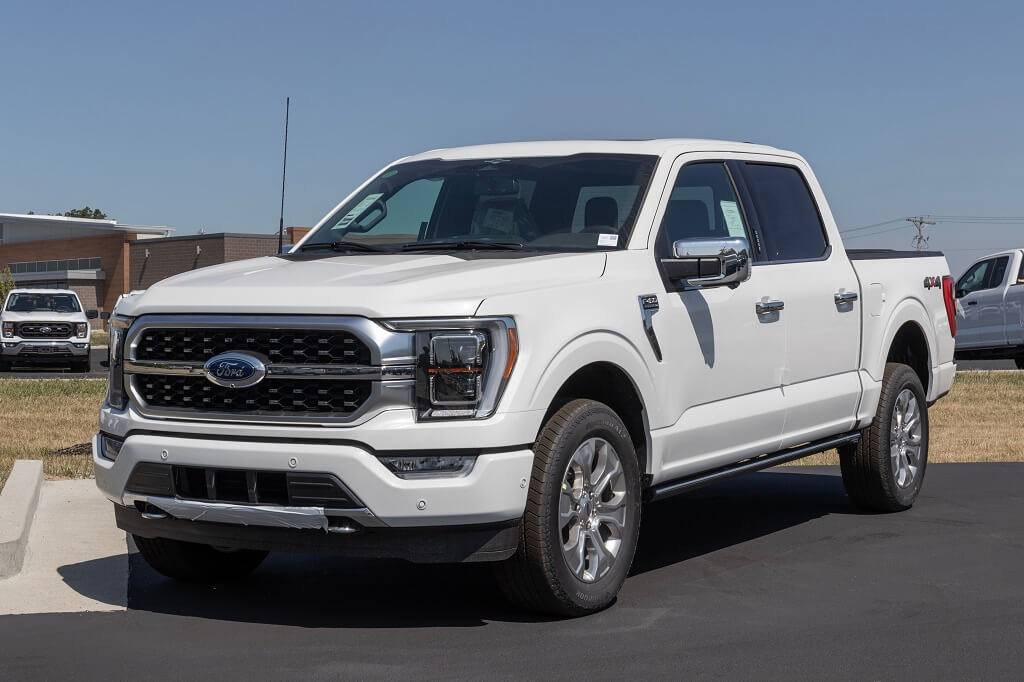
| F-150 era | Common owner-reported issues | Why it matters |
| 1997 to 2004 Heritage | Fuel tank strap corrosion, spark plug and engine complaints on some older V8 trucks, window regulator complaints | Age-related wear mixes with known design weaknesses on older trucks |
| 2011 to 2014 | Sudden transmission downshift concerns tied to lead frame issues on some trucks | Safety concern because some owners reported abrupt deceleration |
| 2015 to 2017 | Frozen or inoperative door latches in cold weather | Can create a door that will not close or may open while driving |
| 2017 to 2020 | 10-speed harsh shifting, cam phaser rattle on some 3.5L EcoBoost trucks | Among the most repeated modern F-150 complaints |
| 2018 to 2020 | 5.0L oil consumption on some trucks | Can lead to repeated top-offs and owner frustration |
| 2021 to 2025 | Camera, wiper motor, parking brake wiring, and some axle-related recall issues | More electronics and more recall-driven ownership headaches |
The table above compresses a lot of history, but it matches the strongest patterns seen in official documents and owner-report sources.
CarComplaints flags 2018 as the worst model year overall and lists engine trouble as the worst problem category across the model line, while NHTSA and Ford service documents show distinct problem clusters by generation.
The 10-Speed Transmission is One of the Biggest Modern Complaints
Among late-model F-150 complaints, the 10-speed automatic comes up again and again. Owners often describe harsh shifts, delayed engagement, clunky low-speed operation, gear hunting, or rough transitions between lower gears.
A complaint does not always mean the transmission is failing outright. In many cases, the issue involves calibration, valve body behavior, adaptive shift logic, or internal hydraulic problems. Still, repeated owner frustration has made the 10-speed one of the biggest talking points in F-150 circles.
Ford service information filed with NHTSA shows multiple bulletins covering harsh or delayed shifting for 10R80-equipped vehicles, including F-150 applications. One 2023 bulletin covers 2017 to 2020 F-150 trucks and includes steps such as reprogramming and, in some cases, overhauling the main control valve body.
A later 2025 bulletin also references hydraulic circuit leakage and CDF clutch cylinder replacement procedures in affected F-150 applications. That does not prove every truck will fail, but it does confirm Ford had enough field experience to issue extensive repair guidance.
Consumer Reports owner comments for the 2018 and 2019 F-150 also point in the same direction. CR’s 2018 reliability page includes owner references to known 10-speed transmission trouble, while owner material on adjacent years continues to reflect shifting and drivability complaints.
What Owners Usually Notice
Common descriptions include:
- A hard 1-2 or 3-4 shift
- A lag when pulling away from a stop
- Sudden clunks at parking-lot speeds
- Gear hunting on light throttle
- Rough behavior that improves after software updates, then returns later
Symptoms like that can come from more than one cause, which is why used-truck shoppers should not assume every rough-shifting F-150 needs a full transmission. Service history matters more than first impressions.
Cam Phaser Noise on 3.5L EcoBoost Trucks
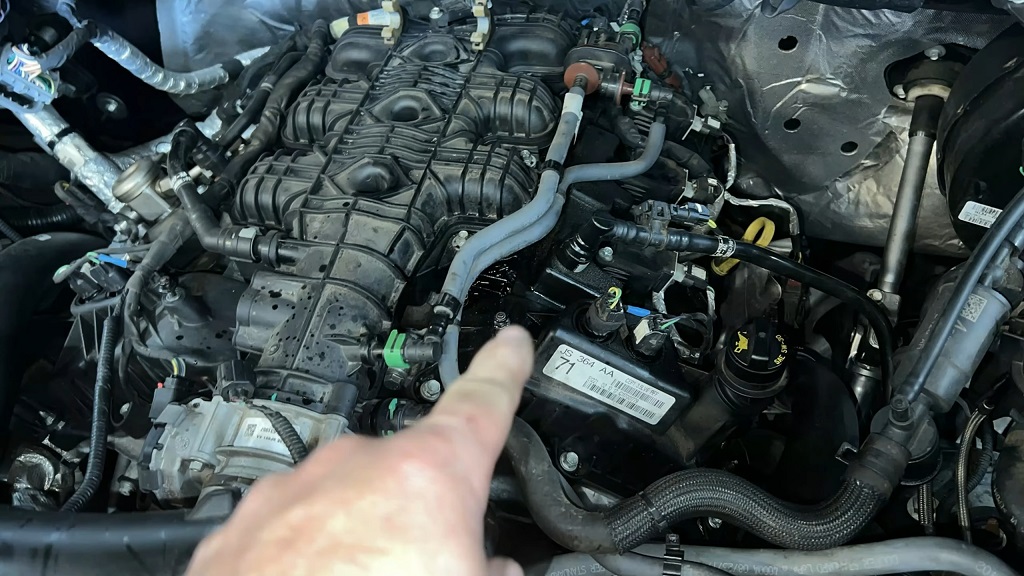
Few modern F-150 topics generate more owner anxiety than cam phasers. On certain 3.5L EcoBoost trucks, owners have reported a rattle at startup, often after the truck has been sitting.
Ford acknowledged the issue in service bulletins covering 2017 to 2020 F-150 trucks built on or before November 30, 2019. Ford also ran customer satisfaction actions tied to powertrain control module updates and limited cam phaser extended coverage on some affected vehicles.
Why does the issue matter so much? Partly because the sound is alarming. Owners hear a sharp rattle on startup and immediately fear major engine damage.
Ford’s customer program language said cam phaser noise did not affect safety, emissions, or performance by itself, but owner concern stayed high because repair costs outside warranty could be substantial and the repair is labor-heavy.
How It Usually Shows Up
A typical pattern looks like one or more of the following:
- Brief rattle on cold start
- Noise that gets worse over time
- Reappearance after an earlier software fix
- Check engine light in some cases, though not always
For a used F-150 with the 3.5L EcoBoost, a clean cold start and documented repair history are worth paying close attention to.
5.0L V8 Oil Consumption Complaints
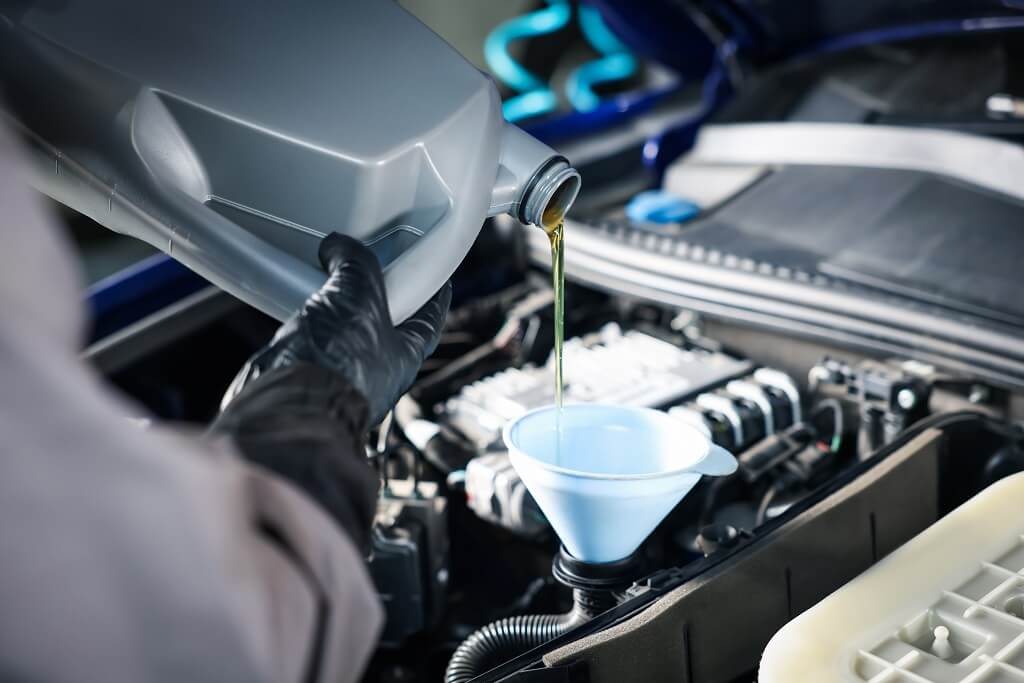
Owners who chose the 5.0L Coyote V8 often wanted simplicity and long-term durability. For a number of 2018 to 2020 F-150 owners, the surprise came from oil use rather than outright mechanical failure.
Ford issued technical service bulletins for excessive oil consumption on 2018 to 2020 F-150 trucks equipped with the 5.0L engine, stating that some vehicles may consume more than 1 quart in 3,000 miles or more than 1 quart in 4,800 km depending on bulletin version and market wording.
For owners, the problem can feel vague at first. A truck runs normally, but the oil level drops between changes with no visible leak. In some cases, owners only learn about the issue after a warning light, a dipstick check, or repeated service visits.
Ford’s service literature shows that the company had a structured diagnostic and repair process for affected trucks.
Oil consumption is one of those problems that may never turn into catastrophic failure, but it can become a steady source of irritation, especially for people using the truck hard, towing often, or assuming a newer V8 should not need frequent top-offs.
Four-Wheel-Drive Grinding and IWE Problems
A long-running F-150 complaint, especially on older four-wheel-drive trucks, involves grinding or ratcheting noises from the front end. Ford service bulletins tie many of those complaints to partial engagement of the integrated wheel ends, usually shortened to IWE.
Bulletins covering a wide model span, including 2006 to 2020 F-150 trucks in certain configurations, describe grinding, clicking, or ratcheting noises from the front axle area and outline inspection and repair steps involving vacuum lines, check valves, or IWE components.
From an owner’s point of view, the complaint often sounds worse than it is. Drivers describe a grinding noise while cruising in 2WD, often intermittent, sometimes affected by weather or vacuum leaks. In some trucks, the fix is straightforward.
In others, worn parts create a longer repair list. Either way, front-end noise on an F-150 4×4 should never be brushed off as “normal truck sound.”
Frozen Door Latches and Doors That Will Not Close
The 2015 to 2017 F-150 had a very public door-latch problem in cold climates. Ford’s recall documents say a frozen door latch, or a bent or kinked door latch actuation cable, may result in a door that will not open, will not close, or may open while driving.
That became one of the clearest examples of a complaint that crossed from inconvenience into a genuine safety concern.
Ford also issued later service and customer satisfaction material on related cold-weather door latch and cable concerns for additional F-150 populations.
One Ford program document states that water entering the doors in cold temperatures could cause the outside door handle cable to freeze, holding the latch open.
For buyers looking at used 2015 to 2017 trucks, repair verification matters. A truck in a warm state today may still have spent early years in a colder region.
Older Six-Speed Trucks and Sudden Downshift Concerns
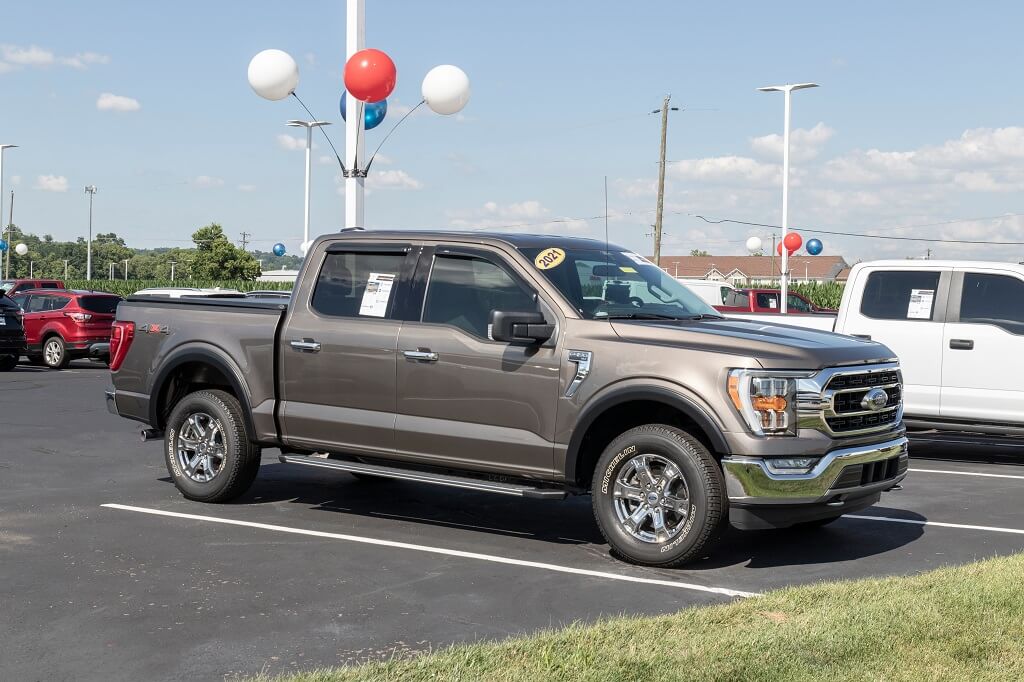
On some 2011 to 2013 F-150 trucks equipped with the 6R80 automatic, NHTSA said it had received 123 reports of sudden transmission downshifting.
The agency noted complaints alleging unexpected downshifts without driver input, causing the vehicle to slow suddenly, and some owners alleged rear tire skid or lockup.
Ford also extended coverage on the molded lead frame in certain trucks to 10 years or 150,000 miles under a customer satisfaction program.
Not every 2011 to 2013 truck has the issue, and many remain on the road without drama. Even so, for used-truck shopping, the presence or absence of lead frame repair history should be treated as a serious item rather than a minor footnote.
Newer F-150s Bring More Electronics, and More Electronic Complaints
As the F-150 became more advanced, owner complaints shifted partly from mechanical hardware toward electronics and software. Backup cameras, parking brake wiring, wiper motor failures, battery drains, infotainment glitches, and sensor faults all show up more often in newer-truck ownership stories.
Some of that comes with the territory. A truck carrying more driver-assistance systems, more screens, and more modules has more ways to act up.
A 2025 NHTSA recall report says the agency contacted Ford regarding allegations of rear-view camera complaints on 2021 to 2023 F-150 vehicles.
Associated recall material says the image may delay, freeze, or not display. AP reported Ford recalled more than 1 million vehicles over the broader rearview camera software issue, including F-Series trucks.
Ford also recalled certain 2021 to 2022 F-150 trucks for wiper motor problems that could reduce or eliminate visibility in bad weather.
Separate recall material for certain 2021 to 2022 trucks describes rear axle wire harness chafing that could damage electric parking brake wiring and potentially lead to inadvertent parking brake application while driving.
What Owners Tend to Report on Newer Trucks
Common complaint themes include:
- Blank, frozen, or delayed rear camera image
- Random infotainment glitches
- Intermittent sensor warnings
- Wiper failures
- Parking brake system faults
- Battery drain and module communication issues
A lot of modern-truck headaches never strand the owner, but they can create repeat dealer visits, software updates, and plenty of aggravation.
Rear Axle and Driveline Recall Problems on Some Recent Trucks
Recent F-150 recalls also show that rear-axle-related issues deserve attention on certain trucks. Ford recall material tied to certain 2021 to 2022 F-150 vehicles says a fractured rear axle bolt can allow axle housing movement, severe noise and vibration, and in worst cases loss of transmission torque to the rear wheels.
Ford later expanded attention to wheel-end hub bolt and spline issues on certain 2021 to 2025 trucks with specific heavy-duty axle and tow-package configurations. Recall documents warn of loss of drive power or rollaway risk if the parking brake is not applied.
For most F-150 owners, that will never become relevant because the population is specific. For buyers eyeing Max Tow or heavy-duty axle trucks, though, recall completion is essential.
Very Old F-150 Trouble Spots Still Matter in the Used Market
Plenty of older F-150s remain in service, especially in rural areas, on farms, or as lower-cost work trucks. For old trucks, a problem pattern can remain relevant long after headlines fade.
Ford’s fuel tank strap recall for certain 1997 to 2003 F-150 trucks and 2004 F-150 Heritage models warned that strap fracture in corrosion states could let the tank contact the ground and potentially leak, creating a fire risk.
Owner-report databases also keep older complaints visible. CarComplaints lists 2018 as the worst F-150 year overall, but older trucks such as the 2004 model still stand out for sheer complaint volume, with window and engine problems especially common in public owner reporting.
That is a useful reminder that age alone does not make an older F-150 safer or simpler to own. Sometimes it only makes the repair list longer.
Which F-150 Years Deserve the Most Caution?
A cautious buyer should look harder at a few zones rather than assume all F-150 years are equal.
Higher-Caution Years and Patterns
- 2011 to 2013 – Lead frame and sudden downshift history on certain six-speed trucks.
- 2015 to 2017 – Door latch concerns in freezing conditions.
- 2017 to 2020 – 10-speed complaints and 3.5L cam phaser issues.
- 2018 to 2020 – 5.0L oil consumption complaints on some V8 trucks.
- 2021 to 2025 – More electronics-related recall exposure, plus certain axle and parking-brake-related recall items.
None of that means every truck from those years should be avoided. It means buyers should go in with sharper questions and better inspection priorities.
What Smart Buyers and Owners Should Check
A used F-150 can still be a very good truck if the right repairs were done and the owner kept records. Before buying, focus on paperwork as much as the test drive.
Check the Basics First
- Run the VIN through NHTSA’s recall lookup
- Review dealer or independent service history
- Listen for cam phaser rattle on cold start
- Watch transmission behavior from a full stop and at low speeds
- Check oil level and ask whether oil consumption was ever documented
- Test 4WD engagement and listen for front-end grinding
- Test camera, wipers, parking brake, and infotainment functions
- Confirm recall repairs rather than assuming they were done
FAQs
Final Thoughts
The Ford F-150 remains a capable, often excellent truck, but owner reports show clear weak spots. Older trucks bring corrosion, fuel tank, window, or transmission concerns. Mid-2010s trucks raise door latch worries.
Late-2010s and early-2020s models are more likely to be judged by transmission behavior, cam phasers, oil use, and electronics.
The best F-150 purchase is rarely about picking a badge alone. It comes down to model year, engine, transmission, recall status, and whether past repairs were handled well.