
Clicking noise during turns is a common issue noticed in many vehicles, especially at low speeds, such as parking or making tight corners. Sound often points to wear in drivetrain or suspension components that handle movement and steering forces.
Early diagnosis matters because minor wear can quickly progress into more serious mechanical damage.
Main concern centers on identifying the exact source of the noise, with a frequent suspicion being a failing CV joint or another nearby component.
The Most Common Cause of CV Joint Problems
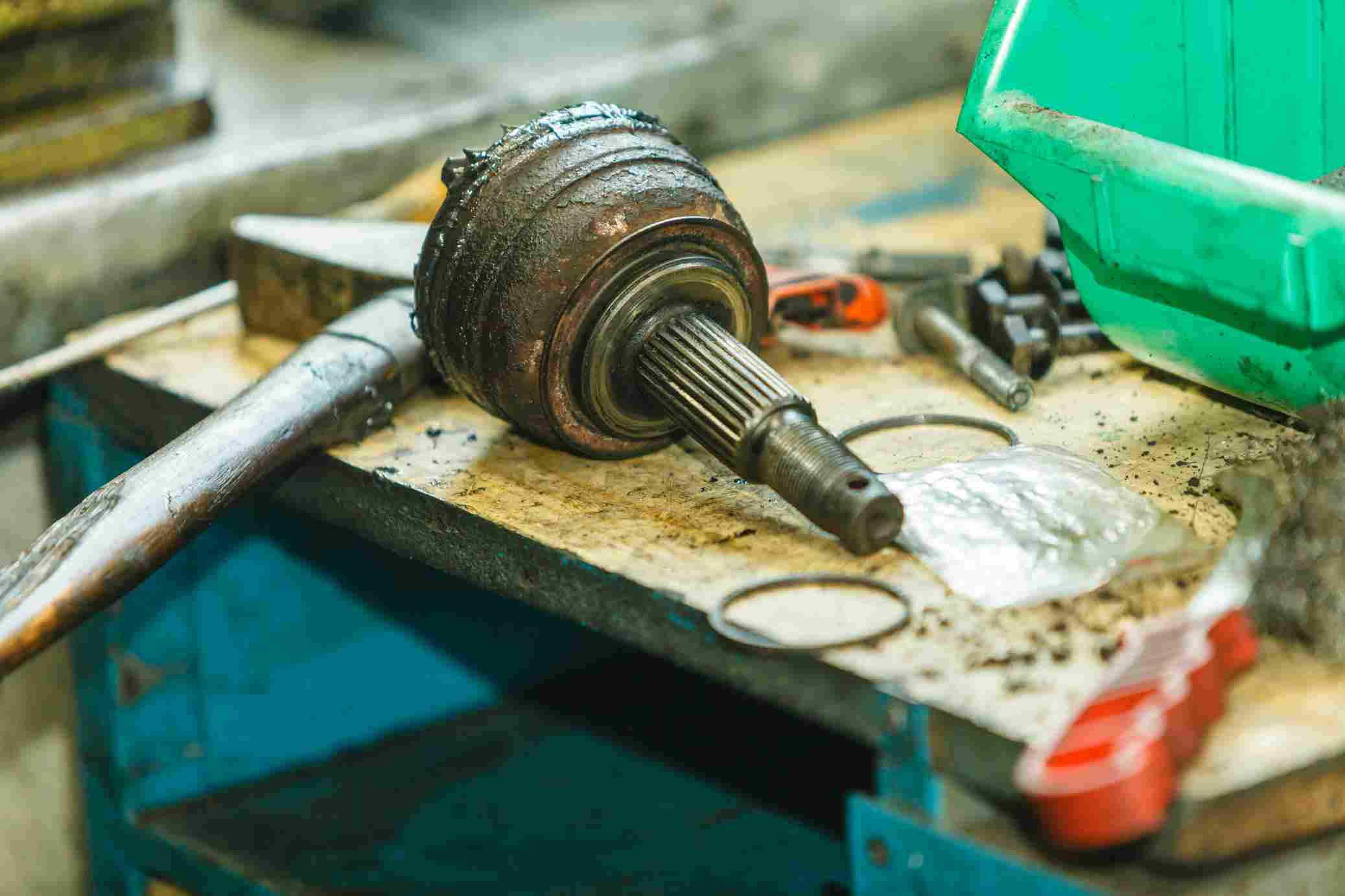
Constant Velocity joints connect the transmission system to the wheels and allow smooth power delivery. Design allows movement with suspension travel while also handling steering angles. Front-wheel drive vehicles rely heavily on these joints, and many all-wheel drive systems use them as well.
- Outer CV joints handle steering angles and are subjected to higher stress during turns
- Inner CV joints manage suspension movement and absorb changes in axle length
Why CV Joints Click
A clicking sound usually results from worn internal components such as bearings or races inside the joint.
Internal surfaces degrade over time, creating small gaps that produce noise when load shifts during rotation. Noise becomes more noticeable during turns because the joint operates at sharper angles and higher stress.
Outer CV joints tend to fail more often due to increased load during steering.
- Sharp turns that place maximum angle on the joint
- Acceleration while turning, increasing torque load
- Low-speed maneuvers where sound is easier to hear
Root Causes of Failure
Damage rarely occurs suddenly and is usually the result of gradual deterioration combined with environmental exposure. A damaged CV boot represents a primary cause of joint failure.
A rubber boot can crack or tear over time, allowing grease to leak out and contaminants like dirt or water to enter.
Loss of lubrication leads to metal contact inside the joint. Contamination accelerates internal wear and shortens component life.
- Aging rubber that becomes brittle and prone to cracking
- Exposure to road debris, salt, and moisture
- High mileage leading to natural wear of internal components
- Aggressive driving patterns such as frequent sharp turns or sudden acceleration
Key Symptoms of a Failing CV Joint
Early signs often begin with subtle noises and progress into more noticeable performance issues. Repetitive clicking or popping noise during turns, especially sharp ones, is a clear sign.
Sound often increases during acceleration while turning. Grease may be visible around the inner edge of the tire or inside the wheel well.
- Vibrations felt through the steering wheel or vehicle body
- Knocking sounds even during straight-line driving
- Reduced smoothness in power delivery
- In severe cases, loss of drive to the affected wheel
Other Possible Causes (Not CV Joint)
Clicking noise does not always originate in the CV joint. Several other components in the suspension, steering, and wheel systems can produce similar sounds, making accurate diagnosis important.
Mechanical systems in a vehicle operate together, so wear in one area can create noise that seems to come from another location.
Careful inspection is necessary to avoid replacing the wrong part and to ensure the actual source of the problem is addressed.
Suspension Components
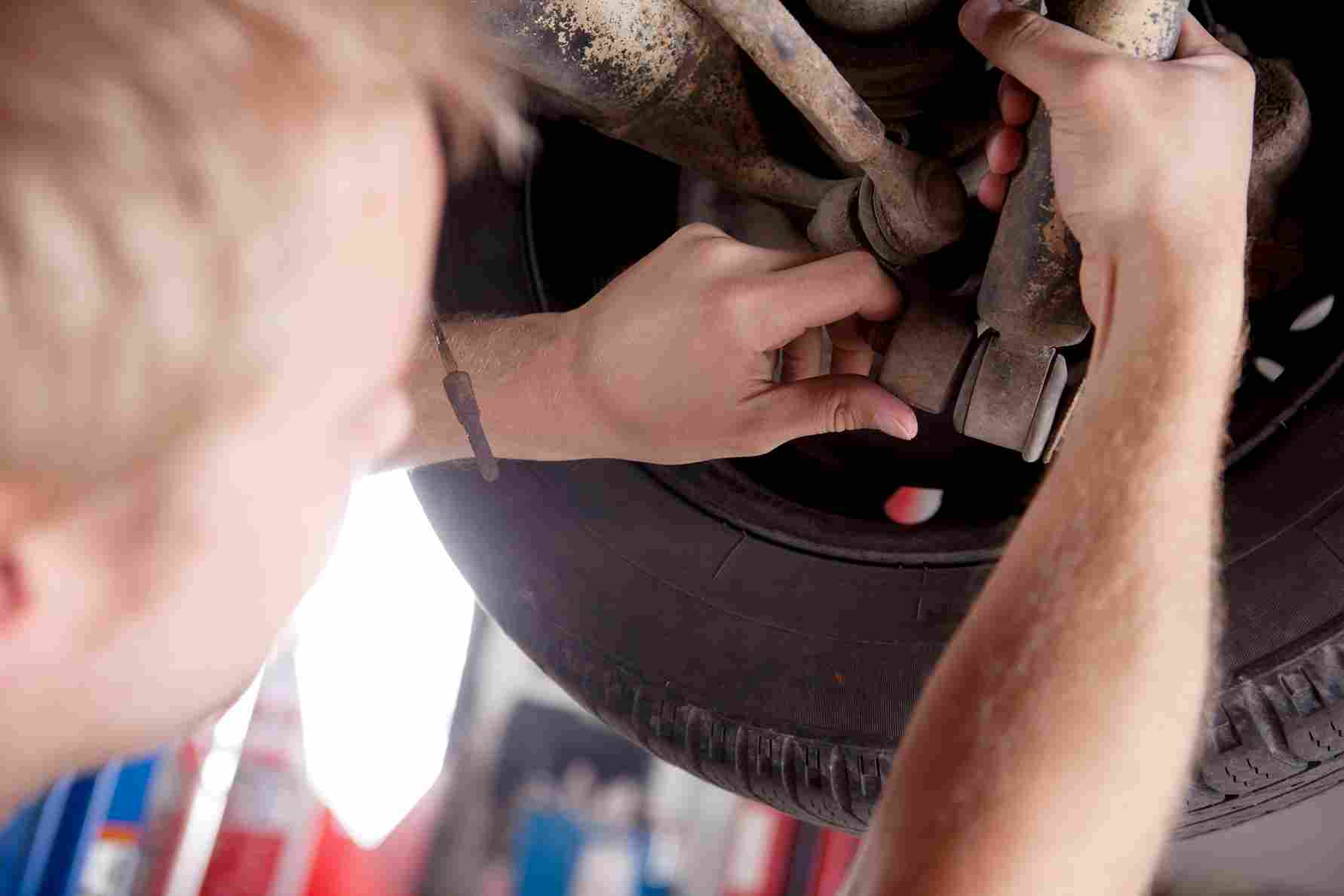
Suspension parts absorb road impact and maintain tire contact with the road. Constant exposure to bumps, weight shifts, and road irregularities causes gradual wear in these components.
As clearances increase or materials degrade, movement that was once controlled becomes loose, leading to noise during turning or braking.
Ball joints often create a clunking or clicking sound when internal wear allows excessive movement. Steering may feel less stable, and uneven tire wear can develop due to improper alignment caused by looseness.
Strut mounts can produce popping or clicking sounds during steering input, especially when the steering wheel is turned at low speeds. Internal bearings in the mount may bind or shift, creating noise as the suspension rotates.
Control arm bushings can also generate clicking or knocking sounds when the rubber deteriorates or separates from its housing. Load changes during acceleration, braking, or turning can cause these worn bushings to shift slightly, producing noise.
Steering System Issues
Steering components translate driver input into wheel movement and must remain tight and responsive for proper control. Wear or looseness in these parts can result in noticeable sounds, especially during direction changes. Even small amounts of play can produce clicking or knocking as forces shift through the system.
Tie rod ends are a common source of noise when internal joints wear out.
Looseness allows slight movement before the wheel responds, creating a clicking or knocking sensation during turns. Steering may also feel less precise, and alignment issues may become noticeable.
Steering rack wear can lead to noise during steering input as internal gears and bushings degrade. In some cases, fluid-related issues in hydraulic systems can contribute to irregular movement and sound.
Alignment problems may not directly create noise but can increase stress on steering components, accelerate wear, and lead to audible symptoms over time.

Wheel and Brake Components
Wheel and brake systems operate continuously and are subjected to constant rotation, heat, and friction.
Even minor irregularities can produce repeating or intermittent noises that may resemble CV joint issues. Sound patterns often change with speed or braking input, which can help narrow down the source.
Loose lug nuts can create a repeating clicking sound as the wheel shifts slightly with each rotation. This condition can become dangerous if not corrected, as it may lead to wheel instability.
Brake-related issues such as stuck calipers or unevenly worn pads can produce intermittent clicking or light knocking sounds.
Heat expansion and contraction can also influence how components move, adding to the noise. Wheel bearings typically produce a humming or grinding sound as they wear, but in certain cases, damage or irregular wear patterns can cause clicking.
Noise may change with vehicle speed or when turning, as load shifts between bearings.
Axle and Driveline Issues
Axle and driveline components are responsible for transferring power while maintaining proper balance and alignment. Any irregularity in these parts can create sounds that closely resemble CV joint failure.
Diagnosis can be challenging because these components operate under similar conditions and loads.
Worn or damaged axle shafts can produce clicking or knocking sounds, especially under load. Structural damage or wear can lead to slight misalignment, causing uneven rotation. Improper installation or imbalance in driveline components can also result in noticeable noise during acceleration or turning.
Vibrations may accompany the sound, indicating a deeper issue with balance or alignment. Driveline misalignment can affect how power is transferred, leading to irregular movement and noise as components attempt to compensate for uneven forces.
How to Differentiate the Cause
Accurate identification depends on observing when and how the noise occurs. Careful attention to sound patterns, driving conditions, and physical signs can narrow down the source.
Sound Characteristics
Different components produce distinct types of noise, which can help isolate the issue.
- Rapid, rhythmic clicking during turns strongly indicates a CV joint
- Single clunk during turning or braking often points to suspension wear
- Grinding or humming sounds suggest wheel bearing problems
When the Noise Occurs
Timing and driving conditions provide strong clues about the source of the issue. Noise during sharp turns suggests an outer CV joint problem.
Sound during acceleration while turning indicates load-related stress on the joint. Low-speed maneuvers such as parking or U-turns commonly reveal CV joint issues.
- Only during tight turns, often linked to outer CV joints
- During acceleration, indicating torque-related stress
- During straight driving, suggesting advanced damage or alternative components
Visual and Physical Inspection
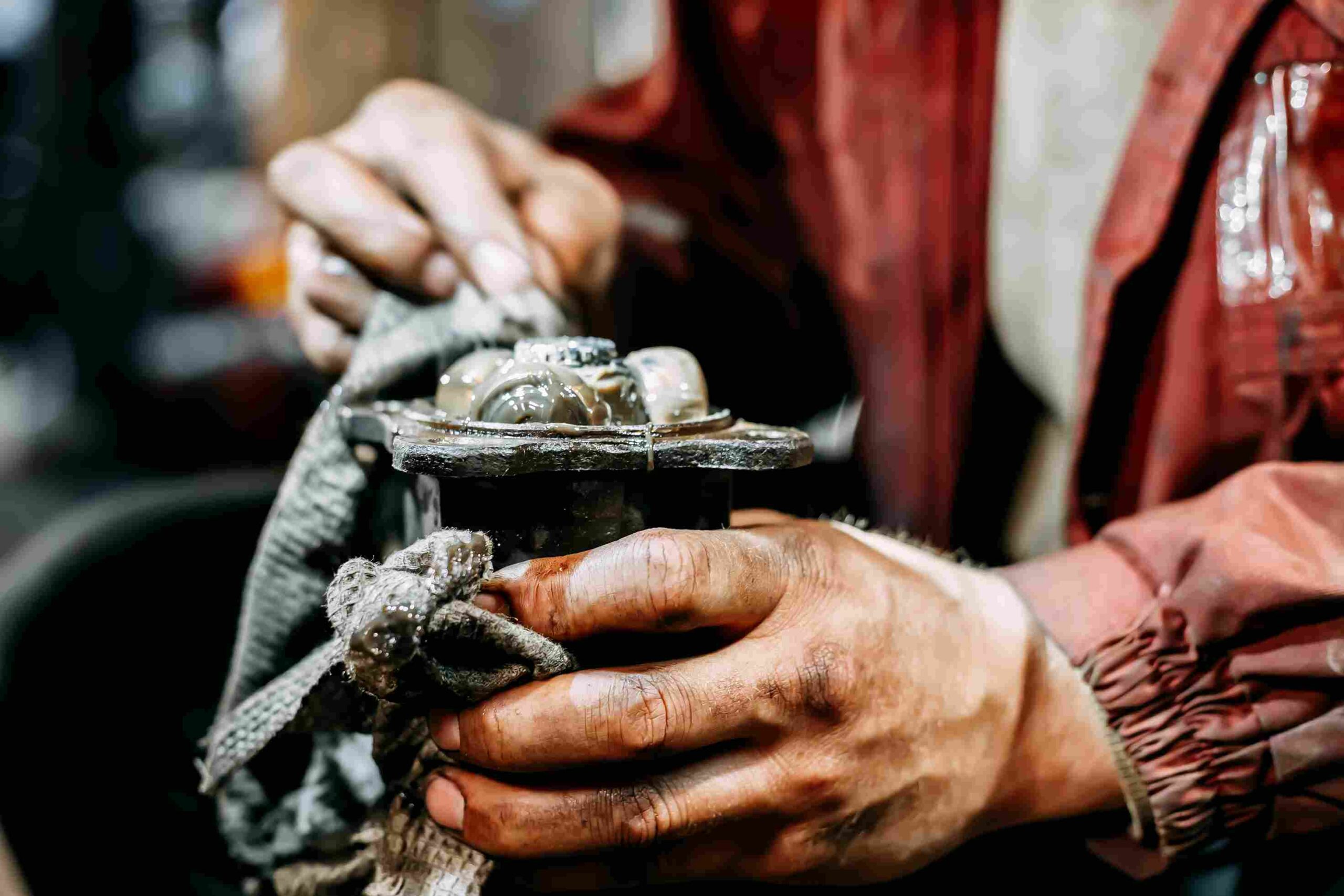
Physical inspection provides direct evidence of wear or damage. Inspection of CV boots should focus on cracks, tears, or grease leakage.
Under-vehicle checks can reveal loose or worn suspension components. Grease splatter around wheels is a strong indicator of CV joint failure.
- Checking for grease around the wheel well or suspension area
- Examining boots for visible damage or leakage
- Testing steering play to detect looseness in joints
- Listening closely to locate the exact origin of the noise
The Bottom Line
Clicking during turns most often points to a failing CV joint, especially the outer joint. Similar sounds can also originate in suspension, steering, or wheel components.
Accurate diagnosis is essential to ensure correct repair and prevent unnecessary part replacement.