
For many vehicles, a basic A/C service or moderate repair often lands somewhere around a few hundred dollars.
ConsumerAffairs reported average A/C service pricing for sample vehicles in the low $400s to low $500s, while several repair-cost trackers and service shops place common overall repair ranges in a similar band before major parts fail.
Once the compressor, condenser, or evaporator enters the picture, the price can climb sharply. Here is a practical snapshot of what drivers often see in the U.S.:
| Repair or Service | Typical Cost Range |
| A/C inspection and performance check | $100 to $250 |
| Refrigerant recharge | $150 to $300 |
| Leak detection and minor leak repair | $200 to $600 |
| Blower motor replacement | $250 to $650 |
| Condenser replacement | About $800 to $935 average |
| Compressor replacement | About $1,004 to $1,356 average |
| Evaporator replacement | About $1,292 to $1,819 average |
Table ranges combine national estimator data and recent service-market reporting. Actual pricing can run higher for luxury vehicles, hybrids, EVs, or models with tight engine-bay packaging.
Why Some A/C Repairs Stay Cheap and Others Get Expensive
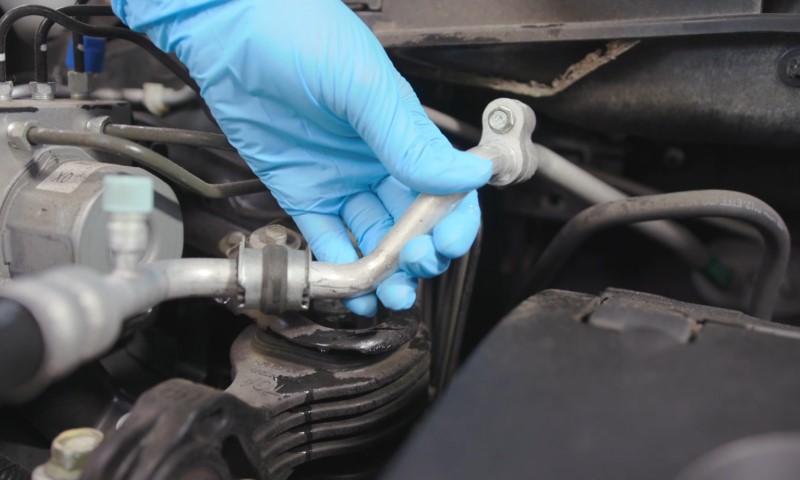
A/C systems look simple from the driver’s seat. Cold air comes out, or it does not. Behind the vents, though, several components have to work together: compressor, condenser, evaporator, expansion device, pressure sensors, hoses, seals, blower, and refrigerant. A problem at any point in that chain can affect cooling.
Labor Time Changes the Bill More Than Many Drivers Expect
Labor is often the hidden reason one repair feels manageable while another feels punishing. A condenser may sit near the front of the vehicle and be relatively accessible. An evaporator, by comparison, is often buried behind the dashboard.
That alone can add many labor hours, which is one reason evaporator replacement routinely costs far more than the part itself. RepairPal’s national estimates show labor dominating evaporator jobs far more heavily than condenser jobs.
Refrigerant Type Matters
Older vehicles commonly use R-134a. Many newer vehicles use HFO-1234yf, a lower-global-warming refrigerant that EPA has described as a climate-friendlier alternative for motor vehicle air conditioning.
HFO-1234yf systems often cost more to service because the refrigerant itself is pricier and shops need approved equipment and trained technicians to handle motor vehicle A/C systems legally.
A Recharge Alone Rarely Solves the Real Problem
A car A/C system does not “use up” refrigerant the way a fuel tank empties. If the refrigerant is low, a leak is often part of the story.
AAA advises drivers to have weak cooling checked professionally because technicians need to inspect pressures, temperatures, lines, connections, and system condition before guessing. In other words, a cheap recharge or overcharged AC can become wasted money if the leak remains.
The Repairs Drivers See Most Often
View this post on Instagram
When a car’s A/C stops working properly, a handful of repair issues tend to show up far more often than others, and each one comes with its own cost pattern, symptoms, and repair approach.
Refrigerant Leak and Leak Repair
Leaks are among the most common reasons a car stops blowing cold air. Seals age, O-rings shrink, hoses crack, condensers take road-debris hits, and evaporators can corrode over time. Minor leak repairs may stay in the low hundreds.
Major leak-related repairs, especially when the leak sits inside the evaporator core or condenser, can reach well above $500 and sometimes much more.
A common real-world pattern goes like this:
- Driver notices cooling gets weaker over several weeks
- Shop finds low refrigerant
- Dye or electronic testing points to a leaking condenser
- Condenser replacement, evac, recharge, and shop supplies push the total near $800 to $1,000
That kind of repair is common enough that national averages for condenser replacement now sit in roughly that zone.
Compressor Replacement
The compressor is one of the costliest failures in the system. It circulates refrigerant and keeps pressure moving where it needs to go. When it fails, cooling can disappear completely, noise may show up when the A/C engages, and debris from internal damage can contaminate the rest of the system.
Once that happens, shops may recommend extra parts like a receiver-drier, expansion valve, or line flush, which pushes the bill further. RepairPal puts average compressor replacement between $1,004 and $1,356 nationally.
For some vehicles, market-based estimates run even wider. ConsumerAffairs found average A/C service in the $430 to $521 range for sample vehicles, but noted compressor replacement was far more expensive.
Several repair-cost publishers place major compressor jobs near $1,300 to $2,500 or higher, depending on vehicle type.
Evaporator Replacement
Few A/C repairs frustrate owners more than an evaporator failure. The part may not be outrageously expensive by itself, yet access often requires major dashboard disassembly. Labor becomes the story.
RepairPal’s estimate shows average labor for evaporator replacement running far above the parts cost alone, which helps explain why totals can push beyond $1,500 without much drama.
Blower Motor, Filter, and Airflow Problems
Not every A/C complaint comes from the refrigerant side. Weak airflow can come from a failing blower motor, a clogged cabin air filter, a blocked evaporator, or control-door issues in the HVAC box.
Repairs in that category can cost far less than a compressor or evaporator job, though diagnosis still matters.
AAA notes that technicians check blower function and air movement as part of a proper A/C evaluation.
Signs the Problem May Be Growing
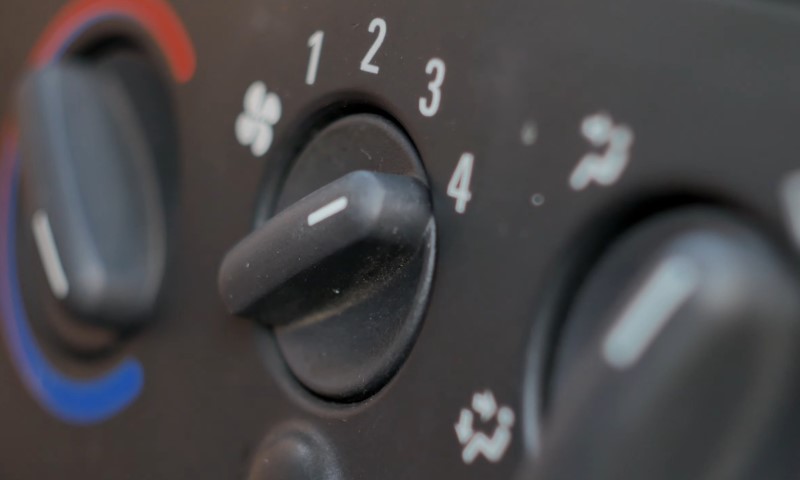
Drivers often save money by acting early. A/C systems usually give warning signs before a full failure:
- Air is cool at highway speed but warm at idle
- Cooling fades gradually over days or weeks
- You hear clicking, squealing, or rattling when A/C turns on
- Airflow is weak even with the fan turned up
- A musty smell comes from the vents
- Water drips inside the cabin or the carpet feels damp
AAA says weak cooling should be checked before more damage develops, and a range of repair shops cite weak airflow, warm air, unusual noise, and odor as common signals that the system needs diagnosis.
Why Newer Cars Can Cost More
Newer vehicles often carry higher A/C repair costs for a few reasons. Refrigerant may be HFO-1234yf rather than R-134a. Packaging is tighter, so labor goes up. Sensors and electronically controlled climate systems add more diagnostic steps.
Some luxury models also require brand-specific procedures or pricier original equipment parts. EPA rules also require certified technicians and approved recovery equipment when servicing motor vehicle A/C systems for payment, so shops have compliance costs built into pricing.
How to Read an A/C Estimate Without Getting Lost
A good estimate usually breaks the job into separate pieces. Look for:
Diagnosis
A/C diagnosis is not fluff. Shops may need pressure testing, leak tracing, dye inspection, temperature readings, refrigerant recovery, and electronic checks before naming the failed part. That time costs money, but it often prevents the wrong repair.
Parts
Ask whether the shop is using OEM, aftermarket, or remanufactured parts. Compressor quality matters.
A bargain compressor that fails early can lead to a second repair bill and possible contamination cleanup.
Refrigerant and Materials
Refrigerant, oil, seals, and shop supplies are often listed separately. On newer cars, refrigerant charges can sting more than many owners expect because HFO-1234yf remains materially more expensive than earlier refrigerants.
Related Repairs
When a compressor fails internally, the shop may recommend flushing the system or replacing other contamination-sensitive parts.
That can feel like upselling, yet in many cases it is standard practice to avoid sending debris into the new component.
How Drivers Can Keep the Cost Under Control
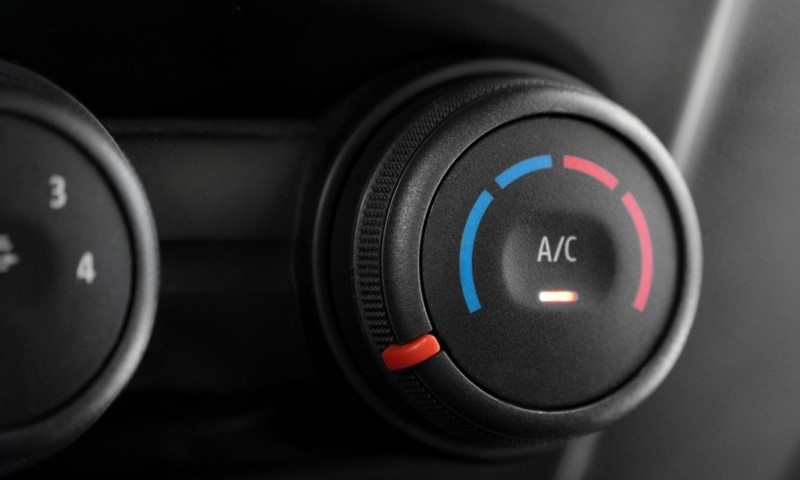
You cannot avoid every failure, but a few habits help:
- Run the A/C regularly, even in cooler months, to keep seals lubricated
- Fix weak cooling early instead of waiting for total failure
- Replace the cabin air filter on schedule
- Keep condenser fins clear of debris when possible
- Ask for an itemized estimate before approving major work
- Get a second opinion on very high quotes, especially for compressor jobs
AAA also advises choosing qualified professionals with automotive HVAC experience and asking about estimates and warranties before work begins.
When Paying More Makes Sense
The cheapest repair is not always the smartest one. A low quote that skips leak testing, uses poor-quality parts, or ignores contamination risk can lead to another breakdown in a few weeks.
For an older car worth only a few thousand dollars, a $1,800 evaporator repair may not pencil out. For a newer vehicle you plan to keep another 5 years, paying for a proper repair can be reasonable.
FAQs
Summary
Car A/C repair costs can range from a modest recharge bill to a four-figure parts-and-labor job. In plain terms, leaks and airflow issues usually sit at the lower end, while compressors and evaporators drive the highest totals.
Part access, refrigerant type, and diagnostic time often explain the gap. Drivers who catch problems early and read estimates carefully usually make better decisions and avoid the worst surprise bills.