
The Chevrolet Silverado has been one of America’s best‑selling full‑size pickup trucks for more than two decades.
Over that time, the truck has gone through four major generations (GMT800, GMT900, K2X, and T1XX) and dozens of running changes, engines, and transmissions.
Every redesign brings improvements but also introduces new trouble spots.
Quick Reference Tables
Worst Silverado Model Years (Common Issues)
Model year(s)
Key problems (short phrases)
2004 – 2005
Intermittent starting & “no‑start” issues, 4WD transfer‑case sensor failure, fuel level sensor & instrument‑cluster failures
2007 – 2011
Active Fuel Management (AFM) lifter failure leading to oil use & engine damage; early GMT900 trucks also saw steering‑shaft clunk and interior electronics failures
2014
K2XX redesign year with a spike of complaints – A/C condenser leaks and odor (84 complaints), electrical problems (~50 complaints); NHTSA reports many brake (444) and steering (417) issues
2015
Transmission shifting hard/shuddering, A/C and heater issues, engine problems; NHTSA still lists brakes as the top issue
2017
Transmission surging/jerking (over 113 complaints), giving the year a “Beware of the Clunker” label; NHTSA cites brake, drivetrain, and engine issues
2019
New T1XX generation: transmission slamming into gear, engine & brakes problems; NHTSA sees drivetrain and electrical issues
2021 – 2024
6.2 L V8 recall – connecting‑rod debris causing catastrophic engine failure in ~600k trucks; Dynamic Fuel Management lifter failures; 8‑ & 10‑speed transmission shudder/lock‑up issues
Most Reliable Silverado Model Years
Model year(s)
Reasons for higher reliability
1999 – 2006
Late GMT800 trucks use simpler engines and fewer electronics; common issues (fuel‑pump and gauge failures) are inexpensive to fix.
2011 – 2013
GM refined the GMT900 platform after early AFM problems; these trucks report fewer complaints and benefit from updated components.
2018
Final year of the K2XX generation; improved A/C condensers and updated 8‑speed transmission; lower complaint counts compared with earlier K2XX years.
2025 (so far)
J.D. Power gives the 2025 Silverado a quality and reliability score of 84/100, and 73 % of owners recommend it; complaint counts remain low, but data are still emerging.
First Generation (1999‑2006 GMT800)
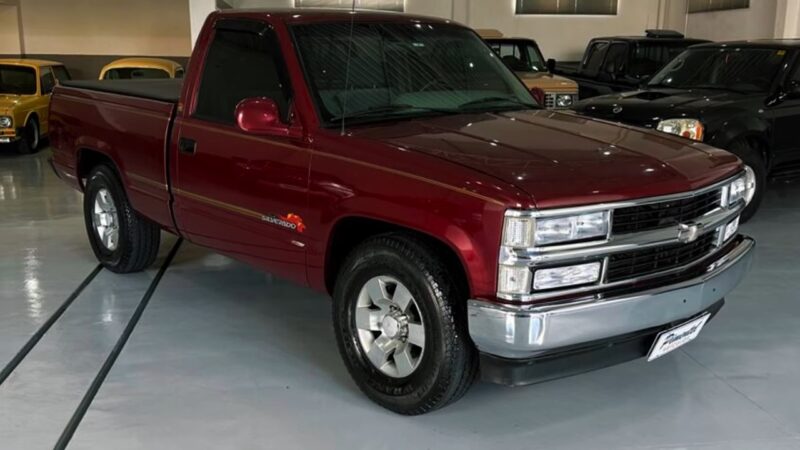
The first‑generation Silverado debuted for 1999 with 4.3‑L V6 and 4.8‑/5.3‑L V8 engines paired with four‑speed automatic transmissions. These trucks gained a reputation for durability, but certain components frequently failed.
1999‑2003: Early models were mechanically simple but still suffered issues such as fuel‑pump failures (no‑start condition), erratic instrument clusters, and 4WD transfer‑case selector switch failures.
RepairPal, which aggregates owner‑reported problems, lists intermittent starting with no response from the starter, transfer‑case position sensor failure, heating/AC air‑door actuator failure, fuel‑level sensor failure, and erratic speedometer/instrument gauges among the most common problems.
Many owners also reported clunking from the intermediate steering shaft and premature wear of the daytime running‑light bulbs.
2004: Complaints peaked in 2004. CarComplaints.com notes that the 2004 Silverado has the highest number of total complaints, though 2009 is rated worse because of higher repair costs.
Typical 2004 issues include the same starting and 4WD sensor problems, plus fuel‑gauge sender failures, instrument‑cluster step‑motor failures, and ABS control modules running after ignition off.
2005‑2006: Later GMT800 trucks introduced electronic throttle control, new front‑end styling, and improved brakes. While reliability improved, recurring problems remained: failing A/C blend‑door actuators, steering‑shaft clunk, window‑motor failures, and fuel‑pump issues.
Rusted brake lines are also common in northern climates; replacing them with stainless lines is a popular fix.
Buying Tips
If you are considering a 1999‑2006 Silverado, look for trucks that have documentation showing replacement of the fuel pump, instrument cluster, and transfer‑case sensor.
Inspect the brake lines and frame for rust, and listen for steering‑shaft clunk. Trucks built after 2004 tend to have fewer complaint counts but still share most of the same wear‑item issues.
Second Generation (2007‑2013 GMT900)
View this post on Instagram
The GMT900 redesign in 2007 brought a stiffer frame, new 5.3‑L and 6.0‑L engines with Active Fuel Management (AFM) cylinder deactivation, updated interiors, and a refined ride.
It also introduced the AFM lifter failure problem, which would plague this generation and beyond.
2007‑2011 (early GMT900) – problematic years: The AFM system can cause lifters to collapse and damage the camshaft, leading to ticking noises, misfires, and heavy oil consumption. A dealership guide notes that lifter failure is the #1 engine problem, especially in 2014‑2024 trucks with 5.3‑ and 6.2‑L engines, but the issue first appeared in 2007‑2011 models with AFM.
These years also suffered from oil‑pressure failures, timing‑chain wear, and A/C condenser leaks. Car dealers and reliability guides list 2007‑2011 among the worst years for the Silverado because of AFM oil use, lifter noise, and costly engine repairs. Other common complaints involve steering‑shaft clunk, cracked dashboards, and interior electronics.
2009: CarComplaints.com actually rates 2009 as the worst Silverado model year because of higher repair costs and problems at lower mileage. However, the site notes that the 2009 Silverado has no clear defect trend and fewer overall issues than the 2007 model.
Reported problems include excessive oil consumption (carryover from 2007), poor side‑impact crash ratings on models without side air bags, and engine knock or cracked dashboard complaints.
2011‑2013 (late GMT900) – improved years: GM revised the AFM system and improved quality control, making 2011‑2013 some of the most reliable years. Remaining problem areas include failing door handles, power‑window motors, and the occasional transmission hard‑shift. Buyers should still check for oil‑consumption repairs.
Buying Tips
Avoid high‑mileage 2007‑2011 trucks unless the AFM lifters, camshaft, and related components have been replaced or the AFM system has been deleted. Ask for service records showing regular oil changes and A/C condenser replacements.
Later models (2011‑2013) are safer bets, but still examine the suspension for wear and electronic accessories for proper operation.
Third Generation (2014‑2018 K2XX)
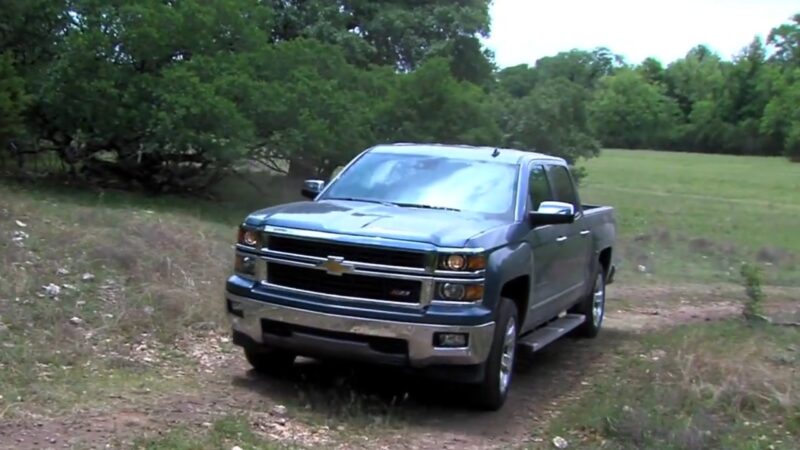
The K2XX Silverado launched for 2014 with an all‑new interior, aluminum hood, new 5.3‑ and 6.2‑L EcoTec3 engines (with AFM/DFM), improved frame rigidity, and available eight‑speed automatic transmissions. Early K2XX trucks quickly drew attention for A/C problems and transmission shudder.
2014 – most complaints: The 2014 model year saw a massive spike in owner complaints – 313 total, according to pickuptrucktalk.com. The number‑one complaint was air‑conditioning condenser failures (84 reports), causing warm air or bad odors.
Electrical issues were the second most‑reported problem (50 complaints), and the NHTSA received over 300 electrical complaints. NHTSA data also show that brake (444) and steering (417) issues were the largest safety concerns. The A/C repair typically costs around $900 and appears around 67,000 miles.
2015: Complaints dropped to roughly 216, but major issues remained. Owner reports ranked transmission problems (shifting poorly), A/C/heat problems, and engine problems as the top three issues.
NHTSA still recorded around 400 brake complaints. The transmission shifting problem costs about $4,600 to fix and occurs around 46,000 miles. GM issued software updates and a fluid flush TSB to address the 8‑speed transmission shudder.
2016: Lifter failures became more prominent again, and some trucks experienced vibration at idle or while driving. A redesign of the front end and updated infotainment system added complexity; there were also reports of A/C condenser leaks and 8‑speed transmission hesitation.
2017 – worst K2XX year: Despite fewer total complaints than 2014, CarComplaints.com flags 2017 as a “Beware of the Clunker” year because of 113 transmission complaints and many reports of surging/jerking transmissions.
NHTSA data show brake, drivetrain, and engine problems as the top three issues for 2017. The typical repair cost for the surging transmission is around $4,100 and occurs near 22,000 miles.
2018 – improved reliability: GM improved the A/C condenser design, addressed transmission calibration issues and added available 10‑speed transmissions on certain trims. Reliability ratings and owner feedback improved, making 2018 one of the better K2XX years.
Buying Tips
When shopping for a 2014‑2016 Silverado, verify that the A/C condenser has been replaced and that the 8‑speed transmission has received updated fluid and software. For 2017 models, be extremely cautious unless the transmission has been repaired or replaced under warranty. The 2018 model year offers similar features with far fewer complaints.
Fourth Generation (2019‑2023 T1XX)
@trev_dogthegreat Gen 4 c k series is just a first gme silverado lets be honest. #chevy #gm #gmt #gmt400 #obs #obschevy #obsgmc #kseries #cseries #k1500 #k2500 #k3500 #c1500 #c2500 #c3500 ♬ original sound – Trev-Dog
GM launched the T1XX platform in 2019 with fresh styling, new powertrains, and weight‑saving mixed‑material construction. Engine options included a new 2.7‑L turbo‑four, updated 5.3‑L and 6.2‑L V8s with Dynamic Fuel Management (DFM), and a 3.0‑L Duramax diesel.
The generation also introduced eight‑ and ten‑speed transmissions across the range. Early production glitches and new technology led to several problem areas.
2019 – first year issues: PickupTruckTalk notes that the top owner‑reported problems for the 2019 Silverado are transmission, engine, and brake issues. NHTSA reports identify engine, drivetrain, brake, and electrical problems as the most common safety complaints.
The number‑one specific complaint is the transmission slamming into gear, which costs around $6,000 to fix and often appears by 24,000 miles. GM issued multiple software updates and a fluid flush for the 8‑speed transmission.
2020‑2021: COVID‑era production disruptions reduced the availability of some engines and transmissions, leading to inconsistent quality. Some 2020 trucks built without DFM still experienced lifter failures.
The 2021 model year added a 6.2‑L V8 with a 10‑speed and saw the introduction of the Multi‑Flex tailgate; however, engine and transmission problems persisted, and a recall addressed tailgates opening unexpectedly.
2021‑2024 6.2‑L engine recall: In early 2026, a massive recall was issued for about 600,000 2021‑2024 Silverado 1500s, GMC Sierras, and related SUVs equipped with the 6.2‑L L87 V8.
According to NHTSA documents, connecting rods and crankshafts may have debris in the oil passages or be out of specification, causing catastrophic engine failure. Investigators have expanded the probe to include vehicles with replaced engines. GM’s interim fix is to change the engine oil viscosity from 0W‑20 to 0W‑40 after testing, but many owners and mechanics view this as a stopgap solution.
5.3‑L V8 lifter failure (DFM): The new DFM system can shut down cylinders more aggressively than the older AFM system. A pickup‑truck industry guide reports that 5.3‑L lifter failures continue to appear sporadically; when the lifters fail, the engine ticks loudly, misfires, and loses power.
Mechanics debate whether DFM directly causes the failures, but many owners disable the system or install aftermarket lifters to prevent repeat problems.
3.0‑L Duramax diesel issues: The 3.0‑L inline‑six diesel has delivered strong fuel economy but has two notable problems. First, a thrust‑bearing issue announced in 2025 can cause complete engine failure; GM issued a service bulletin to test and, if necessary, replace the engine.
Second, coolant control valve failures on 2021‑2023 models cause check‑engine lights and potential overheating; GM issued special coverage for 2023 trucks. Additionally, replacing the wet oil‑pump belt at 200,000 miles requires transmission removal, which is expensive.
8‑ and 10‑speed transmission woes: The 2019‑2023 8‑speed automatic is notorious for harsh 1‑2 shifts, shudder, and delayed engagement; a class‑action lawsuit highlights these issues.
The 2024 8‑speed (used with the 2.7‑L TurboMax four‑cylinder) received updates and appears more refined. GM’s 10‑speed automatic, shared with Ford, experienced rear‑wheel lock‑up issues that led to software updates and valve‑body replacements for 2020‑2022 diesel models.
Buying Tips
For 2019‑2023 Silverados, request maintenance records showing transmission fluid changes (GM now recommends Mobil 1 synthetic) and software updates. For 6.2‑L trucks, verify that the engine recall has been completed and demand proof of oil‑pressure testing.
Diesel buyers should ensure that the thrust‑bearing test and coolant‑valve replacement have been performed. Be wary of high‑mileage 5.3‑L trucks showing ticking or misfiring unless the lifters and camshaft have been replaced.
Mid‑cycle Refresh and Newer Years (2024‑present)
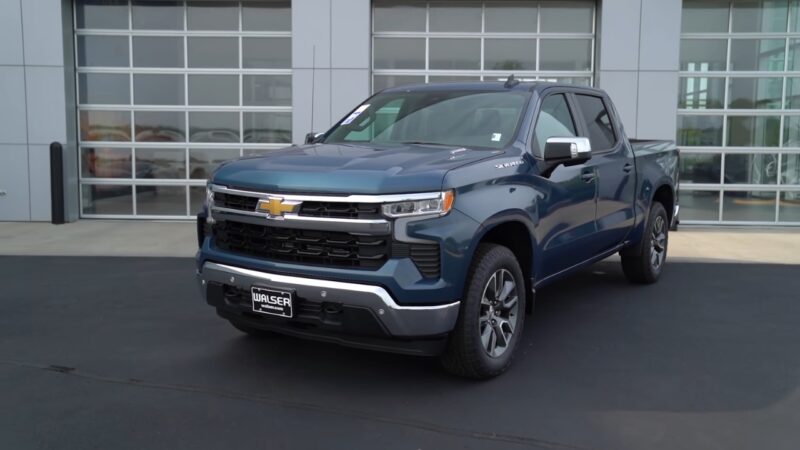
2024: The 2024 Silverado received a facelift and a revised interior along with the renamed 2.7‑L TurboMax engine. The updated eight‑speed transmission on this engine feels smoother and has fewer complaints.
Most other powertrain options carried over, so 5.3‑L lifter issues and the 6.2‑L recall still apply. Owners continue to report occasional infotainment glitches and brake‑pedal feel inconsistencies.
2025: Early owner feedback has been positive. A dealer reliability review notes that the 2025 Silverado earns a J.D. Power quality & reliability score of 84/100 and that 73 % of crew‑cab owners recommend the truck.
The 3.0‑L Duramax paired with the 10‑speed automatic is praised for its smoothness and fuel efficiency. Complaint counts remain low, though the engine‑failure recall and lifter issues on carry‑over engines continue to concern prospective buyers. More real‑world data will emerge as these trucks accumulate miles.
Conclusion and Recommendations
The Silverado’s long history means there is a model year to suit almost any budget. However, some years are better avoided:
On the other hand, 1999‑2006, 2011‑2013, 2018, and 2025 model years stand out for better reliability. Buying a late GMT800 or late GMT900 truck with documented maintenance can provide a durable workhorse for less money.
Newer trucks (2024‑2025) offer cutting‑edge technology and improved drivability, but potential buyers should stay informed about ongoing engine and transmission recalls. Regardless of model year, always inspect maintenance records, perform a thorough test drive, and have a trusted mechanic inspect the truck before purchase.