
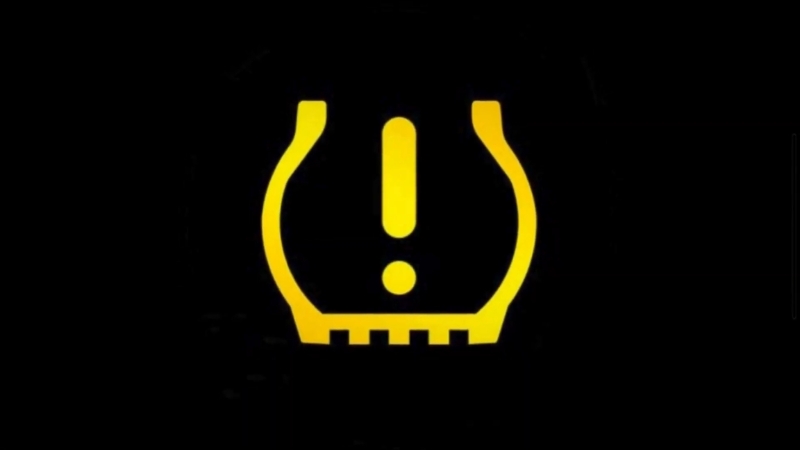
The tire pressure light usually appears as a yellow symbol that looks like a flat tire with an exclamation mark in the middle. On most vehicles, that light is tied to the TPMS, which stands for Tire Pressure Monitoring System.
Its job is to warn you when tire pressure drops below the level the manufacturer considers safe.
Some cars use a direct TPMS. That means each wheel has an actual pressure sensor inside the tire. Other cars use an indirect TPMS, which does not measure air pressure directly.
Instead, it uses wheel speed data through the ABS and estimates when a tire is low by detecting rolling differences.
That distinction matters because the fix is not always the same. A direct system may keep the light on because of a weak sensor or a dead battery. An indirect system may need recalibration after tire inflation, tire rotation, or wheel replacement.
The Most Common Reasons The Light Stays On
Before getting into specific fixes, it helps to know what usually causes this problem in real life. In many cases, drivers think they solved it because they added air to one tire that looked low. But the system is often more exact than that.
Common Cause
What Is Happening
Typical Fix
Tire still underinflated
One or more tires are still below the recommended PSI
Inflate all tires to door sticker spec
Pressure checked when tires were hot
Warm tires read higher, so pressure may still be low when cold
Recheck when tires are cold
The spare tire has low pressure
Some vehicles monitor the spare too
Inflate the spare to correct the PSI
TPMS reset not completed
The system needs a manual relearn or reset
Reset through the menu or button
The sensor battery is weak
Older TPMS sensors can stop sending correct data
Replace the failed sensor
Tire rotation or service affects the system
Sensor positions may need to be relearned
Perform TPMS relearn
Temperature drop
Cold weather lowers PSI enough to trigger a warning
Add air to the proper cold pressure
Faulty sensor or module
The system has an electrical or communication issue
Diagnose with the scan tool
First Fix: Check Every Tire Cold, Not Just The One That Looks Low
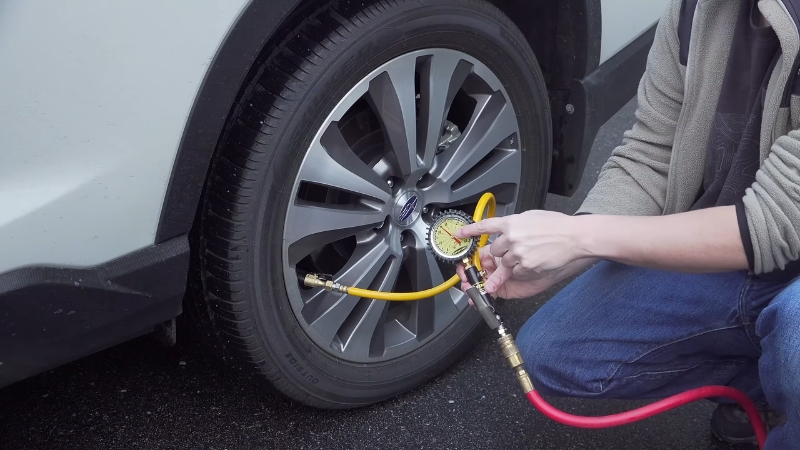
This is the first step because it solves the problem more often than anything else. Do not go by appearance. Modern tires can be significantly low and still not look visibly flat.
Check the sticker inside the driver’s side door jamb. That label lists the correct cold tire pressure for the front and rear tires. Use that number, not the maximum PSI printed on the tire sidewall.
The number on the sidewall is not your target for normal driving.
Let the car sit for a few hours if possible, or check it before driving. Use a reliable gauge and measure all four tires. If your vehicle monitors the spare, check that too. Then inflate each tire exactly to spec.
A lot of drivers miss one of these details:
Why Cold Weather Causes This Problem So Often
A sudden drop in temperature is one of the biggest reasons the tire pressure light comes on and stays on. Air pressure naturally falls as temperatures drop. A tire that was perfectly fine last week can easily end up a few PSI low after a cold night.
That is why many drivers first notice the light in the morning and then see it disappear later in the day after driving. The tire warms up, pressure rises slightly, and the warning may go away temporarily.
That does not mean the problem fixed itself. It usually means the tire is sitting right on the edge of the warning threshold.
Here is a simple reference that helps explain why this happens.
Temperature Change
Likely Effect On Tire Pressure
What To Do
Small overnight drop
Minor PSI loss
Recheck pressures in the morning
Sudden cold snap
Enough PSI loss to trigger light
Inflate all tires to cold spec
Seasonal shift into winter
Repeated low-pressure warnings
Check tires more often during the season change
Warm afternoon after a cold morning
Light may disappear temporarily
Still adjust pressure when cold
The Reset Problem: Why The Light Sometimes Stays On Even After Inflation
Some vehicles do not immediately turn the tire pressure light off the moment you add air. The system may need a short drive to register the new pressures. Others need a manual reset or relearn procedure.
This is where people often get stuck. They fix the actual air pressure problem, but assume the system should react instantly. Then they keep adding more air, which is not the right move.
Depending on the vehicle, the reset may happen in one of these ways:
If the light is steady, the system is usually telling you there is a pressure issue or that it still needs to confirm normal readings. If the light is flashing first and then stays on, that often points more toward a sensor or system fault rather than simple low air.
Steady Light vs Flashing Light
This is an important distinction because it changes how you troubleshoot.
Light Behavior
What It Usually Means
Next Step
Steady light
Low pressure or system waiting to confirm correct pressure
Check and adjust all tire pressures
Flashes, then stays on
TPMS malfunction, failed sensor, or communication problem
Diagnose sensors and the TPMS system
Comes on only in cold mornings
Pressure near the low threshold
Refill to the proper cold PSI
Returns after a few days
A slow leak or puncture is likely
Inspect for leaks or tire damage
A Slow Leak Is More Common Than People Think
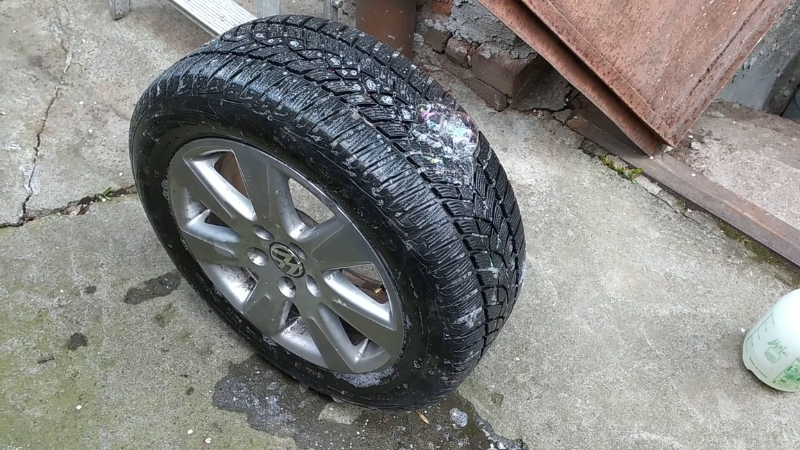
If the light turns off after inflation but comes back within a day or two, you probably do not have a reset problem. You likely have a slow air leak.
That leak may come from a nail, a small puncture, a bead leak, a cracked valve stem, a damaged rim, or corrosion where the tire seals to the wheel. In some cases, the leak is slow enough that the tire loses only a few PSI over several days, which makes it easy to ignore until the light comes back again.
This is why repeating the same fix over and over is not really a fix. If you keep adding air to the same tire, the tire or wheel needs inspection.
Signs of a slow leak include:
Don’t Forget The Spare Tire
Some SUVs, trucks, and minivans monitor the spare tire too. This catches a lot of people off guard because they never think to check it. The four road tires may all be correct, but the warning light stays on because the spare is low.
If your vehicle has a full-size spare or an externally mounted spare with TPMS support, check the owner’s manual or door label. A spare often requires a much higher PSI than the regular tires.
If it has not been checked in months, it can easily be the reason the light never clears.
When Tire Rotation Or New Tires Cause The Problem
View this post on Instagram
The tire pressure light also tends to show up after recent tire service. This does not always mean the shop did something wrong. Sometimes the system simply needs to relearn which sensor is at which wheel position.
In other cases, a sensor may have been damaged during service, or the vehicle settings may not have been reset correctly.
Common service-related triggers include tire rotation, new tire installation, wheel swaps, seasonal wheel changes, and sensor replacement. Direct TPMS systems are especially sensitive to this because the car may need to identify each wheel sensor again.
If the light started right after service, that detail matters. It makes a sensor issue or relearn problem much more likely than a mystery pressure loss.
Sensor Batteries Do Not Last Forever
On most direct TPMS systems, each sensor contains a small internal battery. These batteries are not usually replaceable by themselves. When they get weak or die, the whole sensor normally needs replacement.
This tends to happen on older vehicles, often somewhere around the later years of sensor life rather than immediately after new tire installation. If one sensor stops sending a signal, the warning may flash and then stay on.
A tire shop or repair shop can usually confirm which sensor failed with a scan tool.
Here is a useful overview.
TPMS Issue
Typical Symptom
Usual Repair
Weak sensor battery
Light flashes, then stays on
Replace the affected sensor
Damaged sensor after tire work
The warning starts right after the service
Scan and replace if needed
Sensor not relearned
Incorrect wheel location or persistent warning
Perform the relearn procedure
Valve stem damage on the TPMS unit
Air leak or sensor fault
Replace the service kit or sensor
TPMS module issue
Multiple sensors are not reading correctly
Professional diagnosis
Can You Keep Driving With The Light On?
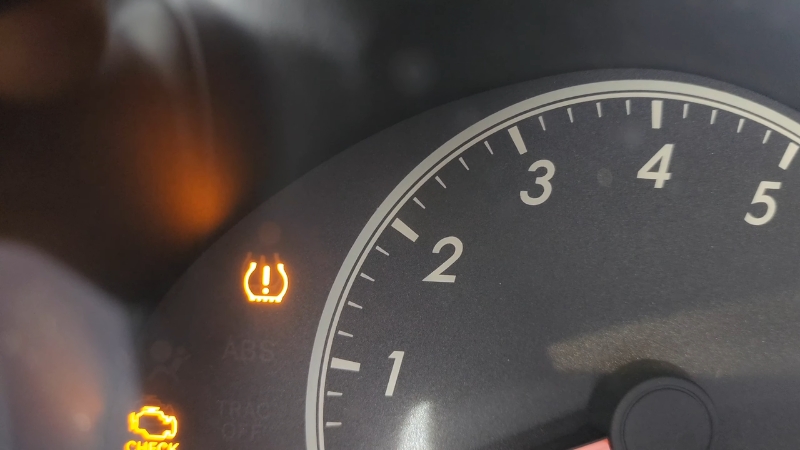
You can sometimes drive short distances safely if you have already checked the tires and confirmed they are properly inflated, but you should not treat the light as something to ignore indefinitely.
The problem is that the warning removes a layer of protection. If a tire really does lose pressure later, you may not know which warning is old and which one is new.
If the light comes on while driving, pull over as soon as it is safe and inspect the tires. If one looks visibly low, do not continue at highway speed. If the car feels unstable, pulls to one side, or the tire looks damaged, it needs immediate attention.
A warning light that stays on with correctly inflated tires is less urgent than a visibly low tire, but it still deserves a proper fix.
Step By Step: What To Do When The Light Will Not Turn Off
This is the most practical order to follow because it saves time and avoids guessing.
- Let the tires cool down.
- Check the door sticker for the correct PSI.
- Measure all four tires, plus the spare if applicable.
- Inflate each tire to the correct cold pressure.
- Drive for 10 to 20 minutes.
- If the light stays on, try the vehicle’s TPMS reset or relearn process.
- If the light flashes or keeps returning, inspect for leaks or sensor problems.
- Have the TPMS scanned if no obvious pressure problem is found.
Mistakes That Keep The Problem Going
A lot of repeat tire pressure warnings come from small mistakes rather than hard mechanical failures. Drivers often do part of the job correctly, but miss one detail that prevents the system from clearing.
Mistake
Why It Causes Trouble
Filling to sidewall PSI
That number is not the vehicle’s recommended operating pressure
Ignoring rear tire spec
Front and rear tires may require different PSI
Skipping the spare
Some systems monitor it
Adding too much air
Overinflation can create a different handling and wear problem
Never resetting indirect TPMS
The system may not recalibrate on its own
Assuming the sensor is bad without checking the pressure first
Low pressure is still the most common cause
When You Need A Shop Instead Of A DIY Fix
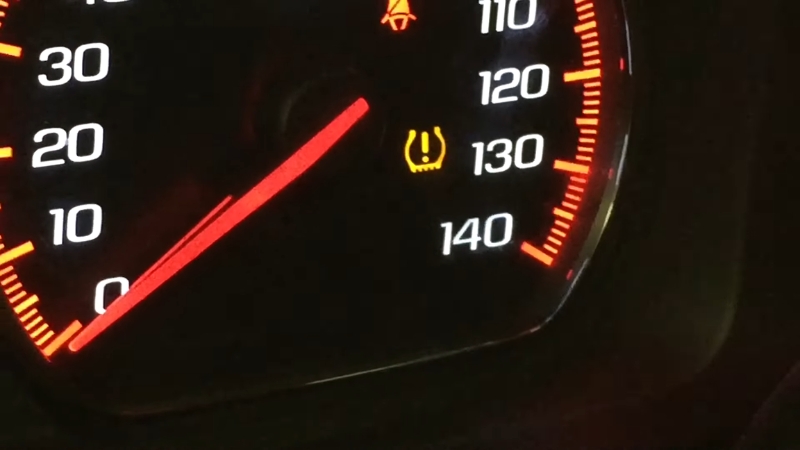
You do not need a shop for every TPMS warning. Many cases are solved with a good tire gauge and five minutes of careful checking. But there are times when professional diagnosis makes more sense.
You should get the car checked if:
A shop can scan the TPMS system, read live sensor data, identify a dead battery or failed sensor, and confirm whether the problem is pressure-related or electronic.
How To Prevent The Light From Coming Back
The best way to avoid this issue is to treat tire pressure as regular maintenance instead of waiting for the dashboard warning.
Check pressure at least once a month and before long trips. Recheck it when the seasons change. Use a gauge you trust. If your car is older and the TPMS sensors are original, keep in mind that sensor aging becomes more likely over time.
These habits help:
Final Thoughts
@leodanoriginal Why your TPMS light won’t go away (and how to fix it properly) #car #information #education #howto #fix ♬ original sound – Daniel
When a tire pressure light will not turn off, the answer is usually more practical than mysterious. Most of the time, the real problem is still tire pressure, not the dashboard.
One tire is slightly low, the pressures were checked warm instead of cold, the spare was forgotten, or the system still needs a reset drive or relearn. After that, the next most common causes are slow leaks and aging TPMS sensors.
The smartest approach is to start with the basics and do them carefully. Check every tire cold. Use the door sticker. Include the spare. Then let the system reset or complete the relearn process.
If the light is flashing or keeps returning, stop guessing and have the TPMS scanned. That way, you fix the actual cause instead of just chasing the warning light.