
Brake pads play a vital role in vehicle safety by creating the friction needed to slow down and bring a car to a complete stop.
Consistent performance in this process is essential for maintaining control on the road.
Wear occurs gradually with every use, and ignoring that wear can lead to reduced stopping power, longer braking distances, and potential damage to other components such as rotors and calipers.
Routine replacement helps prevent more expensive repairs and keeps the braking system operating as intended.
But there is always the question of costs, right?
Average Cost of Brake Pad Replacement
Most vehicles on the road fall into a predictable price range, though higher-end models can increase costs significantly.
- $100 to $300 per axle for standard vehicles
- $150 to $400 per axle is a common real-world average
- $300 to $800 or more per axle for luxury vehicles
- $1,000 or more for full brake service on high-performance models
Price increases often reflect more advanced braking systems, larger components, and higher-end materials.

Cost Per Wheel vs. Per Axle
Brake service pricing is based on axles rather than individual wheels. Every axle includes two wheels, so both sides are replaced at the same time to maintain balanced braking performance.
Front brakes experience more stress during normal driving.
- Front pads handle about 70% to 80% of the total braking force
- Increased workload leads to faster wear compared to rear pads
- More frequent replacement can slightly raise long-term maintenance costs
Rear brake pads still require attention but tend to last longer under typical driving conditions.
What are the Factors That Affect Cost?
Several variables influence final pricing. Differences in vehicle design, geographic location, and service scope can shift the total cost significantly.
Vehicle Type
Vehicle category plays a major role in determining both parts and labor expenses. Smaller cars tend to use simpler systems, while larger or high-performance vehicles require more robust components.
Economy cars benefit from lower-cost parts and straightforward installation. Luxury and performance models often need specialized components and more precise labor.
SUVs and trucks rely on larger brake systems, which increase both material and installation costs.
Labor Cost
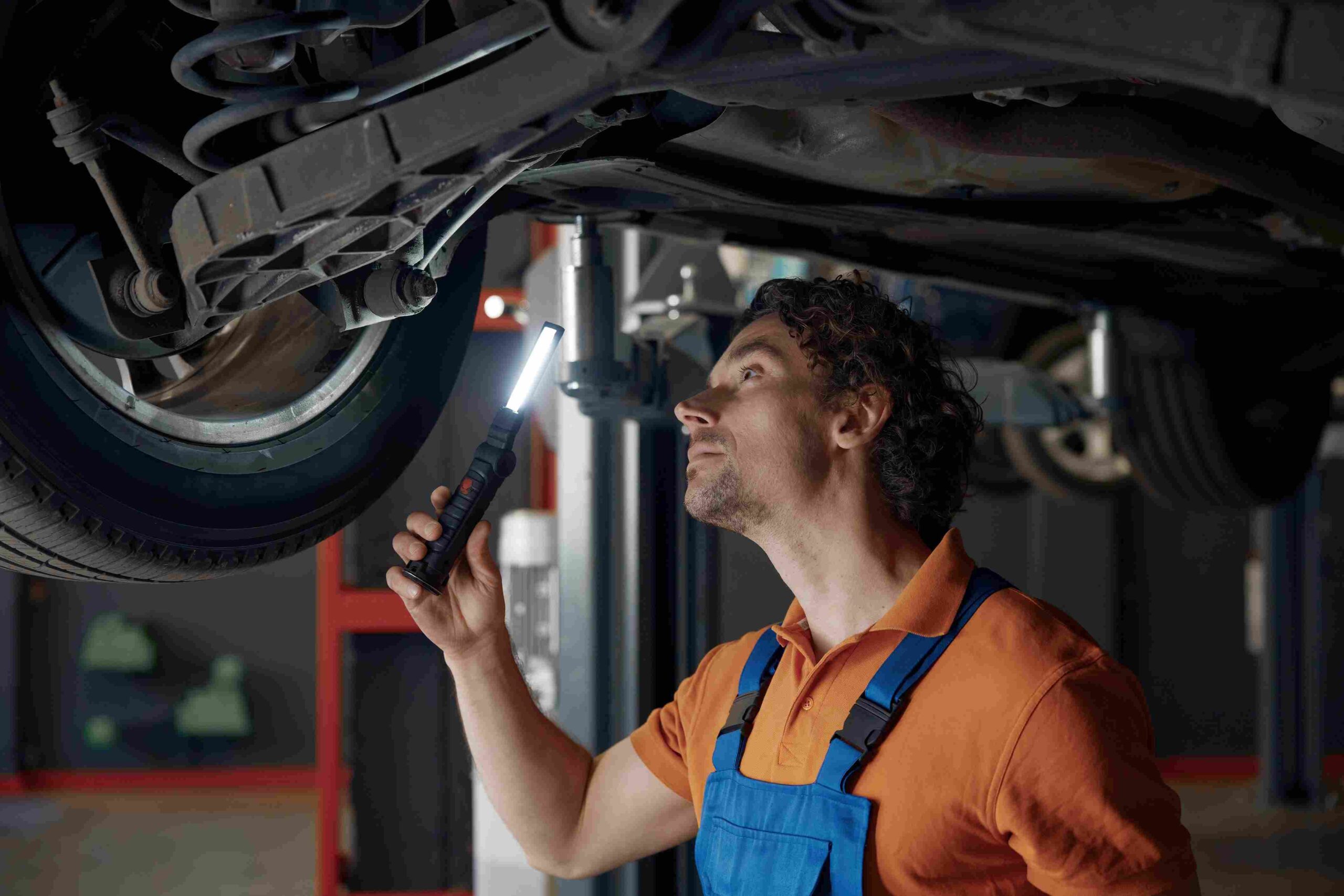
Labor charges depend on shop rates, technician expertise, and regional pricing. Independent repair shops typically offer more affordable rates, while dealerships charge higher fees due to brand-specific service standards.
Typical labor pricing includes:
| Service Location | Typical Labor Cost (Per Axle) |
|---|---|
| Independent shops | $80 to $150 |
| Dealerships | $150 to $300 or more |
Most brake pad replacements take one to two hours. Higher labor costs often reflect location, shop reputation, and complexity of the braking system.
Location
Geographic location directly impacts labor pricing. Urban areas usually have higher shop rates due to operating costs, while rural areas often provide more affordable service.
- Higher labor rates in major cities
- Lower pricing in smaller towns
Currency differences and regional market conditions also affect final pricing.
Brake Pad Material
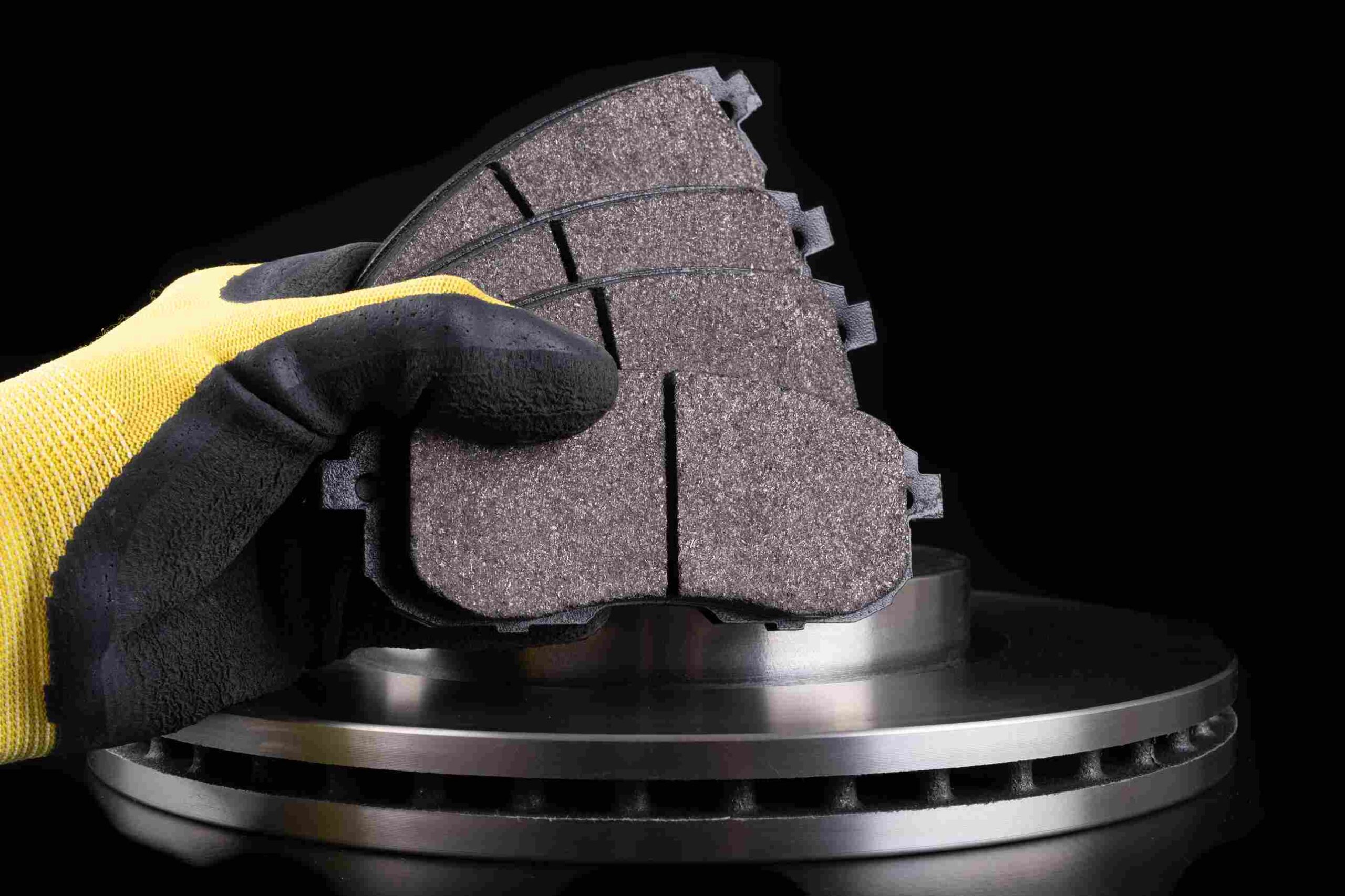
Material selection influences both short-term cost and long-term value. Higher-end materials often reduce maintenance frequency and improve driving comfort.
Ceramic pads offer longer lifespan and quieter performance with minimal dust. Semi-metallic pads provide strong braking under demanding conditions and cost less, though they may produce more noise.
Additional Repairs
Brake pad replacement sometimes reveals other worn components that require attention. Ignoring these issues can lead to reduced braking performance and higher repair costs later.
- Rotor replacement adds $200 to $500 or more per axle
- Full brake service totaling $400 to $1,000 or more
- Caliper repair or replacement
- Brake fluid service and hardware updates
Addressing these items during brake service can improve safety and extend system life.
Also Read: How do run-flat tires work? Find out more here!
Dealership vs Independent Garage vs DIY
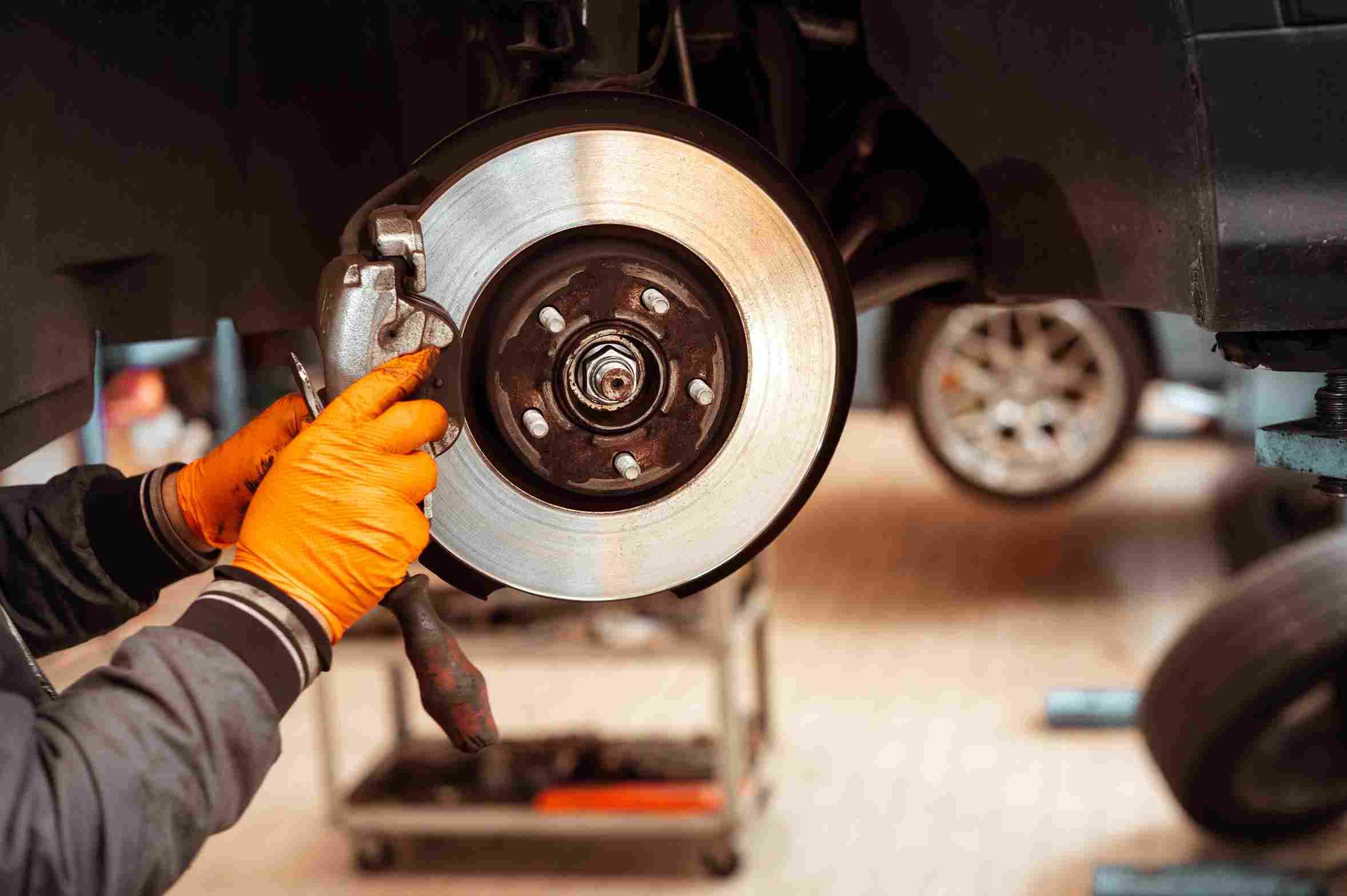
Choosing where to replace brake pads can significantly influence both cost and overall experience.
Careful consideration helps ensure the right balance between affordability and reliability.
Dealership
Dealership service is often the most expensive option, but it offers a high level of consistency and specialization.
Technicians are trained to work on specific vehicle brands, which can be beneficial for newer or more complex models.
Higher costs can be justified for vehicles still under warranty or for owners who prefer manufacturer-standard service.
Independent Mechanics
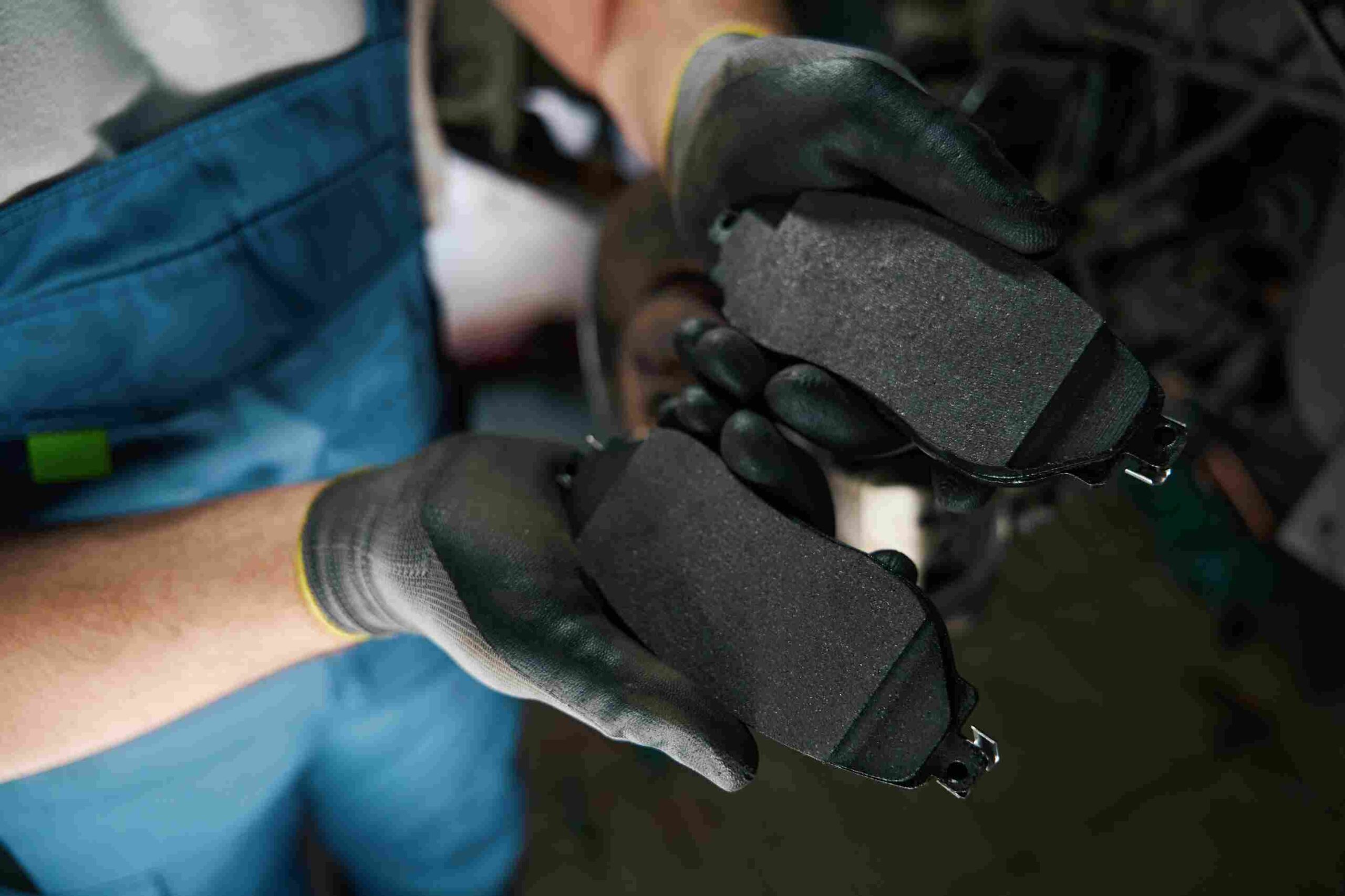
Independent repair shops provide a more budget-friendly alternative without sacrificing quality in many cases.
Lower operating costs allow these businesses to offer competitive pricing while still delivering reliable service.
- Pricing that is typically 25% to 40% lower than that of dealerships
- Flexibility in choosing between aftermarket and OEM-equivalent parts
- Faster service times due to less rigid scheduling
- Personalized customer service and direct communication with technicians
Quality can vary depending on the shop, so checking reviews and certifications is important before selecting a provider.
DIY Replacement
Do-it-yourself brake pad replacement offers the lowest upfront cost, but it requires preparation, skill, and attention to detail. Parts alone generally range between $30 and $300 or more, depending on the type of pads selected.
- Access to proper tools such as a jack, jack stands, and brake tools
- Mechanical knowledge and familiarity with braking systems
- Careful adherence to safety procedures during installation
Additional considerations can affect the decision:
- Time investment for learning and completing the job
- Risk of improper installation leading to reduced braking performance
- Potential voiding of warranties or insurance concerns
Mistakes during installation can result in uneven wear, noise, or serious safety hazards. Careful execution and proper research are necessary to ensure safe and effective results.
How Often Should Brake Pads Be Replaced?
Brake pad lifespan varies widely based on driving conditions and vehicle characteristics. Regular inspection helps determine the right replacement interval.
Typical lifespan falls within these ranges:
| Measurement Unit | Typical Lifespan Range |
|---|---|
| Miles | 25,000 to 70,000 |
| Kilometers | 40,000 to 110,000 |
Several factors influence wear rate. Frequent braking in city traffic shortens lifespan. Highway driving places less stress on the braking system. Heavier vehicles and added loads increase wear, while higher-quality materials tend to last longer.
Summary
Brake pad replacement remains a routine yet essential maintenance cost. Expenses vary based on vehicle type, materials, labor rates, and any additional repairs.
Choosing quality parts and reliable service can help reduce long-term expenses while maintaining safety.