
Toyota’s Blind Spot Monitor (BSM) uses rear-mounted radar sensors to detect vehicles in adjacent lanes. System adds an extra layer of awareness during lane changes and highway driving.
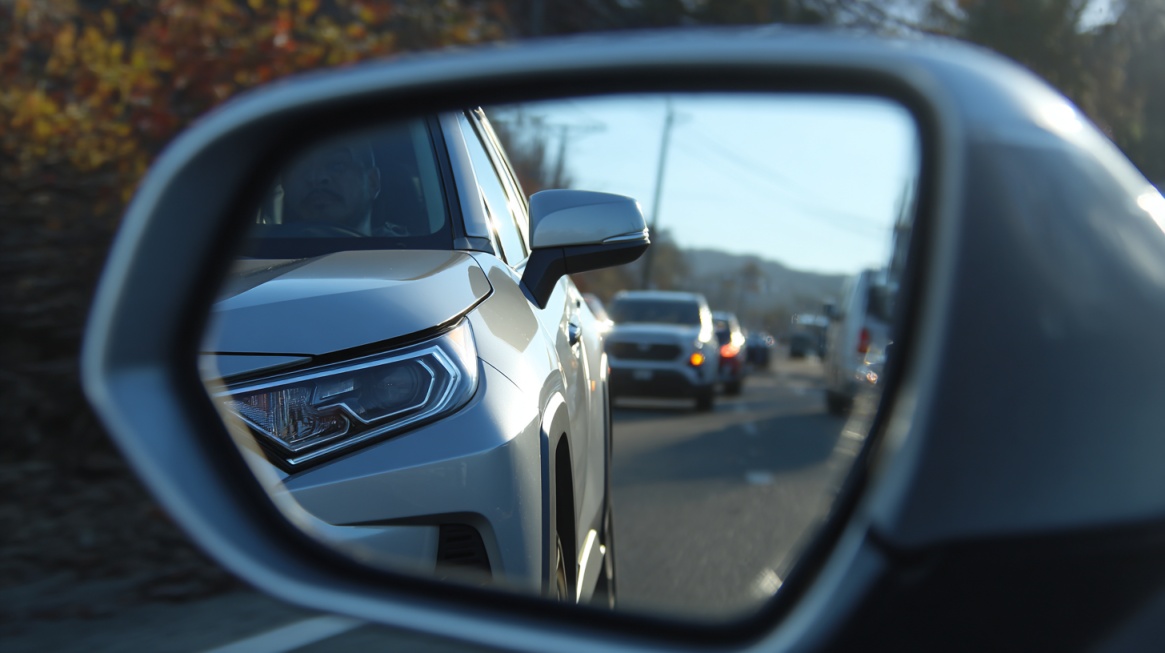
Alerts appear as indicator lights in the side mirrors. Flashing warnings activate when a turn signal is used while another vehicle is present in the blind spot.
System failures can lead to no alerts, delayed warnings, or constant warning messages. Drivers often report messages such as “BSM not available” or cases where the system disables itself without warning.
Malfunctioning BSM reduces situational awareness and increases reliance on manual checks, which raises the risk during lane changes.
Common Blind Spot Monitor Problems
Blind Spot Monitor issues tend to follow consistent patterns tied to physical, electrical, or environmental factors. Problems rarely occur without a clear cause and often relate to recent changes or external conditions.
BSM Warning Light or System Malfunction Message
Warning messages often appear without prior notice and can persist across multiple ignition cycles. Drivers frequently see alerts indicating system failure or limited functionality.
Common messages include:
| Warning Indicator | Example Message |
|---|---|
| BSM Warning Light or System Malfunction | “Check BSM system” |
| BSM Warning Light or System Malfunction | “BSM unavailable” |
System behavior during these faults may include complete shutdown or warnings that remain active after restarting the vehicle.
Several root causes typically trigger these alerts:
| Root Cause | Description |
|---|---|
| ECU communication errors interrupting data flow | Disruptions in communication between control modules can prevent proper system operation. |
| Fault codes linked to sensor misalignment | Improperly aligned sensors may send incorrect data, triggering system warnings. |
| Electrical issues such as blown fuses or loose connectors | Power or connection problems can interfere with system functionality and generate alerts. |
Sensor Blockage or Obstruction
Blocked sensors represent one of the most frequent causes of system failure. Radar signals require a clear path to function correctly, and even minor buildup can interfere with detection.
- Dirt and mud after driving in poor conditions
- Snow and ice accumulation during winter
- Road salt and grime buildup over time
Thin layers are enough to disrupt signal transmission. Drivers may notice temporary warnings that disappear after cleaning, along with reduced accuracy in detecting nearby vehicles.
Issues After Bodywork or Repairs
Post-repair problems appear frequently and often trace back to missed calibration steps. Any work involving the rear bumper can affect sensor positioning.
- Rear bumper removal during repairs
- Accident damage followed by bodywork
- Repainting that alters bumper thickness
Sensors require calibration after removal or repositioning. Many repair shops reinstall components without completing this process, which leaves the system unable to function correctly.
Even without visible damage, slight misalignment can keep the system disabled.
Sensor Misalignment or Physical Damage
Physical changes to sensor positioning can significantly affect performance. Minor impacts or pressure on the bumper may shift alignment enough to alter detection behavior.
Millimeter-level misalignment can change the radar detection zone and create inaccurate readings.
Common effects include:
| Effect / Issue | Description |
|---|---|
| False positives where vehicles are detected incorrectly | The system may alert the driver even when no vehicle is present due to sensor errors or interference. |
| Missed detections in the blind spot area | Vehicles in adjacent lanes may not be detected, increasing safety risk. |
| Wiring, Connection, and Corrosion Issues | Damaged wiring or corroded connectors can disrupt signal transmission and lead to unreliable system performance. |
Electrical reliability plays a major role in system operation. Any interruption in signal transmission can lead to warnings or system shutdown.
Rear bumper wiring faces constant exposure to harsh conditions, which increases the risk of damage.
- Moisture intrusion leading to corrosion
- Physical stress on wiring harnesses
- Loose or damaged connectors
Symptoms often appear as intermittent operation, random shutdowns, or persistent warning messages.
Environmental and External Interference
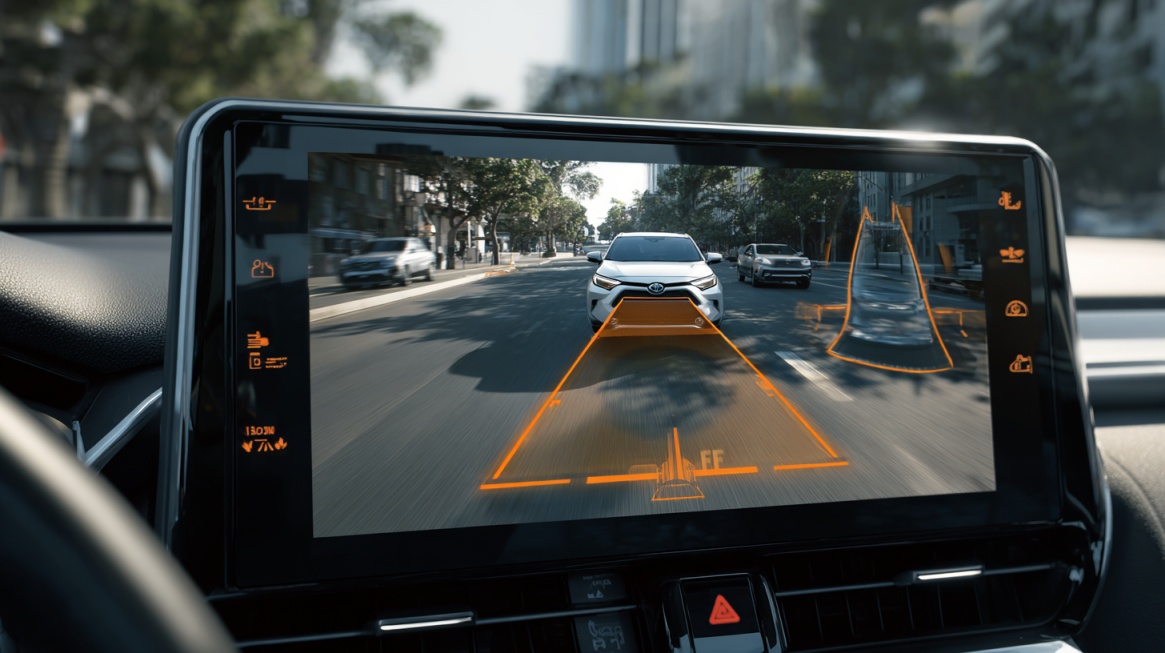
External conditions can temporarily affect radar performance. Environmental factors may trigger warnings even when the system hardware remains intact.
- Heavy rain or snow reducing signal clarity
- Ice buildup affecting sensor output
- Large metal surfaces or barriers nearby
Driving in tight or enclosed spaces may also cause irregular readings. Temporary interference usually clears once conditions improve.
Software Glitches and Reset-Related Issues
Electronic control systems occasionally experience temporary faults that affect BSM operation. Software-related issues may trigger warnings or disable the system without hardware failure.
Observed behaviors include warning lights appearing suddenly or the system turning off without a clear physical cause. Restarting the vehicle can clear minor glitches.
Persistent problems may point to deeper issues such as calibration errors or hardware faults.
Voltage fluctuations and battery disconnection can also affect system memory. In such cases, recalibration or system relearning may be required.
How Toyota’s Blind Spot Monitor Works
Toyota’s Blind Spot Monitor operates through a radar-based system designed to track vehicles in adjacent lanes in real time. Accurate performance depends on precise hardware positioning and stable communication between components.
Radar sensors sit behind the rear bumper corners and require exact positioning to function correctly. Even small changes in angle or placement can reduce detection accuracy and shift the monitored zone.
- Proper sensor alignment to maintain correct detection angles
- A clean and unobstructed bumper surface that allows radar signals to pass
- Consistent electrical communication with the ECU to process incoming data
Sensors continuously scan nearby lanes while the vehicle is in motion. Mirror indicators activate as soon as another vehicle enters the blind spot area. Additional warnings occur during active lane changes.
Warning behavior follows a predictable pattern:
| Warning Behavior | Meaning |
|---|---|
| Solid mirror light | Indicates a vehicle is detected in the blind spot. |
| Flashing mirror light when turn signal is used | Activates when signaling a lane change while a vehicle is still detected in the blind spot. |
Small physical changes can interfere with radar performance. Added paint layers, bumper repairs, or slight warping can affect how signals travel. Even minimal differences in thickness or angle may result in delayed alerts or missed detections.
How to Diagnose the Problem
Accurate diagnosis begins with simple checks before moving into more advanced inspection. Many issues can be identified without specialized tools.

Basic Checks
Initial inspection focuses on visible and easily accessible areas. Many problems resolve quickly at this stage.
- Inspecting the rear bumper for dirt, snow, or debris
- Cleaning the surface thoroughly to restore sensor visibility
- Restarting the vehicle to clear temporary ECU faults
Recent events often provide clues. Consider if the issue started after repairs, a car wash, or exposure to harsh weather.
Intermediate Checks
Further inspection requires basic diagnostic tools and a closer look at system components.
- Scanning for diagnostic trouble codes using a compatible scanner
- Inspecting wiring harnesses behind the bumper for damage
- Checking sensor mounting points for alignment issues
Professional Diagnosis
Advanced issues often require specialized equipment and trained technicians. Calibration plays a central role in restoring proper function.
- Verifying sensor angles using manufacturer-specific tools
- Detecting ECU communication faults
- Performing radar sensor calibration to restore accuracy
Fixes and Solutions
Effective solutions depend on identifying the correct cause. Many fixes are straightforward, while others require professional service.
View this post on Instagram
Clean the Sensors
Cleaning remains the first and simplest step. Removing buildup often restores normal operation immediately.
Focus on clearing:
| Action | Description |
|---|---|
| Dirt and mud | Remove any buildup that may block sensors or reduce system accuracy. |
| Ice and snow | Clear frozen material that can interfere with proper sensor operation. |
| Road salt and grime | Clean residue that can accumulate over time and affect performance. |
| Reset the System | Restart or reset the system after cleaning to restore normal functionality. |
A system reset can resolve temporary electronic issues. Turning the vehicle off and restarting may clear warning messages.
Battery disconnection can also reset the ECU in certain cases, though it may require system relearning afterward.
Recalibrate Sensors
Calibration is essential after any work involving the rear bumper or sensors. Skipping this step often leads to persistent system failure.
Dealerships or specialized repair centers typically perform this procedure using dedicated equipment.
Repair or Replace Damaged Components
Damaged radar sensors must be replaced to restore proper function. Accurate mounting and positioning remain critical after installation.
Electrical repairs focus on restoring reliable communication between components.
- Repairing damaged wiring
- Securing loose connectors
- Cleaning or replacing corroded connections
- Checking fuses and related modules
Software-related issues may require system updates or ECU resets. Persistent faults often need recalibration even after software correction.
The Bottom Line
Most Blind Spot Monitor failures trace back to obstruction, misalignment, or missed calibration rather than random faults.
Simple issues such as dirt buildup can be resolved quickly, while problems following repairs often require professional calibration to restore full functionality.