
Winter driving places intense demands on tires as temperatures drop and road surfaces shift between snow, slush, and ice.
Cold weather causes standard rubber compounds to stiffen, reducing grip and increasing stopping distances. Safe mobility during winter depends heavily on tire design, tread structure, and compound chemistry.
All-season tires are marketed as year-round solutions, yet performance drops sharply once temperatures fall below freezing or snow accumulates.
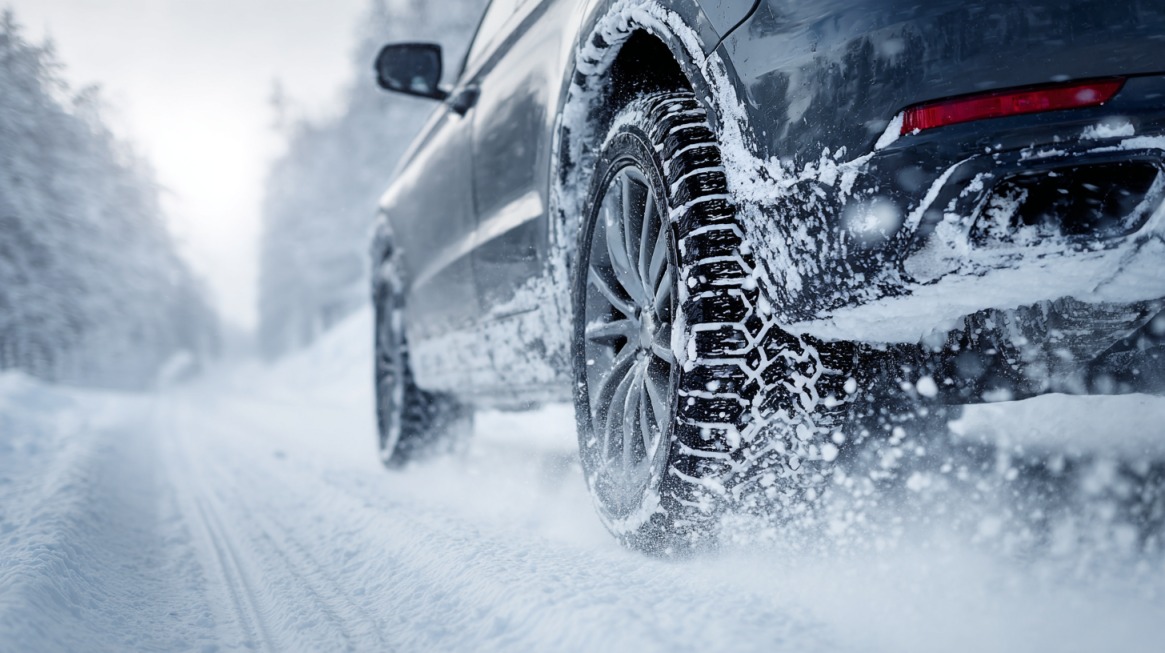
Winter tires are engineered specifically for cold environments, remaining flexible and responsive when traction matters most.
A direct comparison reveals measurable differences in braking, acceleration, handling, and comfort.
Performance data here is based on controlled testing in snow, ice, wet, and dry conditions, along with evaluations of comfort, efficiency, and durability.
| Brand | Top Models | Main Strength | Best For |
|---|---|---|---|
| Continental | VikingContact 8TS 870 | Balanced winter performance | Mixed winter conditions, comfort, efficiency |
| Goodyear | UltraGrip Ice | Snow traction and comfort | City and highway winter driving |
| Nokian | Hakkapeliitta R5 Hakkapeliitta 10 | Extreme cold capability | Harsh winters, EVs, SUVs |
| Michelin | X-Ice Snow | Ice braking | Ice-dominant regions |
| Pirelli | P Zero WinterSottozero 3 | Winter performance handling | Performance vehicles |
| Dunlop | Winter Maxx 2 | Budget winter traction | Mild to moderate winters |
| Toyo / Falken | Observe GSi-6Winterpeak F-Ice 1 | Quiet studless control | Comfort-focused winter driving |
1. Continental
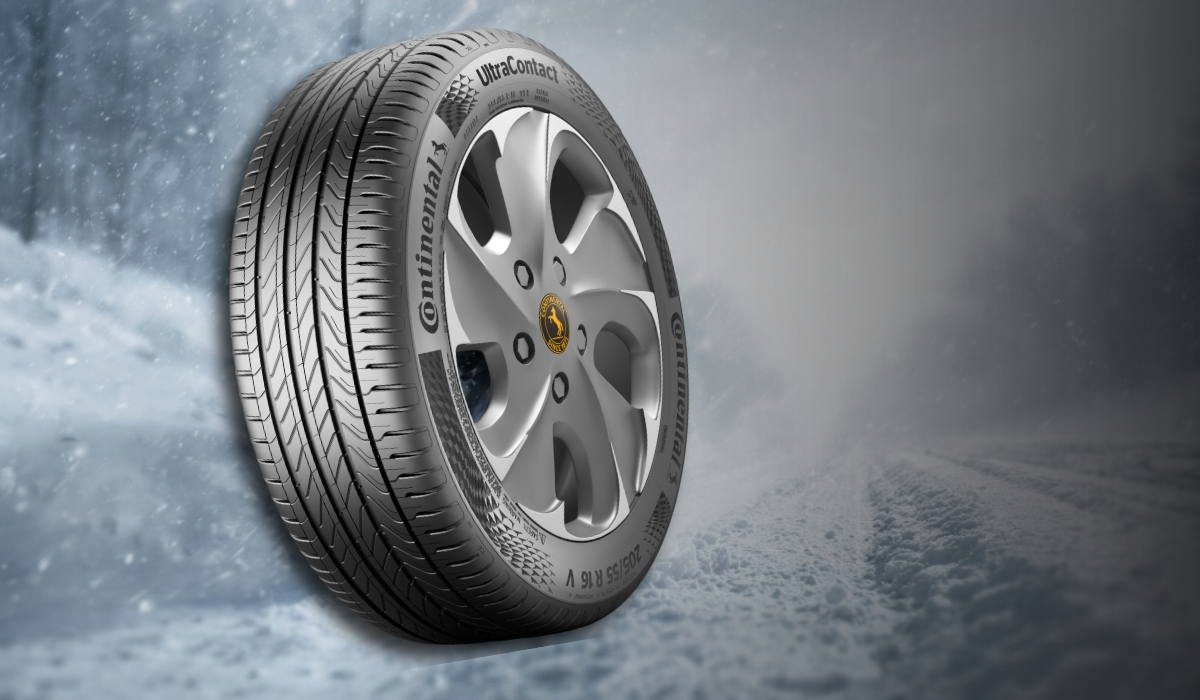
Overall balance defines Continental winter tires, focusing on predictable grip, efficiency, and low noise across changing winter surfaces.
VikingContact 8 delivers reliable traction on snow and ice while maintaining stable wet-road behavior.
TS 870 targets regions with milder winter conditions, favoring controlled handling and reduced rolling losses.
Measured performance confirms strength across multiple categories.
- Ice handling ranked third at 54.99 seconds
- Snow braking measured 16.81 meters, placing fourth
- Rolling resistance ranked best at 7.29 kg per ton
- Wet braking reached second place at 42.4 meters
- Noise output remained lowest at 69.1 dB
Design priorities favor drivers who encounter alternating snow, slush, and wet pavement during winter commutes. Fuel efficiency and cabin comfort remain strong even during extended cold-weather driving.
2. Goodyear
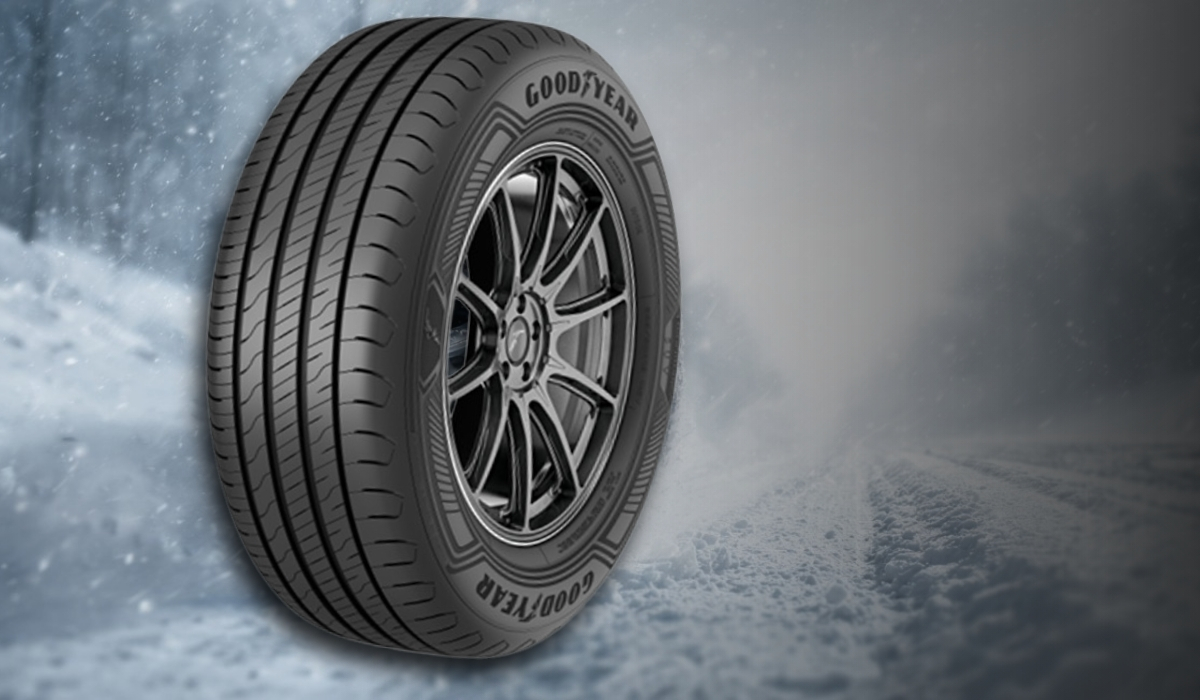
Comfort and snow-focused traction drive Goodyear’s winter performance strategy.
UltraGrip Ice 3 delivers high confidence on loose snow, compacted snow, and icy intersections while maintaining smooth ride characteristics.
Independent testing placed Goodyear at or near the top in multiple dynamic categories.
- Snow braking ranked first at 16.44 meters
- Snow handling finished first at 79.64 seconds
- Ice handling achieved first place at 54.53 seconds
- Wet braking placed third at 43.7 meters
Ride quality separates Goodyear further. Comfort received a perfect 10 out of 10 rating, while aquaplaning resistance led testing at 2.02 m/s².
Daily urban driving combined with highway travel benefits greatly due to predictable steering and reduced harshness over uneven winter surfaces.
3. Nokian
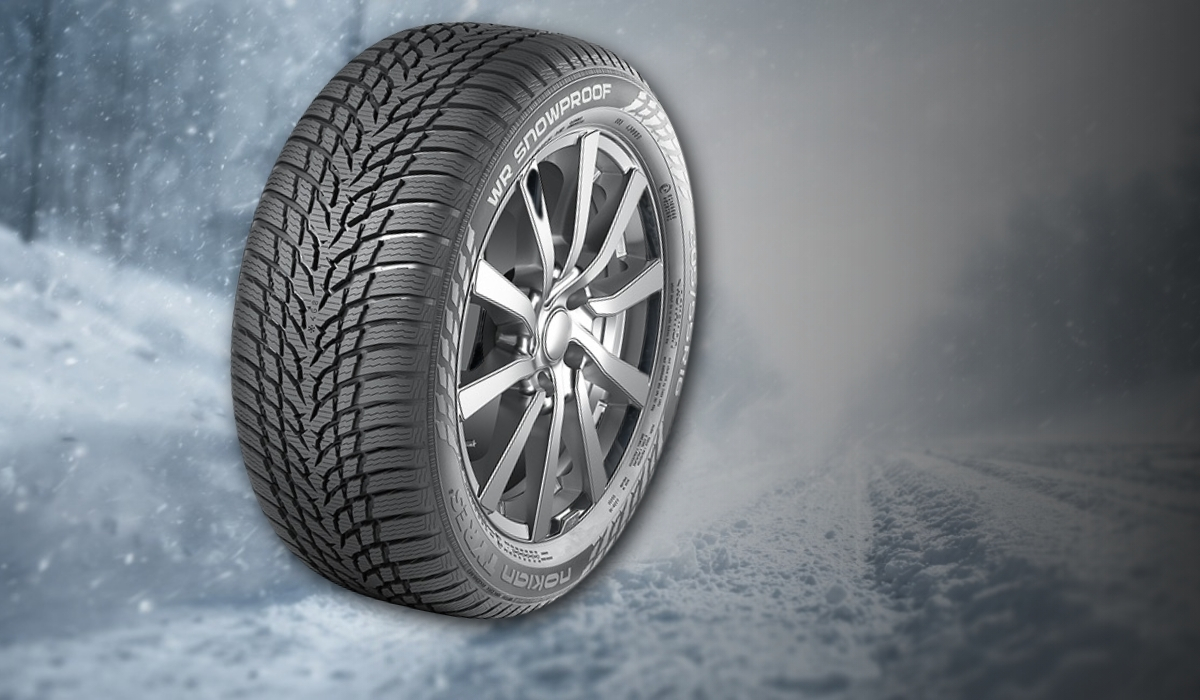
Severe winter expertise shapes Nokian’s tire development.
Hakkapeliitta R5 targets studless traction in extreme cold, while Hakkapeliitta 10 supports studded use where regulations permit and ice coverage remains constant.
Braking performance across multiple surfaces reflects this cold-weather focus.
- Dry braking ranked first at 45.3 meters
- Wet braking ranked first at 37.7 meters
- Ice braking measured 8.41 meters on R5
Efficiency and refinement remain competitive.
Rolling resistance placed second at 7.48 kg per ton, while comfort again reached a 10 out of 10 score.
EV and SUV-specific versions increase load capacity and preserve driving range, while dual-stud technology on Hakkapeliitta 10 maximizes grip on polished ice.
4. Michelin
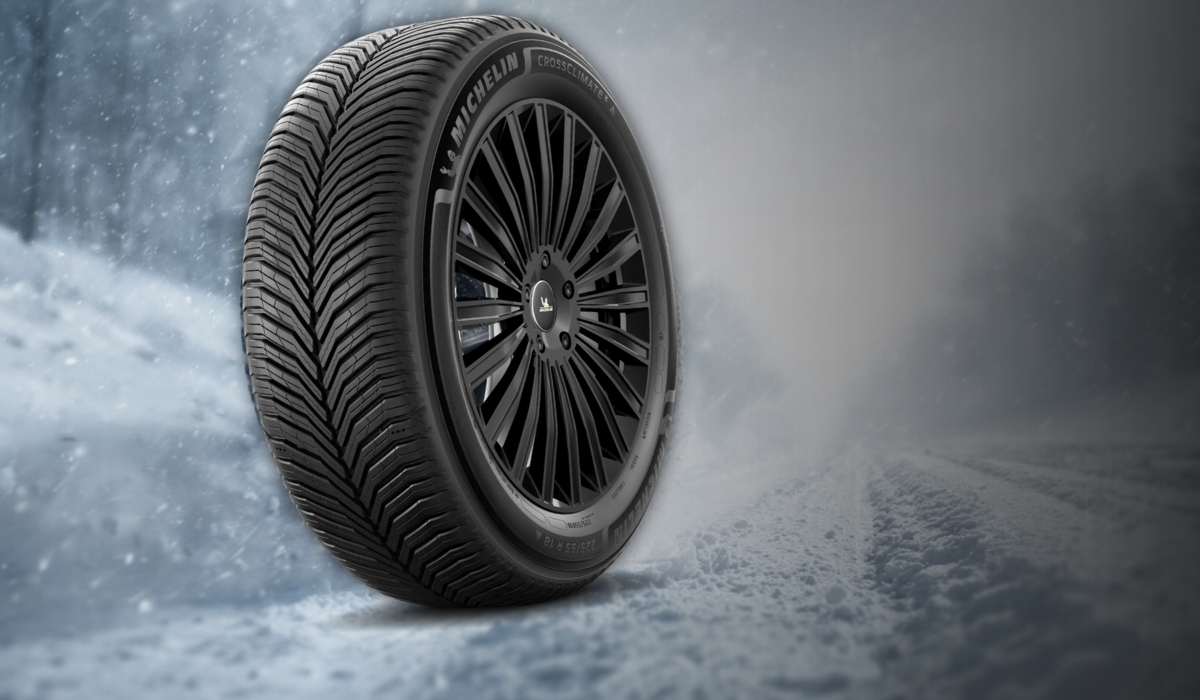
Ice control anchors Michelin winter performance.
X-Ice Snow prioritizes straight-line stability and stopping power on frozen surfaces, targeting regions where ice coverage dominates winter road conditions.
- Ice braking ranked first at 6.97 meters
- Ice traction ranked first at 6.46 seconds
- Snow braking tied for second at 16.67 meters
Wet handling ranked last during testing, reflecting design trade-offs favoring ice traction over wet responsiveness.
Micro-pump tread technology and Flex-Ice compound improve surface adhesion while supporting fuel efficiency.
Long tread life adds value for drivers covering high winter mileage.
5. Pirelli
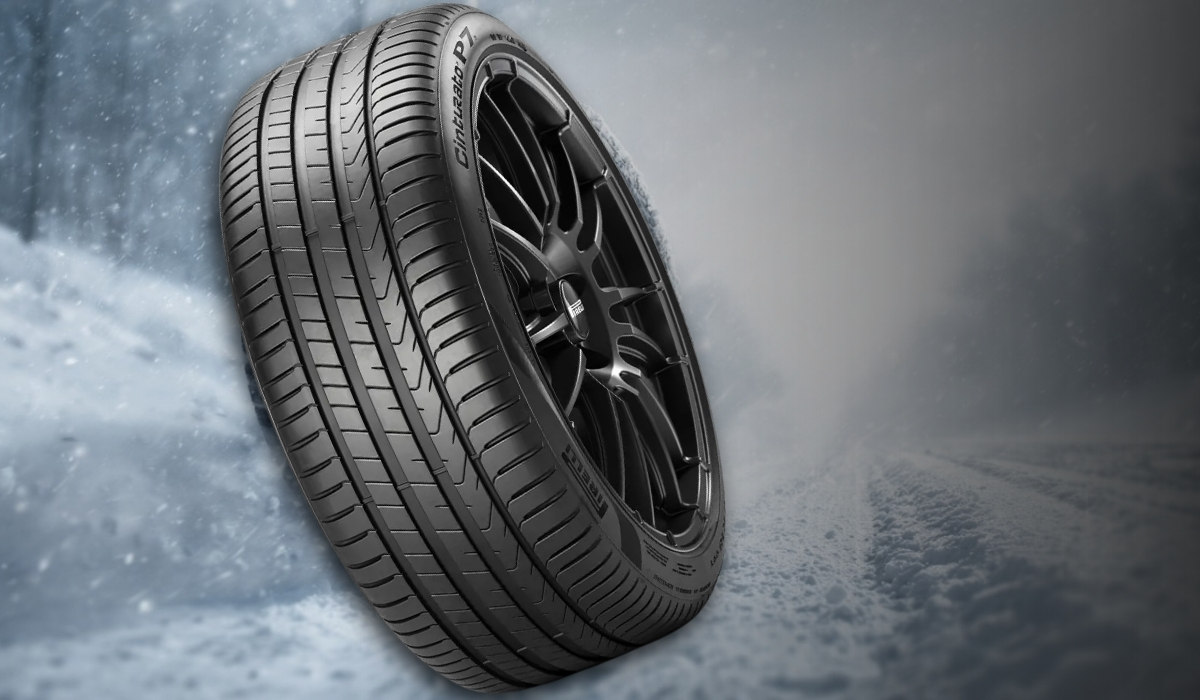
High-performance winter driving shapes Pirelli’s winter lineup.
P Zero Winter and Winter Sottozero 3 support sports sedans and performance-oriented vehicles operating in cold climates.
Construction details support stability and steering precision under load.
- 3D siping to stabilize tread blocks during cornering
- Extra Load Tire construction for high-speed winter use
- Tread patterns tuned for controlled response on cold pavement
Drivers prioritizing steering feedback and stability during the winter months gain confidence without sacrificing performance character.
6. Dunlop
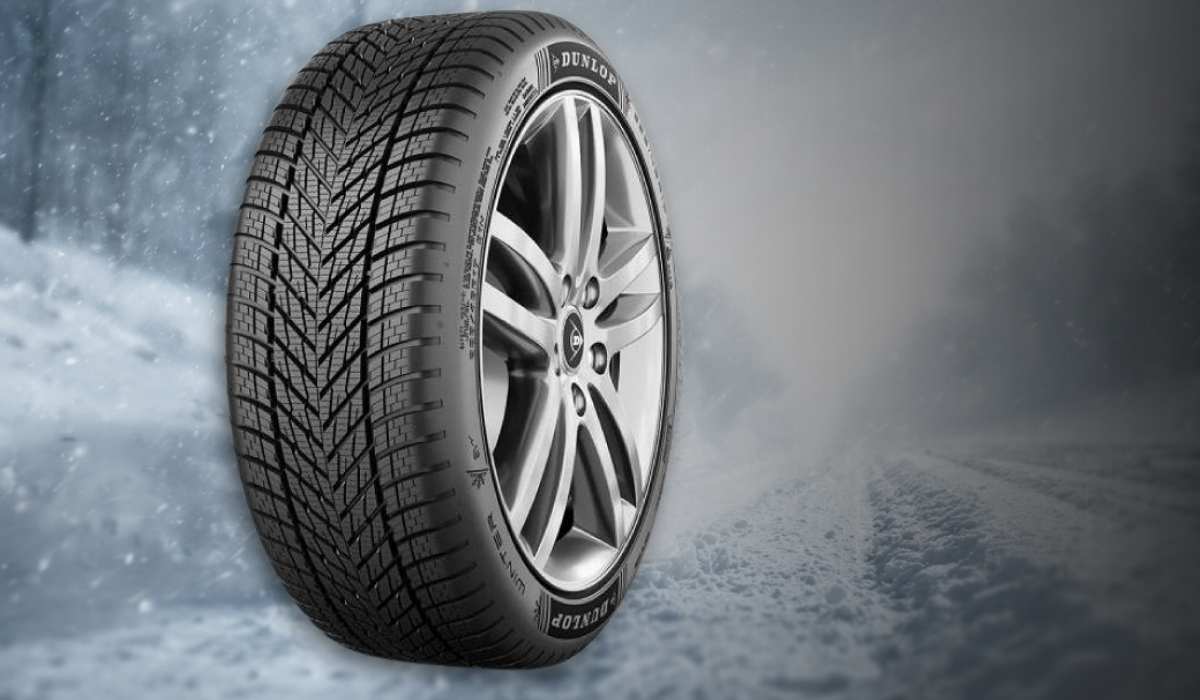
Affordability and functional traction define Dunlop Winter Maxx 2. Design choices focus on snow and ice grip without premium pricing or unnecessary complexity.
Performance characteristics align well with moderate winter environments.
- Maxx Shape Edge sipes enhance grip on snow and ice
- Capability suited for light to moderate winter regions
- Pricing begins around 79 dollars per tire
Cost-conscious drivers gain dependable winter traction while maintaining acceptable ride comfort and braking performance.
7. Toyo and Falken
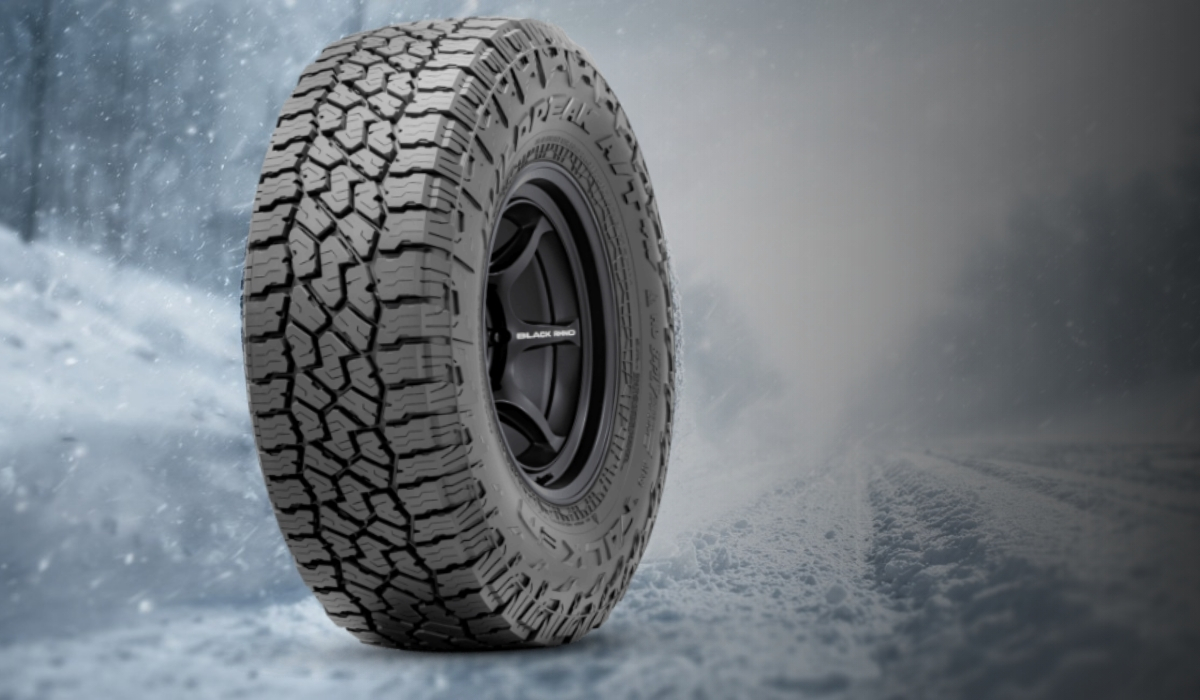
Studless versatility connects Toyo and Falken offerings, emphasizing quiet operation and balanced control.
Observe GSi-6 uses Microbit technology to enhance ice traction while maintaining low rolling resistance and effective slush evacuation.
Winterpeak F-Ice 1 complements this approach through compound tuning and tread stability.
- High-silica compound improving cold-weather flexibility
- Quiet operation across varied winter surfaces
- Stable handling for SUVs and passenger vehicles
Comfort-focused drivers seeking predictable winter control without studs benefit most across mixed driving conditions.
Winter Tires vs. All-Season Tires
Cold temperatures fundamentally change how tires behave.
Rubber chemistry, tread geometry, and surface contact all shift once pavement temperatures fall near freezing.
Performance gaps between winter tires and all-season tires become measurable and consistent under these conditions.
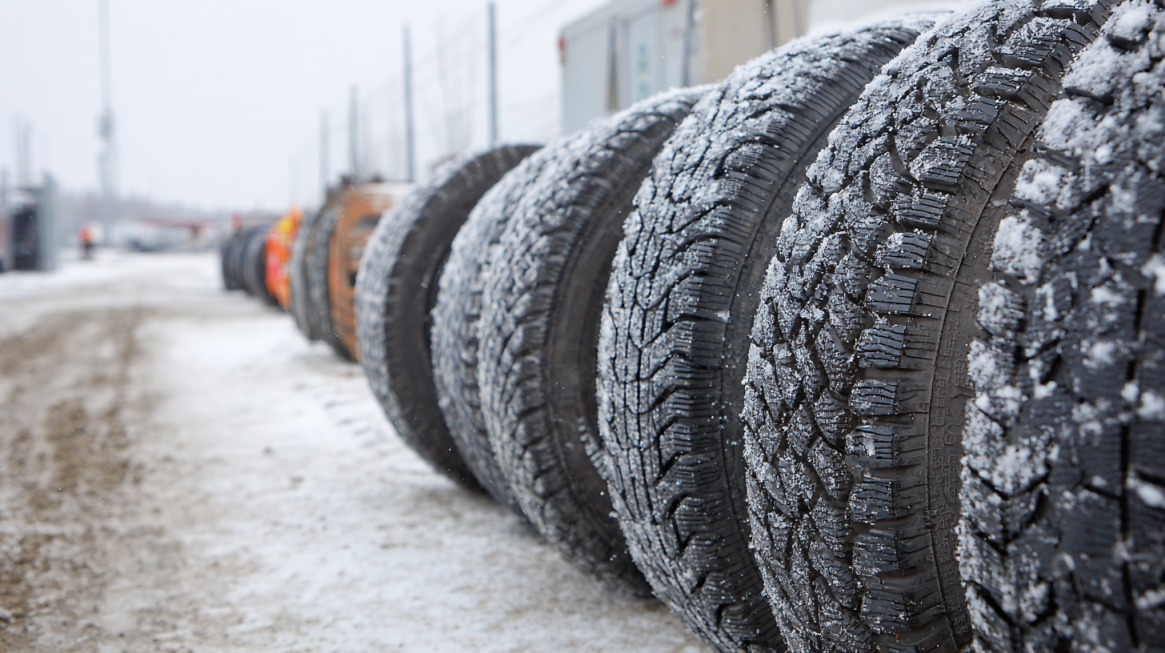
What are the Key Differences?
Winter tires are engineered to remain pliable in freezing weather.
Rubber compounds stay flexible below 44°F or 7°C, allowing tread blocks to conform to uneven snow and ice surfaces.
Deep tread channels evacuate slush efficiently, while dense 3D siping creates thousands of additional biting edges that lock onto snow crystals and ice textures.
Certified winter performance is confirmed through visible markings that indicate compliance with strict traction standards.
- Deep, open tread patterns designed to pack and release snow
- Multi-angle 3D sipes that maintain block stability while increasing grip
- Rubber compounds tested for elasticity in sustained cold conditions
- Three-Peak Mountain Snowflake certification for verified winter traction
All-season tires prioritize temperature versatility rather than cold specialization. Rubber compounds are optimized for moderate climates, which causes hardening as temperatures drop.
Stiff tread blocks reduce surface contact on slick roads, while shallower grooves struggle to move packed snow or slush.
- Reduced flexibility once temperatures approach freezing
- Shallower tread depth that fills quickly with snow
- Less aggressive siping that limits ice traction
- M+S labeling that does not require formal winter testing
Performance Differences
Objective testing highlights how design differences translate directly into real-world results. Ice braking data reveals one of the most critical safety gaps.
Winter tires stop in approximately seven meters under controlled conditions. Goodyear UltraGrip Ice 3 recorded a stopping distance of 7.29 meters.
Comparable all-season tires typically require between 11 and 13 meters on the same surface.
Acceleration on snow further demonstrates traction advantages. Winter tires consistently deliver faster launch times due to flexible tread blocks and aggressive siping.
- 0 to 20 km/h acceleration in roughly 3.0 seconds for Continental winter models
- Acceleration times exceeding five seconds for typical all-season tires
Wet braking also favors winter tires designed for cold environments. Continental TS 870 achieved a wet braking distance of 33.4 meters, outperforming many all-season alternatives once temperatures drop.
Comfort and efficiency metrics show similar separation. Nokian R5 and Goodyear UltraGrip Ice 3 both received comfort scores of 10 out of 10, reflecting reduced vibration and stable road feel on cold pavement.
Rolling resistance improvements have narrowed efficiency gaps as well.
Continental VikingContact 8 posted best-in-class rolling resistance at 7.29 kg per ton, supporting fuel savings even in winter use.
When to Choose
Climate patterns and driving habits determine tire suitability more than vehicle type alone. Winter tires provide clear advantages in regions where winter conditions persist for extended periods.
- Frequent snowfall or recurring ice formation
- Prolonged sub-freezing temperatures
- Secondary roads that receive delayed snow removal
All-season tires remain practical in milder regions. Drivers who experience occasional light snow or park vehicles during severe weather may find adequate performance without seasonal tire changes.
The Bottom Line
Continental VikingContact 8 delivers the best overall winter performance. Michelin X-Ice Snow leads ice control. Goodyear UltraGrip Ice 3 balances comfort with snow grip. Dunlop Winter Maxx 2 remains the strongest budget option.
Final tire selection should match local winter conditions, vehicle type, and driving priorities rather than brand recognition alone.